
Insomnia and Fragmentation pattern
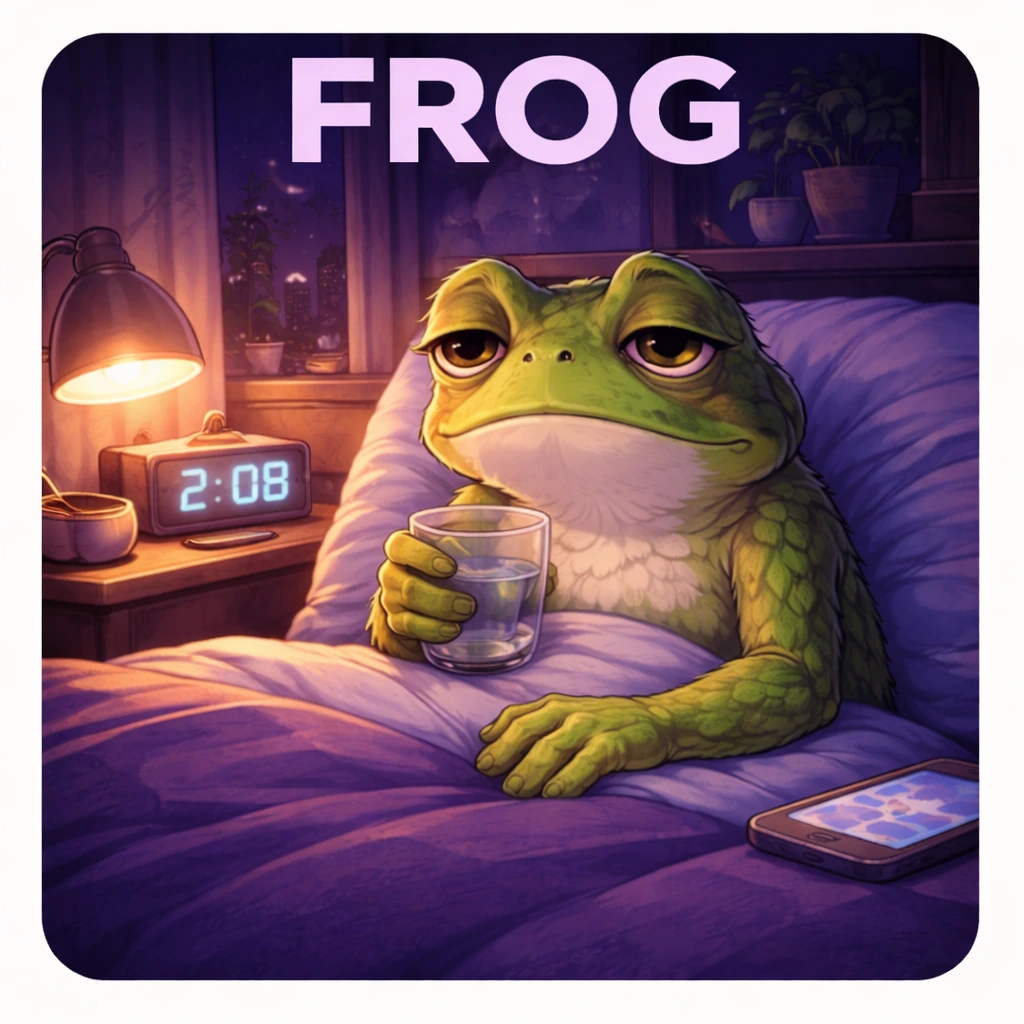
Frog: 2 AM Waker
Falling asleep may not be the problem. Staying asleep is.
The dominant signal is usually difficulty initiating or maintaining sleep, plus a nervous system that remains too activated too close to bedtime.
Start here
Turn this into a practical next step
Pick one small action, then check the pattern over several nights. You do not need to solve everything at once.
Interpretation
What this pattern means
Falling asleep may not be the problem. Staying asleep is. [1] [2]
This pattern is characterized by bedtime activation and fragile continuity. If your body is tired but your mind still behaves like the workday is not over, the goal is to reduce what keeps the night effortful. A useful next step is usually a steadier rise time, less bedtime problem-solving, and a clearer wind-down that helps the nervous system stop scanning for the next demand. Feeling used to a short sleep schedule does not always mean attention, mood, and reaction time have recovered. [3] [4] [5]
Actigraphy papers keep showing how much you learn when timing, duration, and fragmentation are tracked over enough nights to reveal the real pattern. Strategic naps can restore more than people expect when the alternative is trying to grind through a biologically low period. That is where SleepSpace becomes more useful than a static score alone: it can help you see the pattern more clearly and, when appropriate, respond in real time with sound and light changes while the night is still unfolding. [6]
In real life: A 2 a.m. waking can be a normal brief arousal that becomes a full wake-up when the mind starts checking the time and rehearsing the day. Keep the response boring, dark, and consistent.
What this often looks like
Common signals in real life
- Bedtime feels effortful even when the body is tired.
- The night is often broken by a mind that stays active, anticipatory worry, or light staying asleep.
- Next-day fatigue can coexist with a nervous system that still feels accelerated.
- A structured routine often works better than trying harder to sleep.
Why this page exists
What makes Frog distinct
This cluster works best when the page explains not only that sleep is difficult, but why generic advice often fails when the real problem is a mind and body that stay switched on, stress reactivity, or a fragile transition into sleep.
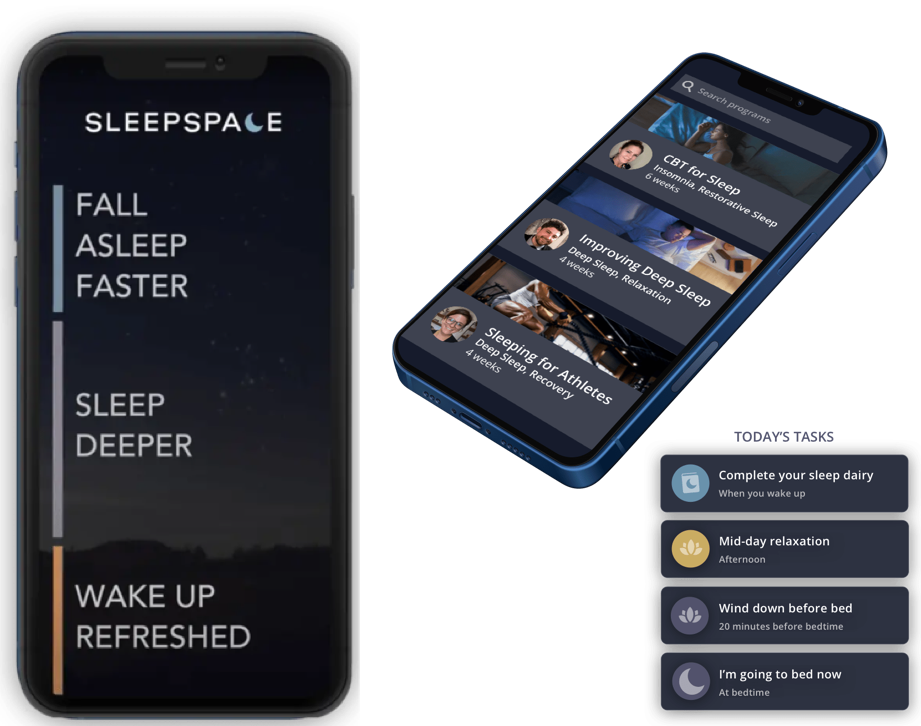
Train your nights to become more continuous. SleepSpace can help with schedule tuning, relaxation tools for middle-of-the-night wakefulness, and personalized insights from your diary.
Scientific read
The strongest insomnia papers repeatedly point to a system that stays too activated too close to bedtime. That activation can be cognitive, emotional, physical, or all three at once. Behavioral conditioning becomes the next layer. Once the bed gets linked with trying, monitoring, frustration, or mental rehearsal, the night can start reinforcing itself in the wrong direction. The digital treatment literature matters here because structured routines, stimulus control, and cognitive unloading can improve a rough night without turning sleep into a performance test. The broader message is that the bottleneck is usually not weakness. It is a nervous system that still feels too on duty when the night needs it to let go. [7] [10] [13] [16] [19]
Stress-sensitive sleepers also tend to notice that one hard day can change the entire night. That is not random; it is one of the most repeatable patterns in this literature. The most useful insomnia papers do not frame you as weak or undisciplined. They frame the night as over-activated, over-monitored, and too easy to accidentally train in the wrong direction. That is why structured wind-downs, stimulus control, and calmer pre-sleep routines keep showing up as practical leverage points instead of generic lifestyle advice. Timing matters more than force here: the same tool can help or backfire depending on when it is used. [8] [11] [14] [17] [20]
The night can become self-reinforcing when the bed turns into a place for monitoring, rehearsing, and trying too hard. Actigraphy papers keep showing how much you learn when timing, duration, and fragmentation are tracked over enough nights to reveal the real pattern. The pattern here is less about not being tired and more about carrying too much activation too far into the night. Some of the most interesting work in this area suggests the sleeping brain is still actively strengthening what matters and clearing what does not. [9] [12] [15] [18]
Tracking and wearables
What data often helps separate this pattern from nearby ones
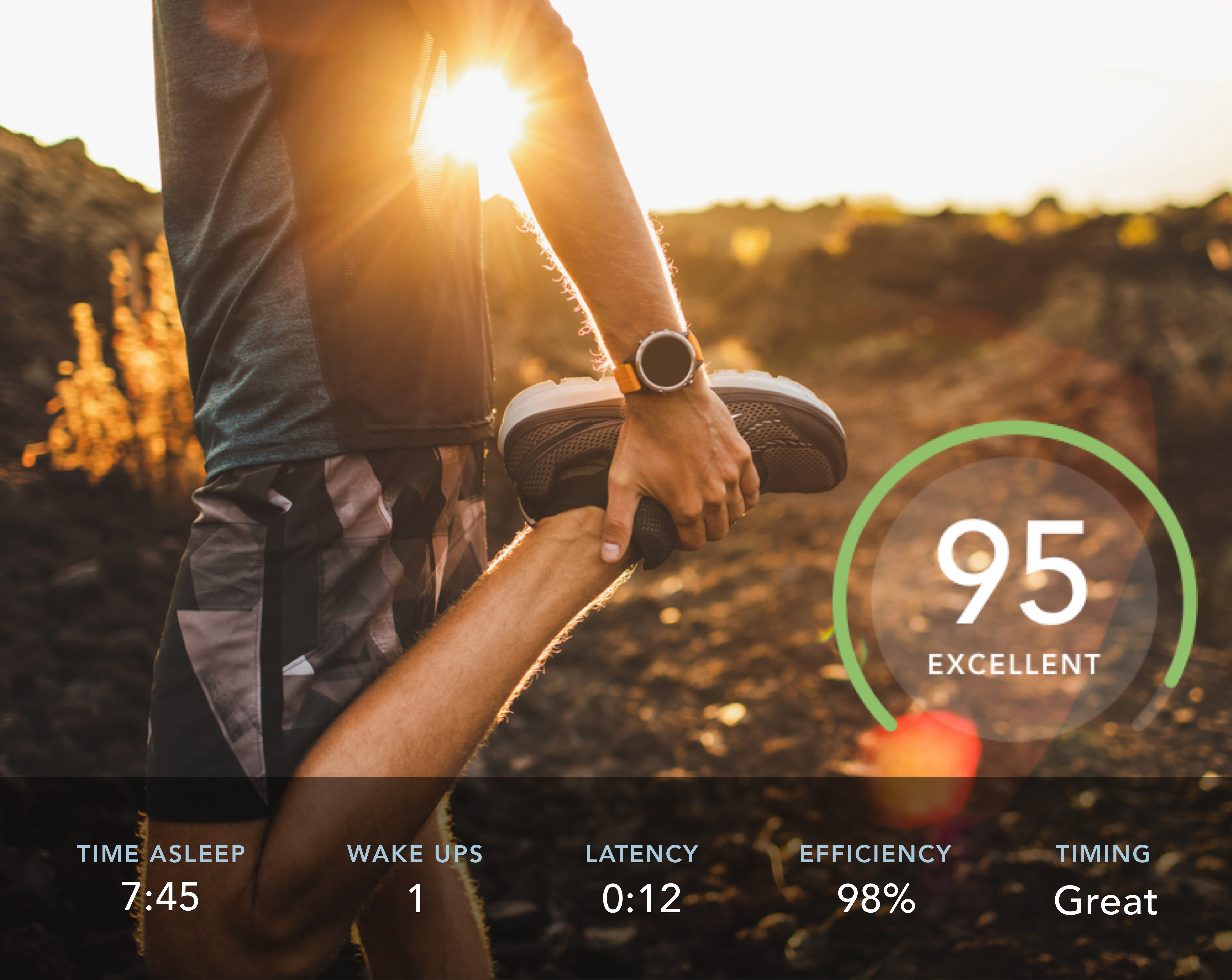
For this cluster, a useful tracking set usually includes bedtime regularity, sleep latency, overnight wake duration, and whether the night gets worse when stress or cognitive load spikes. Wearables can add trend context, but the diary remains central because much of the pattern depends on the subjective experience of effortful sleep.
Compare several nights with different stress levels, routines, and time awake in bed. A wearable can show a trend; your diary explains what changed. [11] [12]

SleepSpace app features
Use these tools if you want to improve this pattern instead of just reading about it
Start with the assessment, download the app, and use the features below to turn this sleep animal into a practical plan.
SleepSpace feature
Sleep assessment
Start here if you want a clearer read on your sleep animal, your main bottlenecks, and what to work on first.
Learn how to use it
SleepSpace feature
Sleep diary
Use the diary to catch patterns in timing, awakenings, stress, recovery, and what actually changed from one night to the next.
Learn how to use it
SleepSpace feature
Weekly sleep stats
Use weekly trends to see whether you are actually improving instead of judging everything from one rough night.
Learn how to use it
SleepSpace resources
SleepSpace resources that fit this pattern
Use these practical guides and tools to understand this sleep pattern and choose a useful next step.
SleepSpace article
SleepSpace learning hub
A broad SleepSpace article library that can serve as the hub resource on every page.
SleepSpace article
SleepSpace science page
Useful when the page needs a product-adjacent evidence destination.
SleepSpace article
SleepSpace program based on CBT-I
Useful for insomnia-heavy pages where the next step logic is behavioral.
SleepSpace article
Sound masking guide
Useful for noise, partner, and light-sleeper pages.
FAQ
Questions Dr. Dan would expect about this animal
Quick answers to the questions people usually ask when this sleep pattern feels familiar.
What does the Frog sleep animal mean?
Your nights tend to break in the middle. You may wake for stretches, feel alert too early, or find yourself stuck awake after a brief interruption. That pattern can quietly drain recovery even if bedtime looks decent on paper. Your best path forward is usually about reducing awakenings and making it easier to settle back down. What matters most is teaching the night to feel continuous again instead of something you have to restart over and over. Sleep can be shaped by schedule, stress load, sleep environment, body signals, and what happens the following day. Looking for repeatable changes across several nights makes it easier to identify a useful next step.
What should you track if this frog pattern sounds like you?
For this cluster, a useful tracking set usually includes bedtime regularity, sleep latency, overnight wake duration, and whether the night gets worse when stress or cognitive load spikes. Wearables can add trend context, but the diary remains central because much of the pattern depends on the subjective experience of effortful sleep. Start with the SleepSpace sleep assessment and then use the app to watch what happens to timing, continuity, symptoms, and next-day recovery over time.
When should you get extra help for frog-style sleep problems?
If this pattern is getting more intense, affecting safety, or leaving you persistently exhausted, treat this page as educational and talk with a doctor or sleep specialist. SleepSpace can help you organize the pattern, but medical concerns still deserve medical care.
Important note
Reconnect the broken parts of your night
The pattern language is educational and pattern-based. It becomes most useful when paired with trend data, practical experimentation, and medical follow-up when symptoms are severe, persistent, or safety-relevant.
SleepSpace helps you reduce wakeups, lower nighttime arousal, and rebuild more continuous sleep.
Research references
Research behind these sleep insights
Show citations (20)
- Gottlieb et al. (2006). Association of usual sleep duration with hypertension: the Sleep Heart Health Study.
Feeling used to a short sleep schedule does not always mean attention, mood, and reaction time have recovered.
Full article - Nahmod et al. (2018). Later high school start times associated with longer actigraphic sleep duration in adolescents.
Actigraphy papers keep showing how much you learn when timing, duration, and fragmentation are tracked over enough nights to reveal the real pattern.
Full article - Monane et al. (1992). Insomnia in the elderly.
Strategic naps can restore more than people expect when the alternative is trying to grind through a biologically low period.
Full article - Busby et al. (1994). Ontogenetic variations in auditory arousal threshold during sleep.
Deep sleep is not just about logging enough hours; it is where the night often becomes truly restorative.
Full article - Burgard et al. (2009). Putting work to bed: stressful experiences on the job and sleep quality.
The pattern here is less about not being tired and more about carrying too much activation too far into the night.
Full article - Bastien et al. (2009). Sleep spindles in chronic psychophysicalal insomnia.
The night can become self-reinforcing when the bed turns into a place for monitoring, rehearsing, and trying too hard.
Full article - Aeschbach et al. (2009). Use of transdermal melatonin delivery to improve sleep maintenance during daytime.
Timing matters more than force here: the same tool can help or backfire depending on when it is used.
Full article - Voyer et al. (2006). Prevalence of insomnia and its associated factors in elderly long-term care residents.
The night can become self-reinforcing when the bed turns into a place for monitoring, rehearsing, and trying too hard.
Full article - Troxel et al. (2010). Does social support differentially affect sleep in older adults with versus without insomnia?.
Actigraphy papers keep showing how much you learn when timing, duration, and fragmentation are tracked over enough nights to reveal the real pattern.
Full article - Alomri et al. (2021). Association between nocturnal activity of the sympathetic nervous system and cognitive dysfunction in obstructive sleep apnoea.
This review is useful because the pattern here is less about not being tired and more about carrying too much activation too far into the night.
Full article - Levenson et al. (2017). Hypertension with unsatisfactory sleep health (HUSH): study protocol for a randomized controlled trial.
This trial is especially relevant because the night can become self-reinforcing when the bed turns into a place for monitoring, rehearsing, and trying too hard.
Full article - Reynolds et al. (1985). EEG sleep in elderly depressed, demented, and healthy subjects.
Some of the most interesting work in this area suggests the sleeping brain is still actively strengthening what matters and clearing what does not.
Full article - Meltzer et al. (2013). The Children's Report of Sleep Patterns (CRSP): a self-report measure of sleep for school-aged children.
Actigraphy papers keep showing how much you learn when timing, duration, and fragmentation are tracked over enough nights to reveal the real pattern.
Full article - Bauducco et al. (2024). A bidirectional model of sleep and technology use: A theoretical review of How much, for whom, and which mechanisms.
This review is useful because the pattern here is less about not being tired and more about carrying too much activation too far into the night.
Full article - Tec et al. (1981). Depression and jet lag.
Deep sleep is not just about logging enough hours; it is where the night often becomes truly restorative.
Full article - Sateia et al. (2000). Evaluation of chronic insomnia. An American Academy of Sleep Medicine review.
This review is useful because the night can become self-reinforcing when the bed turns into a place for monitoring, rehearsing, and trying too hard.
Full article - Zammit et al. (2004). Efficacy and safety of eszopiclone across 6-weeks of treatment for primary insomnia.
This trial is especially relevant because the night can become self-reinforcing when the bed turns into a place for monitoring, rehearsing, and trying too hard.
Full article - Ferri et al. (2010). The effects of experimental sleep fragmentation on cognitive processing.
Deep sleep is not just about logging enough hours; it is where the night often becomes truly restorative.
Full article - Nivison et al. (1993). An analysis of relationships among environmental noise, annoyance and sensitivity to noise, and the consequences for health and sleep.
The room itself can become the bottleneck when sound or unpredictability keeps the nervous system slightly on guard.
Full article - Punjabi et al. (2009). Do sleep disorders and associated treatments impact glucose metabolism?.
This trial is especially relevant because the night can become self-reinforcing when the bed turns into a place for monitoring, rehearsing, and trying too hard.
Full article
Nearby profiles
Other animals in the same neighborhood

Related animal
Cheetah
High-Performance Insomniac
Your brain runs at full speed, even when your body is ready for bed.

Related animal
Cat
Napper Rebounder
Your system is trying to recover wherever it can.
Related animal
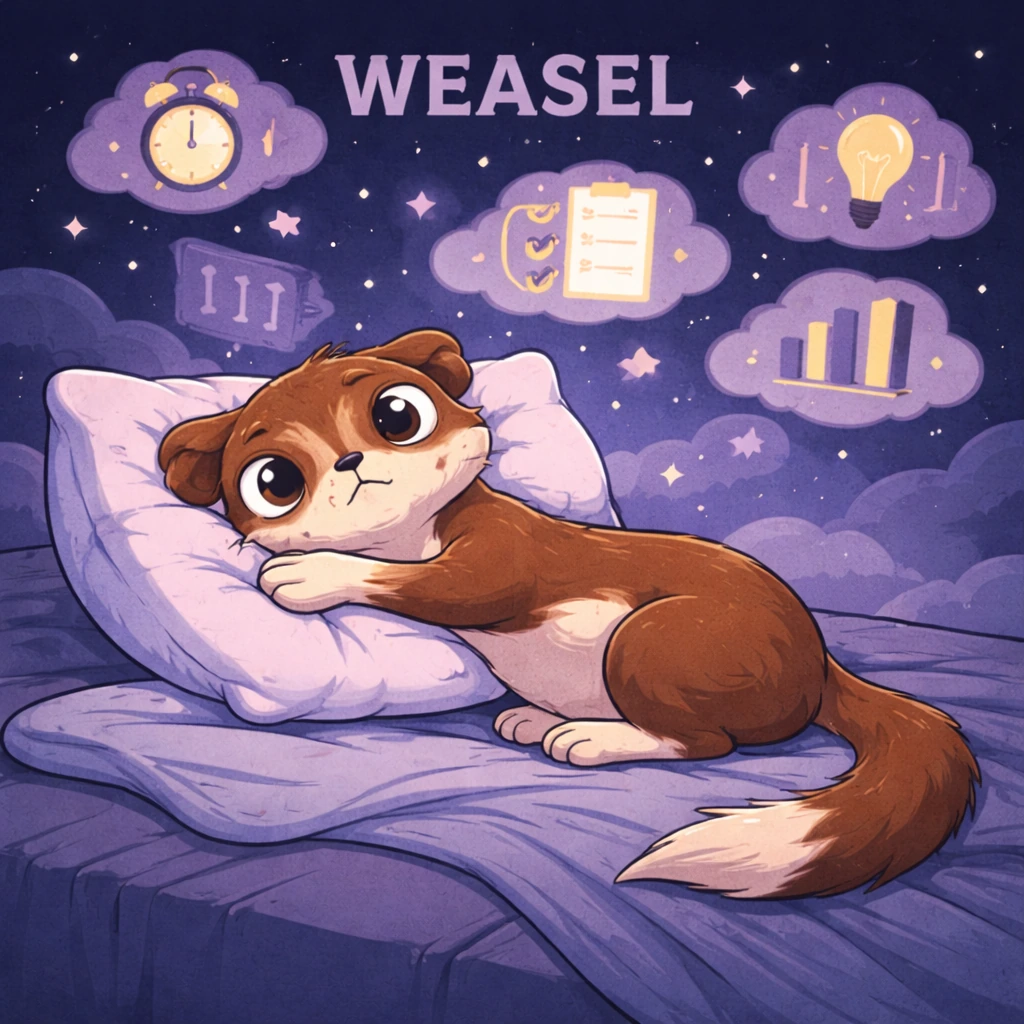
Weasel
Fragmented Ruminator
Your sleep keeps getting interrupted by a mind that reopens the day.