Insomnia and Fragmentation pattern
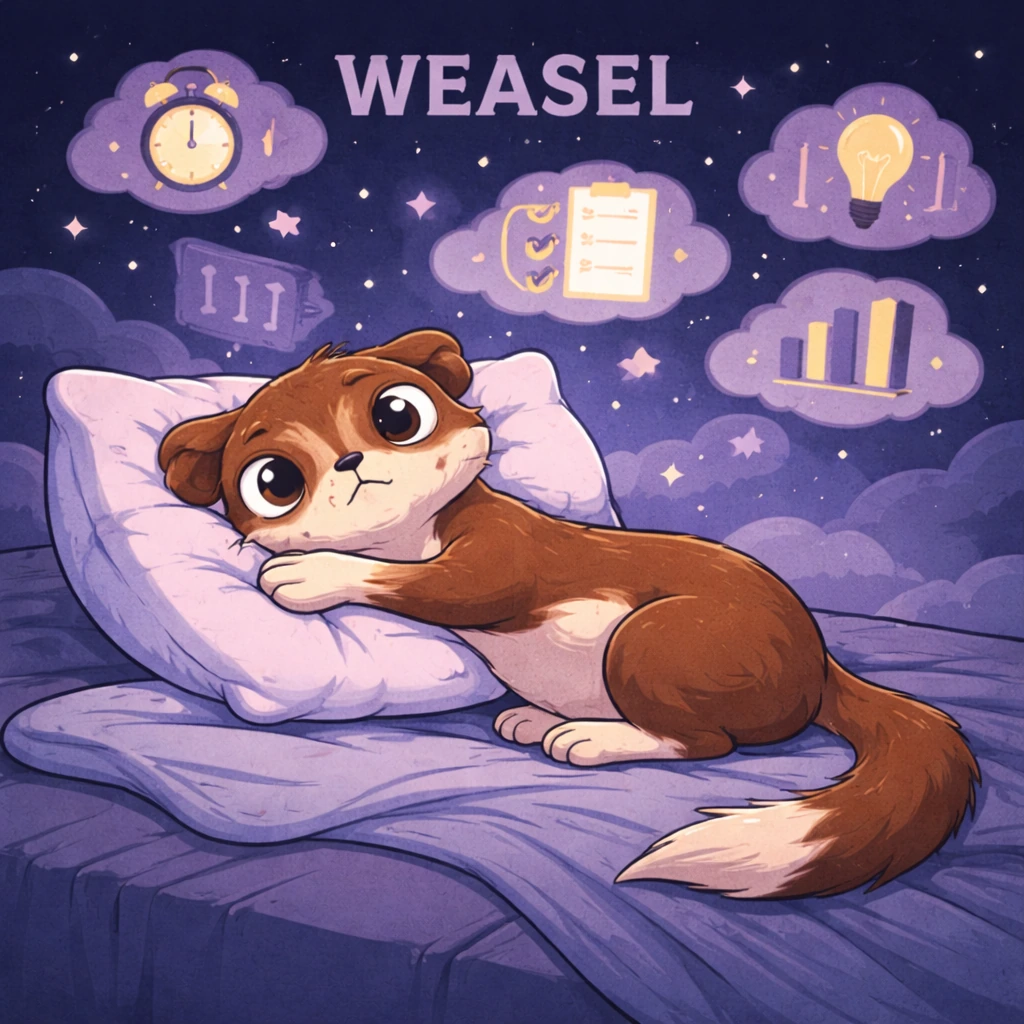
Weasel: Fragmented Ruminator
Your sleep keeps getting interrupted by a mind that reopens the day.
The dominant signal is usually difficulty initiating or maintaining sleep, plus a nervous system that remains too activated too close to bedtime.
Start here
Turn this into a practical next step
Pick one small action, then check the pattern over several nights. You do not need to solve everything at once.
Interpretation
How to read this pattern
Your sleep keeps getting interrupted by a mind that reopens the day. [1] [2]
Read this pattern as a pattern of bedtime activation and fragile continuity. If your body is tired but your mind still behaves like the workday is not over, the goal is to reduce what keeps the night effortful. A useful next step is usually a steadier rise time, less bedtime problem-solving, and a clearer wind-down that helps the nervous system stop scanning for the next demand. The night can become self-reinforcing when the bed turns into a place for monitoring, rehearsing, and trying too hard. [3] [4] [5]
The insomnia treatment literature is most interesting when it shows that the win often comes from retraining the night, not from trying harder to force sleep. That is where SleepSpace becomes more useful than a static score alone: it can help you see the pattern more clearly and, when appropriate, respond in real time with sound and light changes while the night is still unfolding. [6]
What this often looks like
Common signals in real life
- Your sleep keeps getting interrupted by a mind that reopens the day.
- Bedtime feels effortful even when the body is tired.
- The night is often broken by a mind that stays active, anticipatory worry, or light staying asleep.
- Next-day fatigue can coexist with a nervous system that still feels accelerated.
- A structured routine often works better than trying harder to sleep.
Why this page exists
What makes Weasel distinct
This cluster works best when the page explains not only that sleep is difficult, but why generic advice often fails when the real problem is a mind and body that stay switched on, stress reactivity, or a fragile transition into sleep.
Target both continuity and mental quieting. SleepSpace can help with middle-of-the-night audio, schedule stability, and structured thought-offloading.
Scientific read
The strongest insomnia papers repeatedly point to a system that stays too activated too close to bedtime. That activation can be cognitive, emotional, physical, or all three at once. Behavioral conditioning becomes the next layer. Once the bed gets linked with trying, monitoring, frustration, or mental rehearsal, the night can start reinforcing itself in the wrong direction. The digital treatment literature matters here because structured routines, stimulus control, and cognitive unloading can improve a rough night without turning sleep into a performance test. The broader message is that the bottleneck is usually not weakness. It is a nervous system that still feels too on duty when the night needs it to let go. [7] [10] [13] [16] [19]
Stress-sensitive sleepers also tend to notice that one hard day can change the entire night. That is not random; it is one of the most repeatable patterns in this literature. The most useful insomnia papers do not frame you as weak or undisciplined. They frame the night as over-activated, over-monitored, and too easy to accidentally train in the wrong direction. That is why structured wind-downs, stimulus control, and calmer pre-sleep routines keep showing up as practical leverage points instead of generic lifestyle advice. Actigraphy papers keep showing how much you learn when timing, duration, and fragmentation are tracked over enough nights to reveal the real pattern. [8] [11] [14] [17] [20]
The night can become self-reinforcing when the bed turns into a place for monitoring, rehearsing, and trying too hard. The pattern here is less about not being tired and more about carrying too much activation too far into the night. The insomnia treatment literature is most interesting when it shows that the win often comes from retraining the night, not from trying harder to force sleep. A recurring finding in the sleep-loss literature is that people feel more adapted than their attention, mood, and reaction time really are. [9] [12] [15] [18]
Tracking and wearables
What data often helps separate this pattern from nearby ones
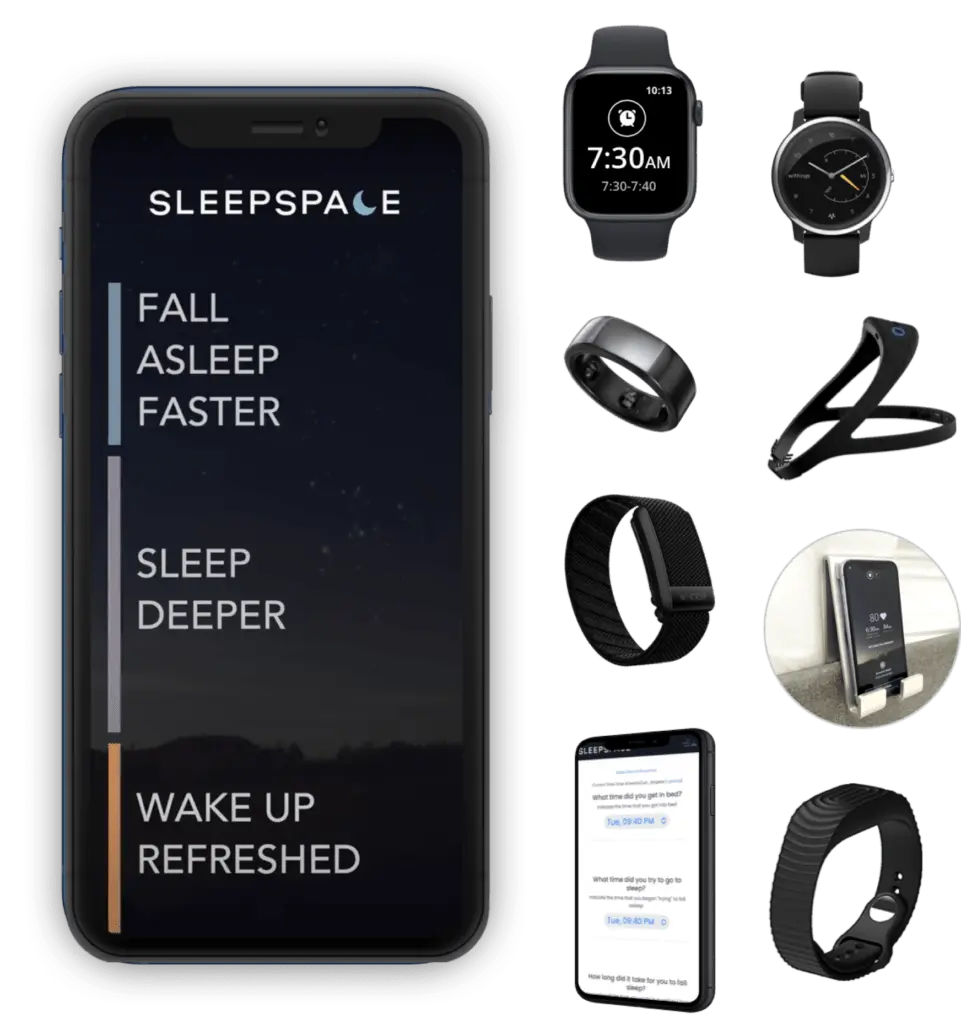
For this cluster, a useful tracking set usually includes bedtime regularity, sleep latency, overnight wake duration, and whether the night gets worse when stress or cognitive load spikes. Wearables can add trend context, but the diary remains central because much of the pattern depends on the subjective experience of effortful sleep.
SleepSpace's own tracking and wearables articles are especially relevant for these pages because they reinforce the difference between a one-night impression and an interpretable pattern. That is useful for every pattern, but it becomes essential when the mechanism changes with context. [11] [12]

SleepSpace app features
Use these tools if you want to improve this pattern instead of just reading about it
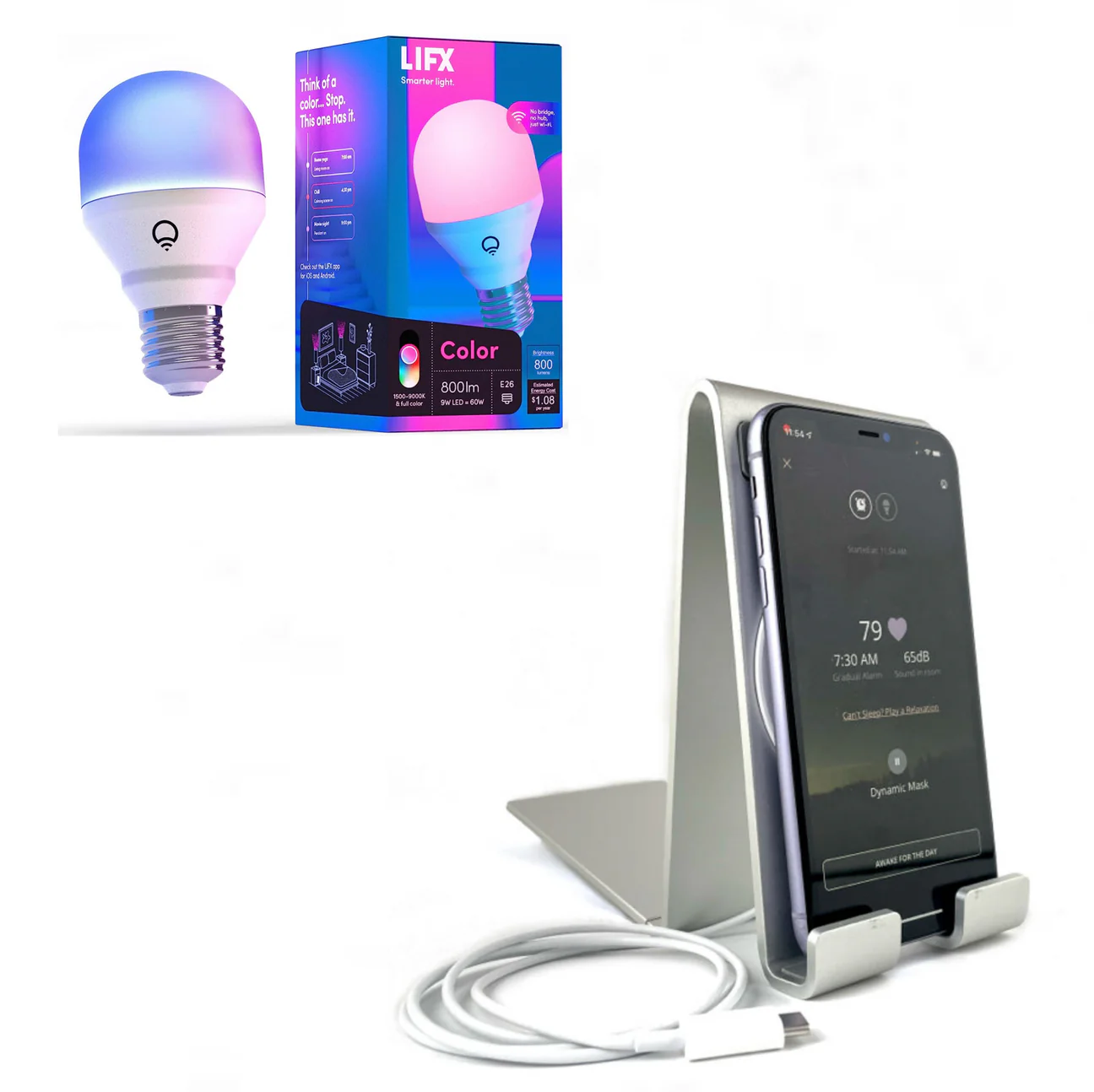
Start with the assessment, download the app, and use the features below to turn this sleep animal into a practical plan.

SleepSpace feature
Sleep assessment
Start here if you want a clearer read on your sleep animal, your main bottlenecks, and what to work on first.
Learn how to use it
SleepSpace feature
Sleep diary
Use the diary to catch patterns in timing, awakenings, stress, recovery, and what actually changed from one night to the next.
Learn how to use it

SleepSpace feature
24/7 sleep support
Use guided support when you need help calming the mind, sticking with the plan, or getting out of a rough stretch faster.
Learn how to use it
SleepSpace resources
SleepSpace resources that fit this pattern
These were selected by spidering SleepSpace topic pages and product resources that match the mechanism cluster behind this animal.
SleepSpace article
SleepSpace learning hub
A broad SleepSpace article library that can serve as the hub resource on every page.
SleepSpace article
SleepSpace science page
Useful when the page needs a product-adjacent evidence destination.
SleepSpace article
SleepSpace program based on CBT-I
Useful for insomnia-heavy pages where the next step logic is behavioral.
SleepSpace article
Sound masking guide
Useful for noise, partner, and light-sleeper pages.
FAQ
Questions Dr. Dan would expect about this animal
Quick answers to the questions people usually ask when this sleep pattern feels familiar.
What does the Weasel sleep animal mean?
This profile blends sleep maintenance difficulty with mental reactivation. You may fall asleep, wake during the night, and then find that thinking rushes back in before sleep does. Nights can feel mentally sticky rather than physically restless. The best path forward is to reduce both nighttime arousal and the number of openings your brain uses to start thinking again. This pattern usually benefits from making the middle of the night feel less cognitively available. This long-form page treats Weasel as a sleep pattern: a memorable wrapper around a recurring pattern that likely clusters across schedule, physiology, stress load, and next-day restoration. The goal is not to claim a formal diagnosis. The goal is to make the likely mechanism more understandable and the next step more obvious. This is educational guidance to help you recognize the pattern, not a medical diagnosis.
What should you track if this weasel pattern sounds like you?
For this cluster, a useful tracking set usually includes bedtime regularity, sleep latency, overnight wake duration, and whether the night gets worse when stress or cognitive load spikes. Wearables can add trend context, but the diary remains central because much of the pattern depends on the subjective experience of effortful sleep. Start with the SleepSpace sleep assessment and then use the app to watch what happens to timing, continuity, symptoms, and next-day recovery over time.
When should you get extra help for weasel-style sleep problems?
If this pattern is getting more intense, affecting safety, or leaving you persistently exhausted, treat this page as educational and talk with a doctor or sleep specialist. SleepSpace can help you organize the pattern, but medical concerns still deserve medical care.
Important note
Close the loops that reopen at 2 AM
The pattern language is educational and pattern-based. It becomes most useful when paired with trend data, practical experimentation, and medical follow-up when symptoms are severe, persistent, or safety-relevant.
Use SleepSpace to reduce overnight reactivation and make it easier to settle back into sleep.
Research references
Selected citations for this page
Show citations (20)
- Knutson et al. (2005). The association between pubertal status and sleep duration and quality among a nationally representative sample of U. S. adolescents.
The night can become self-reinforcing when the bed turns into a place for monitoring, rehearsing, and trying too hard.
Full article - Germain et al. (2021). Enhancing behavioral sleep care with digital technology: study protocol for a hybrid type 3 implementation-effectiveness randomized trial.
This trial is especially relevant because the insomnia treatment literature is most interesting when it shows that the win often comes from retraining the night, not from trying harder to force sleep.
Full article - Qaseem et al. (2016). Management of chronic insomnia disorder in adults: a clinical practice guideline from the American College of Physicians.
The night can become self-reinforcing when the bed turns into a place for monitoring, rehearsing, and trying too hard.
Full article - Meltzer et al. (2012). Use of actigraphy for assessment in pediatric sleep research.
This review is useful because actigraphy papers keep showing how much you learn when timing, duration, and fragmentation are tracked over enough nights to reveal the real pattern.
Full article - Cipolli et al. (2005). Consolidation effect of the processing of declarative knowledge during human sleep: evidence from long-term retention of interrelated contents of mental sleep experiences.
Deep sleep is not just about logging enough hours; it is where the night often becomes truly restorative.
Full article - Ancoli-Israel et al. (1999). Characteristics of insomnia in the United States: Results of the 1991 National Sleep Foundation Survey.
The night can become self-reinforcing when the bed turns into a place for monitoring, rehearsing, and trying too hard.
Full article - Alcantara et al. (2016). Sleep Disturbances and Depression in the Multi-Ethnic Study of Atherosclerosis.
Actigraphy papers keep showing how much you learn when timing, duration, and fragmentation are tracked over enough nights to reveal the real pattern.
Full article - Gureje et al. (2011). The natural history of insomnia in the Ibadan study of ageing.
The night can become self-reinforcing when the bed turns into a place for monitoring, rehearsing, and trying too hard.
Full article - Meltzer et al. (2011). Sleep in the family.
This review is useful because the pattern here is less about not being tired and more about carrying too much activation too far into the night.
Full article - Sung et al. (2008). Sleep problems in children with attention-deficit/hyperactivity disorder: prevalence and the effect on the child and family.
The pattern here is less about not being tired and more about carrying too much activation too far into the night.
Full article - Smagula et al. (2013). Sleep Architecture and Mental Health Among Community-Dwelling Older Men.
The pattern here is less about not being tired and more about carrying too much activation too far into the night.
Full article - Buysse et al. (2013). Insomnia.
This review is useful because the insomnia treatment literature is most interesting when it shows that the win often comes from retraining the night, not from trying harder to force sleep.
Full article - McCall et al. (2012). Comparison of actigraphy with polysomnography and sleep logs in depressed insomniacs.
Actigraphy papers keep showing how much you learn when timing, duration, and fragmentation are tracked over enough nights to reveal the real pattern.
Full article - Cox et al. (2016). A systematic review of sleep disturbance in anxiety and related disorders.
This review is useful because the pattern here is less about not being tired and more about carrying too much activation too far into the night.
Full article - Harper et al. (2013). Energetic and cell membrane metabolic products in patients with primary insomnia: a 31-phosphorus magnetic resonance spectroscopy study at 4 tesla.
Actigraphy papers keep showing how much you learn when timing, duration, and fragmentation are tracked over enough nights to reveal the real pattern.
Full article - Balbo et al. (2010). Impact of sleep and its disturbances on hypothalamo-pituitary-adrenal axis activity.
A recurring finding in the sleep-loss literature is that people feel more adapted than their attention, mood, and reaction time really are.
Full article - Gunn et al. (2014). Interpersonal distress is associated with sleep and arousal in insomnia and good sleepers.
The night can become self-reinforcing when the bed turns into a place for monitoring, rehearsing, and trying too hard.
Full article - Tranah et al. (2010). Postmenopausal hormones and sleep quality in the elderly: a population based study.
Actigraphy papers keep showing how much you learn when timing, duration, and fragmentation are tracked over enough nights to reveal the real pattern.
Full article - Kalak et al. (2012). Daily morning running for 3 weeks improved sleep and psychological functioning in healthy adolescents compared with controls.
The pattern here is less about not being tired and more about carrying too much activation too far into the night.
Full article - Ji et al. (2023). Six multidimensional sleep health facets in older adults identified with factor analysis of actigraphy: Results from the Einstein Aging Study.
Actigraphy papers keep showing how much you learn when timing, duration, and fragmentation are tracked over enough nights to reveal the real pattern.
Full article
Nearby profiles