
Neuropsych and Complex sleep pattern
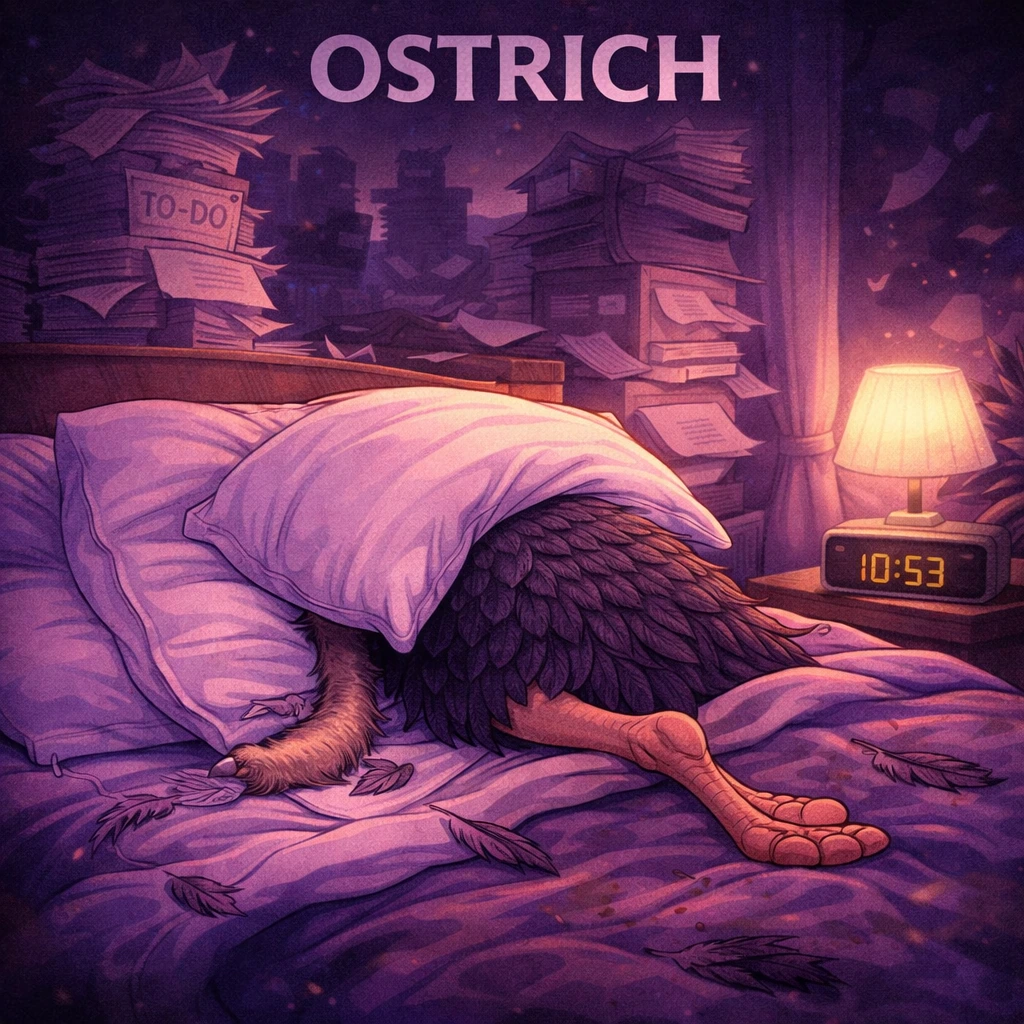
Ostrich: Escape Sleeper
Bedtime may carry enough stress that part of you wants to avoid it.
These animals often live at the edges of sleep: unstable transitions, dream enactment, vivid dream load, sleep paralysis, heavy sleep inertia, or unusual stress sensitivity.
Start here
Turn this into a practical next step
Pick one small action, then check the pattern over several nights. You do not need to solve everything at once.
Interpretation
What this pattern means
Bedtime may carry enough stress that part of you wants to avoid it. [1] [2]
This pattern occurs at the edges of sleep. The night may include vivid dreams, unstable transitions, heavy inertia, paralysis, or unusual sensitivity to stress and sleep loss. The useful move is not to dramatize the experience. It is to make the pattern safer, more trackable, and easier to separate into vividness, instability, and actual risk. The strange parts of sleep still follow patterns, and the useful question is what state transition keeps misfiring. [3] [4] [5]
Strategic naps can restore more than people expect when the alternative is trying to grind through a biologically low period. Deep-sleep papers matter here because they connect restoration to what the brain is doing during the night, not just how long you stayed in bed. That is where SleepSpace becomes more useful than a static score alone: it can help you see the pattern more clearly and, when appropriate, respond in real time with sound and light changes while the night is still unfolding. [6]
In real life: Avoiding sleep because the day feels unfinished can create a painful loop: less sleep makes tomorrow harder, which makes bedtime feel even less safe to surrender. Start with a small boundary, not a dramatic overhaul.
What this often looks like
Common signals in real life
- The unusual part of the night often happens at the transition between sleep, dreaming, and waking.
- Stress, sleep loss, and schedule instability can amplify the pattern even if they do not fully explain it.
- You may describe the night as unsettling, vivid, sticky, or neurologically strange.
- This cluster benefits from both symptom description and careful normalization where appropriate.
Why this page exists
What makes Ostrich distinct
The pages need to be careful, descriptive, and explicit that these are pattern sketches rather than formal diagnoses.
Reduce sleep effort and remove pressure from the bedtime ritual. SleepSpace can help turn bedtime back into a gentler transition.
Scientific read
These profiles sit where sleep, perception, stress reactivity, and state transitions start to blur. The night can feel unusual, but unusual does not mean meaningless. Dream enactment, paralysis, vivid REM content, and heavy sleep inertia all have plausible mechanisms, and they often get louder with stress, sleep loss, or irregular schedules. That is why careful observation matters more than dramatic interpretation. Repeated patterns make the night easier to read than a single strange episode does. The literature here is useful because it separates vividness from risk and instability from chaos. That distinction makes next steps much clearer. [7] [10] [13] [16]
The practical goal is to make the night safer, steadier, and more understandable, not to romanticize symptoms that may still deserve attention. The more unusual sleep papers help here because they keep proving that vivid, sticky, or unsettling nights are not random just because they feel strange from the inside. The practical move is to separate dramatic feeling from actual pattern, then track what state transition, stressor, or recovery pressure keeps bringing the same night back. The odd-feeling nights in this lane usually still follow a pattern once the right trigger or state transition gets named. [8] [11] [14] [17]
Evening light exposure can stretch sleep latency, delay circadian timing, and leave the next morning feeling flatter than the total sleep time alone would predict. Deep sleep is not just about logging enough hours; it is where the night often becomes truly restorative. Recovery-focused papers keep showing the same thing: a strong baseline is something to protect before it slips, not chase after it is gone. Feeling used to a short sleep schedule does not always mean attention, mood, and reaction time have recovered. [9] [12] [15] [18]
Tracking and wearables
What data often helps separate this pattern from nearby ones
For this cluster, event notes matter: episodes of paralysis, dream enactment, vivid dream intensity, unusually sticky grogginess, or nights that feel neurologically different from baseline. Structured notes make the pattern easier to detect than a generic morning rating alone. [3] [14]
Keep brief event notes alongside sleep timing and morning symptoms. Specific details make an unusual pattern easier to discuss than a generic score. [12] [14] [13]

SleepSpace app features
Use these tools if you want to improve this pattern instead of just reading about it
Start with the assessment, download the app, and use the features below to turn this sleep animal into a practical plan.

SleepSpace feature
Sleep assessment
Start here if you want a clearer read on your sleep animal, your main bottlenecks, and what to work on first.
Learn how to use it
SleepSpace feature
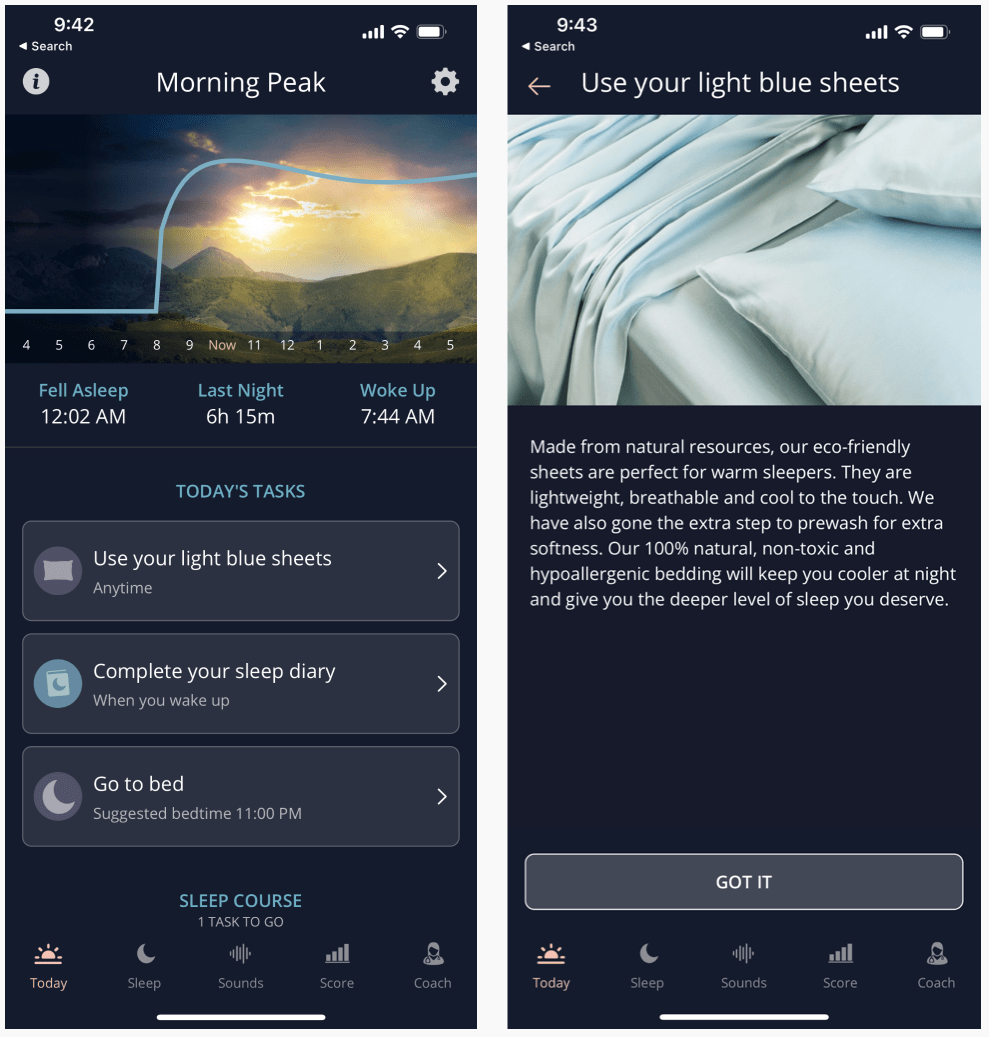
Sleep diary
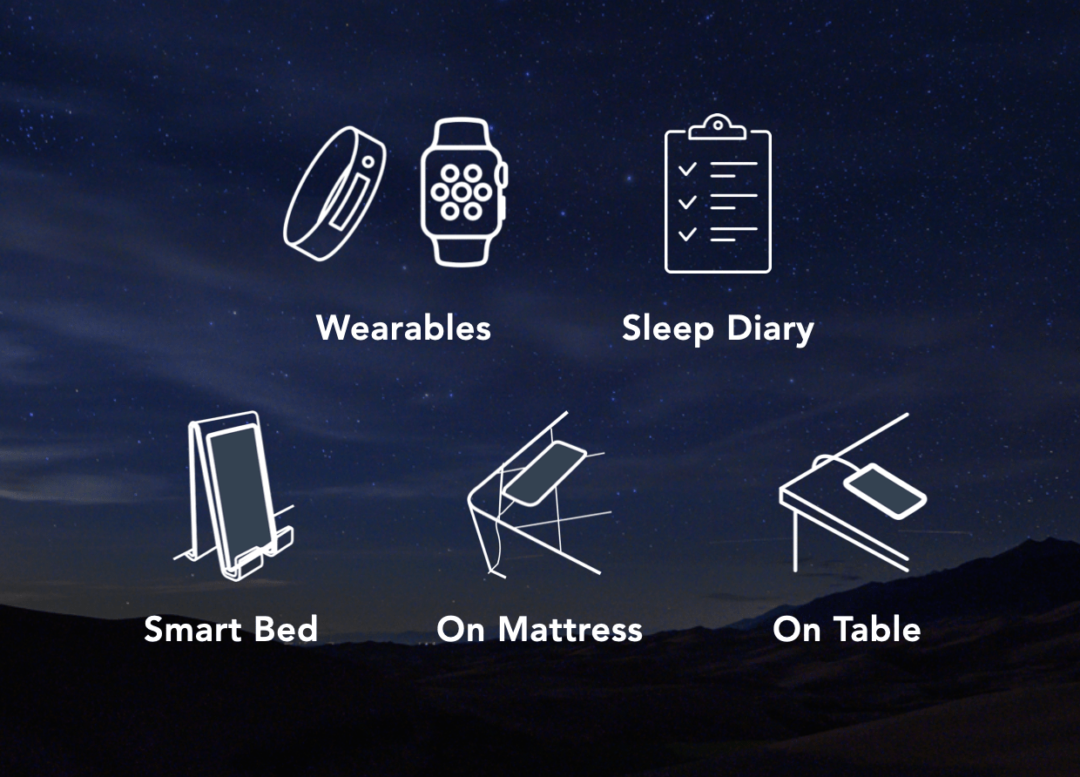
Use the diary to catch patterns in timing, awakenings, stress, recovery, and what actually changed from one night to the next.
Learn how to use it
SleepSpace feature
Weekly sleep stats
Use weekly trends to see whether you are actually improving instead of judging everything from one rough night.
Learn how to use it
SleepSpace resources
SleepSpace resources that fit this pattern
Use these practical guides and tools to understand this sleep pattern and choose a useful next step.
SleepSpace article
SleepSpace learning hub
A broad SleepSpace article library that can serve as the hub resource on every page.
SleepSpace article
SleepSpace science page
Useful when the page needs a product-adjacent evidence destination.
SleepSpace article
Tracking and wearables guide
Useful for pages that emphasize data quality, sleep diaries, and wearables.
SleepSpace article
SleepSpace program based on CBT-I
Useful for insomnia-heavy pages where the next step logic is behavioral.
FAQ
Questions Dr. Dan would expect about this animal
Quick answers to the questions people usually ask when this sleep pattern feels familiar.
What does the Ostrich sleep animal mean?
This profile fits people who delay bed, dread the attempt to sleep, or avoid nighttime because sleep has become emotionally loaded. The issue is not laziness. It is that bedtime itself has started to feel like pressure. The right next step is to make the approach to sleep feel less threatening and more winnable. Progress here often begins when bedtime becomes gentler, simpler, and less emotionally charged. Sleep can be shaped by schedule, stress load, sleep environment, body signals, and what happens the following day. Looking for repeatable changes across several nights makes it easier to identify a useful next step.
What should you track if this ostrich pattern sounds like you?
For this cluster, event notes matter: episodes of paralysis, dream enactment, vivid dream intensity, unusually sticky grogginess, or nights that feel neurologically different from baseline. Structured notes make the pattern easier to detect than a generic morning rating alone. [3] [14] Start with the SleepSpace sleep assessment and then use the app to watch what happens to timing, continuity, symptoms, and next-day recovery over time.
When should you get extra help for ostrich-style sleep problems?
If this pattern is getting more intense, affecting safety, or leaving you persistently exhausted, treat this page as educational and talk with a doctor or sleep specialist. SleepSpace can help you organize the pattern, but medical concerns still deserve medical care.
Important note
Make bedtime feel approachable again
If events involve injury risk, violent dream enactment, very frequent paralysis, profound daytime impairment, or other neurologic red flags, the educational pattern should not substitute for clinical evaluation. [11] [9]
Use SleepSpace to lower bedtime stress when your sleep routine has started to feel like something to avoid.
Research references
Research behind these sleep insights
Show citations (18)
- Foulkes et al. (1996). Misrepresentation of sleep-laboratory dream research with children.
The strange parts of sleep still follow patterns, and the useful question is what state transition keeps misfiring.
Full article - Wamsley et al. (2010). Dreaming of a learning task is associated with enhanced sleep-dependent memory consolidation.
Strategic naps can restore more than people expect when the alternative is trying to grind through a biologically low period.
Full article - Diekelmann et al. (2010). The memory function of sleep.
This review is useful because deep-sleep papers matter here because they connect restoration to what the brain is doing during the night, not just how long you stayed in bed.
Full article - Loughran et al. (2012). Individual differences in the effects of mobile phone exposure on human sleep: rethinking the problem.
Some of the most interesting work in this area suggests the sleeping brain is still actively strengthening what matters and clearing what does not.
Full article - Bliwise et al. (2010). Phasic muscle activity in sleep and clinical features of Parkinson disease.
The strange, cinematic nights in this lane usually still map onto repeatable state-transition problems rather than random bad luck.
Full article - Jewett et al. (2001). Practice effects observed over a month-long 28-hour forced desynchorony protocol in a cognitive throughput task are well described by a saturating exponenntial function.
This trial is especially relevant because recovery-focused papers keep showing the same thing: a strong baseline is something to protect before it slips, not chase after it is gone.
Full article - Uchida et al. (1991). Sigma (12-15Hz) and delta (0.3-3Hz) EEG oscillate reciprocally within NREM sleep.
The odd-feeling nights in this lane usually still follow a pattern once the right trigger or state transition gets named.
Full article - Golstein et al. (1983). Effects of "jet lag" on hormonal patterns. IV. Time shifts increase growth hormone release.
Evening light exposure can stretch sleep latency, delay circadian timing, and leave the next morning feeling flatter than the total sleep time alone would predict.
Full article - Ehlers et al. (1989). Effects of age on delta and REM sleep parameters.
Deep sleep is not just about logging enough hours; it is where the night often becomes truly restorative.
Full article - Peigneux et al. (2003). Learned material content and acquisition level modulate cerebral reactivation during posttraining rapid-eye-movements sleep.
Recovery-focused papers keep showing the same thing: a strong baseline is something to protect before it slips, not chase after it is gone.
Full article - Coons et al. (1982). Development of sleep-wake patterns and non-rapid eye movement sleep stages during the first six months of life in normal infants.
The odd-feeling nights in this lane usually still follow a pattern once the right trigger or state transition gets named.
Full article - Boivin et al. (2000). Influence of sleep-wake and circadian rhythm disturbances in psychiatric disorders.
Feeling used to a short sleep schedule does not always mean attention, mood, and reaction time have recovered.
Full article - Normier et al. (2005). The impact of bright-light on sleep inertia: application to civil aviation operations.
The strange parts of sleep still follow patterns, and the useful question is what state transition keeps misfiring.
Full article - Smith et al. (2001). Sleep states and memory processes in humans: procedural versus declarative memory systems.
Feeling used to a short sleep schedule does not always mean attention, mood, and reaction time have recovered.
Full article - Steriade et al. (2003). The corticothalamic system in sleep.
Deep-sleep papers matter here because they connect restoration to what the brain is doing during the night, not just how long you stayed in bed.
Full article - Bruck et al. (1997). The effects of sleep inertia on decision-making performance.
Strategic naps can restore more than people expect when the alternative is trying to grind through a biologically low period.
Full article - Lancel et al. (2021). Disturbed Sleep in PTSD: Thinking Beyond Nightmares.
The strange, cinematic nights in this lane usually still map onto repeatable state-transition problems rather than random bad luck.
Full article - Grace et al. (2013). Identification of the mechanism mediating genioglossus muscle suppression in REM sleep.
A rough morning can come from repeated breathing strain and micro-disruption even when you do not remember many awakenings.
Full article
Nearby profiles
Other animals in the same neighborhood

Related animal
Phoenix
Rebound Sleeper
Your body is trying to recover in bursts after too much accumulated loss.
Related animal
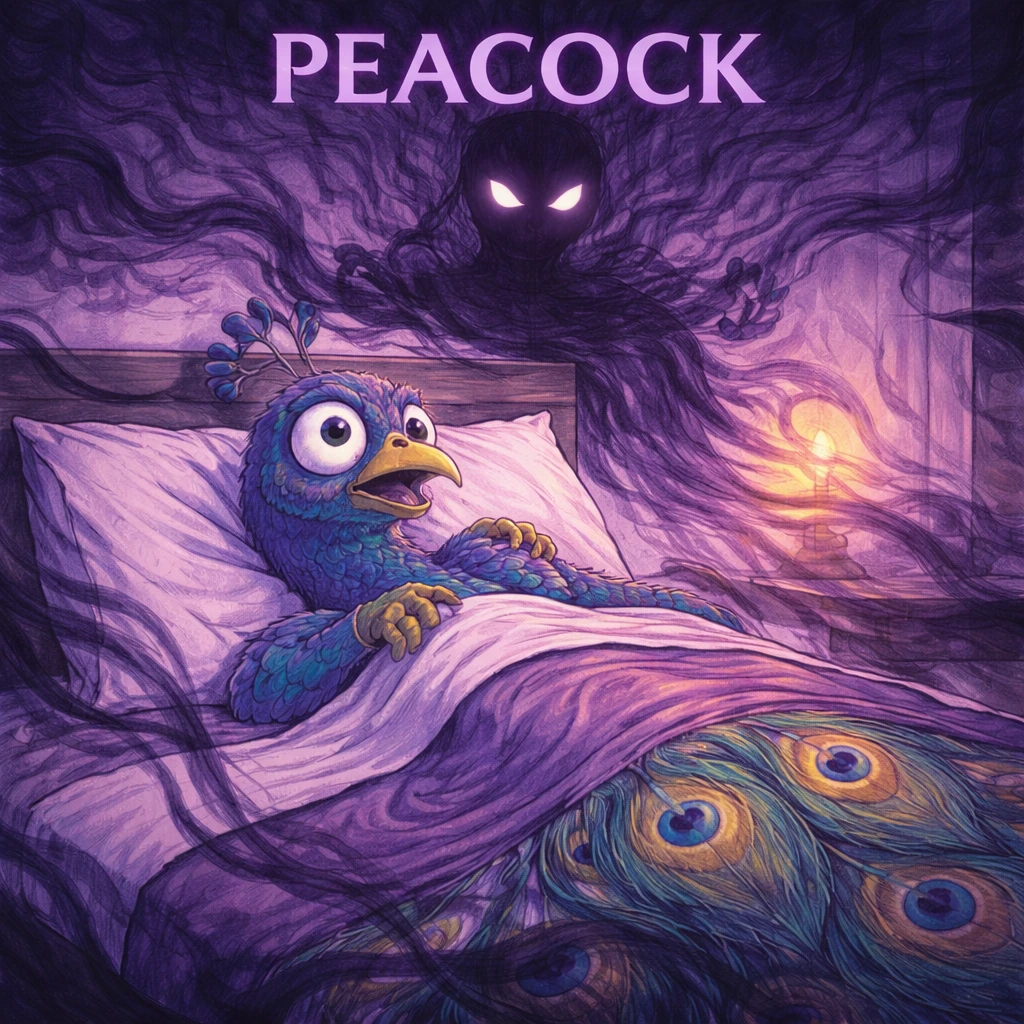
Peacock
Sleep-Paralysis Sleeper
Some of your most unsettling sleep experiences may be happening at the edges of sleep itself.
Related animal
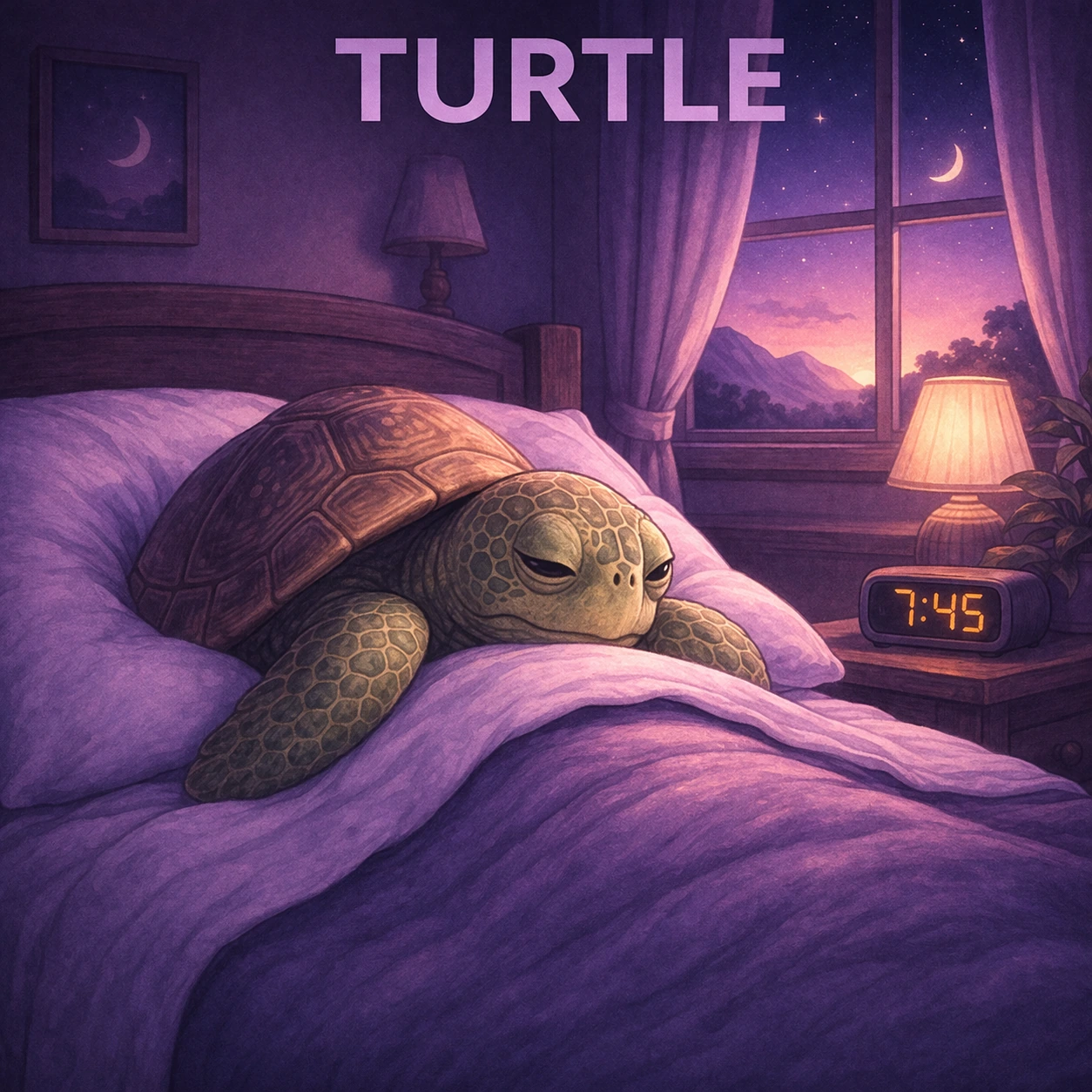
Turtle
Slow-Starter Sleeper
Your sleep may end, but your system does not feel fully online right away.