
Neuropsych and Complex Sleep phenotype
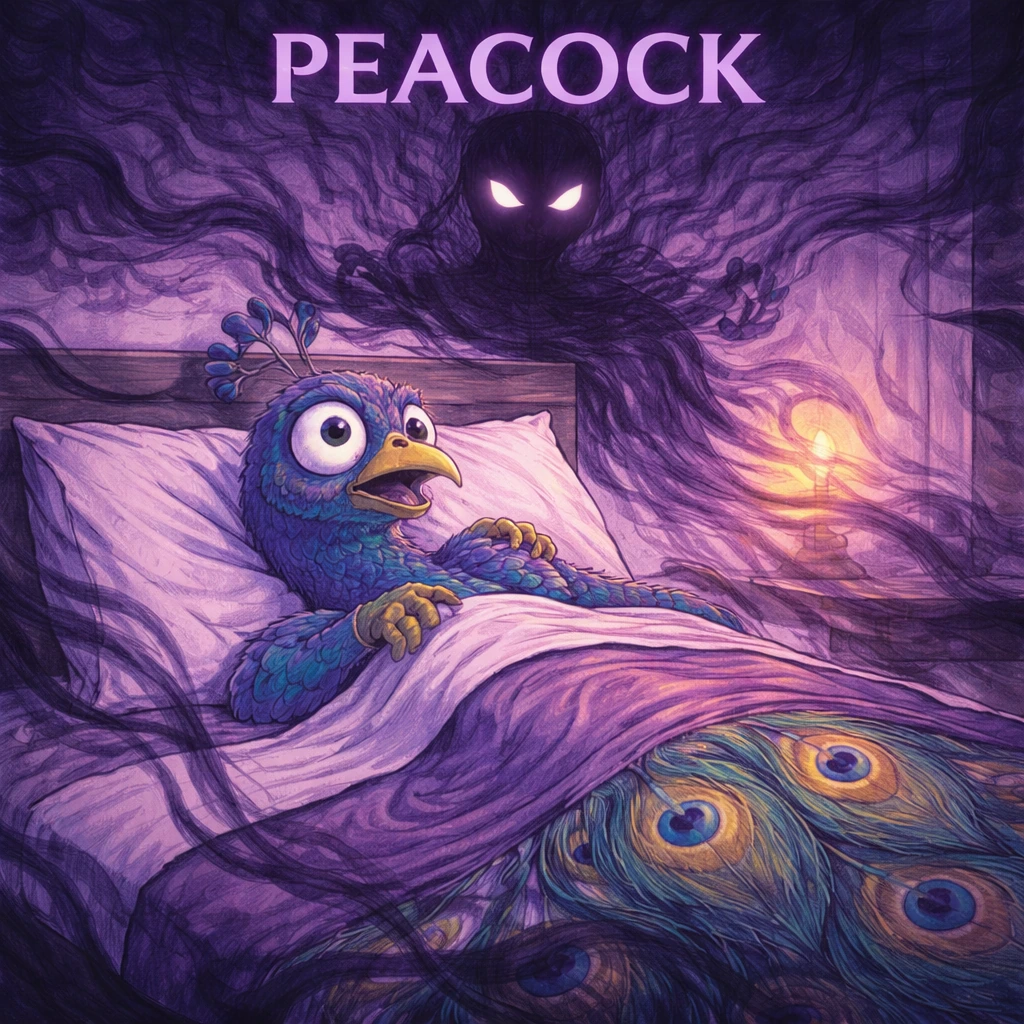
Peacock: Sleep-Paralysis Sleeper
Some of your most unsettling sleep experiences may be happening at the edges of sleep itself.
These animals often live at the edges of sleep: unstable transitions, dream enactment, vivid dream load, sleep paralysis, heavy sleep inertia, or unusual stress sensitivity.
Interpretation
How to read this phenotype
Some of your most unsettling sleep experiences may be happening at the edges of sleep itself. [1] [2]
Read this phenotype as a pattern at the edges of sleep. The night may include vivid dreams, unstable transitions, heavy inertia, paralysis, or unusual sensitivity to stress and sleep loss. The useful move is not to dramatize the experience. It is to make the pattern safer, more trackable, and easier to separate into vividness, instability, and actual risk. Strategic naps can restore more than people expect when the alternative is trying to grind through a biologically low period. [3] [4] [5]
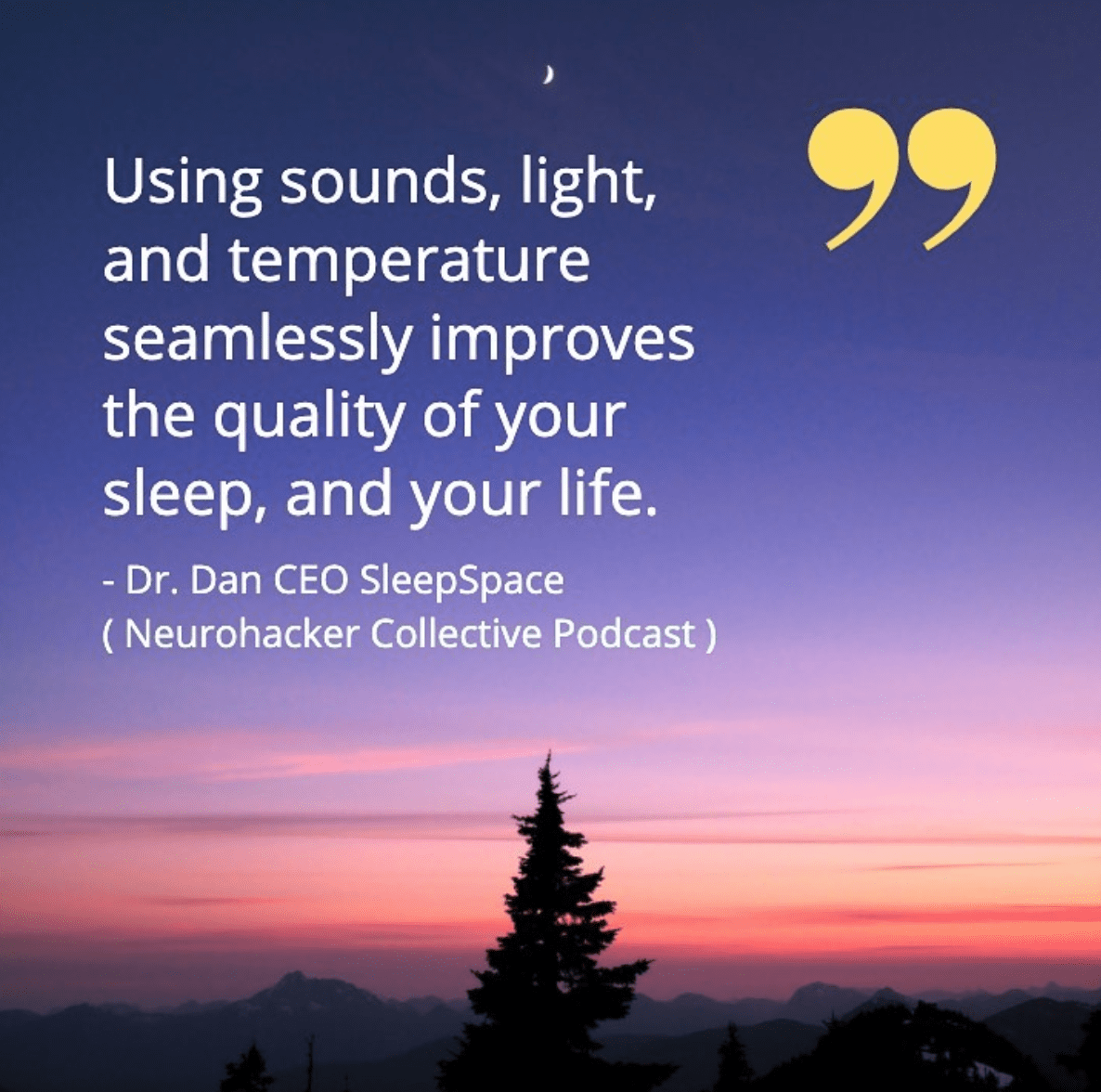
The strange, cinematic nights in this lane usually still map onto repeatable state-transition problems rather than random bad luck. Deep sleep is not just about logging enough hours; it is where the night often becomes truly restorative. That is where SleepSpace becomes more useful than a static score alone: it can help you see the pattern more clearly and, when appropriate, respond in real time with sound and light changes while the night is still unfolding. [6]
What this often looks like
Common signals in real life
- Some of your most unsettling sleep experiences may be happening at the edges of sleep itself.
- The unusual part of the night often happens at the transition between sleep, dreaming, and waking.
- Stress, sleep loss, and schedule instability can amplify the pattern even if they do not fully explain it.
- The sleeper may describe the night as unsettling, vivid, sticky, or neurologically strange.
- This cluster benefits from both symptom description and careful normalization where appropriate.
Why this page exists
What makes Peacock distinct
The pages need to be careful, descriptive, and explicit that these are phenotype sketches rather than formal diagnoses.
Reduce sleep deprivation, stabilize timing, and make transitions into sleep feel calmer. SleepSpace can help reinforce steadier patterns around sleep onset and waking.
Scientific read
These profiles sit where sleep, perception, stress reactivity, and state transitions start to blur. The night can feel unusual, but unusual does not mean meaningless. Dream enactment, paralysis, vivid REM content, and heavy sleep inertia all have plausible mechanisms, and they often get louder with stress, sleep loss, or irregular schedules. That is why careful observation matters more than dramatic interpretation. Repeated patterns make the night easier to read than a single strange episode does. The literature here is useful because it separates vividness from risk and instability from chaos. That distinction makes next steps much clearer. [7] [10] [13] [16]
The practical goal is to make the night safer, steadier, and more understandable, not to romanticize symptoms that may still deserve attention. The more unusual sleep papers help here because they keep proving that vivid, sticky, or unsettling nights are not random just because they feel strange from the inside. The practical move is to separate dramatic feeling from actual pattern, then track what state transition, stressor, or recovery pressure keeps bringing the same night back. Deep-sleep papers matter here because they connect restoration to what the brain is doing during the night, not just how long the sleeper stayed in bed. [8] [11] [14] [17]
The strange, cinematic nights in this lane usually still map onto repeatable state-transition problems rather than random bad luck. Evening light exposure can stretch sleep latency, delay circadian timing, and leave the next morning feeling flatter than the total sleep time alone would predict. Deep sleep is not just about logging enough hours; it is where the night often becomes truly restorative. Strategic naps can restore more than people expect when the alternative is trying to grind through a biologically low period. [9] [12] [15] [18]
Tracking and wearables
What data often helps separate this pattern from nearby ones
For this cluster, event notes matter: episodes of paralysis, dream enactment, vivid dream intensity, unusually sticky grogginess, or nights that feel neurologically different from baseline. Structured notes make the pattern easier to detect than a generic morning rating alone. [3] [14]
SleepSpace's own tracking and wearables articles are especially relevant for these pages because they reinforce the difference between a one-night impression and an interpretable pattern. That is useful for every phenotype, but it becomes essential when the mechanism changes with context. [12] [14] [13]

SleepSpace app features
Use these tools if you want to improve this pattern instead of just reading about it
Start with the assessment, download the app, and use the features below to turn this sleep animal into a practical plan.

SleepSpace feature
Sleep assessment
Start here if you want a clearer read on your sleep animal, your main bottlenecks, and what to work on first.
Learn how to use it
SleepSpace feature
Sleep diary
Use the diary to catch patterns in timing, awakenings, stress, recovery, and what actually changed from one night to the next.
Learn how to use it

SleepSpace feature
Weekly sleep stats
Use weekly trends to see whether you are actually improving instead of judging everything from one rough night.
Learn how to use it
SleepSpace resources
SleepSpace resources that fit this phenotype
These were selected by spidering SleepSpace topic pages and product resources that match the mechanism cluster behind this animal.
SleepSpace article
SleepSpace learning hub
A broad SleepSpace article library that can serve as the hub resource on every page.
SleepSpace article
SleepSpace science page
Useful when the page needs a product-adjacent evidence destination.
SleepSpace article
Tracking and wearables guide
Useful for pages that emphasize data quality, sleep diaries, and wearables.
SleepSpace article
SleepSpace program based on CBT-I
Useful for insomnia-heavy pages where the intervention logic is behavioral.
FAQ
Questions Dr. Dan would expect about this animal
Quick answers to the questions people usually ask when this sleep pattern feels familiar.
What does the Peacock sleep animal mean?
This profile fits episodes of waking awareness with temporary inability to move, often paired with vivid sensations or fear. These experiences can make sleep feel less safe even when the rest of the night looks normal. The goal is to reduce instability around sleep transitions and lower the fear they create. Naming the pattern clearly can itself be relieving because it makes the experience feel less mysterious and isolating. This long-form page treats Peacock as a sleep phenotype: a memorable wrapper around a recurring pattern that likely clusters across schedule, physiology, stress load, and next-day restoration. The goal is not to claim a formal diagnosis. The goal is to make the likely mechanism more understandable and the next step more obvious. This is educational guidance to help you recognize the pattern, not a medical diagnosis.
What should you track if this peacock pattern sounds like you?
For this cluster, event notes matter: episodes of paralysis, dream enactment, vivid dream intensity, unusually sticky grogginess, or nights that feel neurologically different from baseline. Structured notes make the pattern easier to detect than a generic morning rating alone. [3] [14] Start with the SleepSpace sleep assessment and then use the app to watch what happens to timing, continuity, symptoms, and next-day recovery over time.
When should you get extra help for peacock-style sleep problems?
If this pattern is getting more intense, affecting safety, or leaving you persistently exhausted, treat this page as educational and talk with a doctor or sleep specialist. SleepSpace can help you organize the pattern, but medical concerns still deserve medical care.
Important note
Make sleep transitions feel safer again
If events involve injury risk, violent dream enactment, very frequent paralysis, profound daytime impairment, or other neurologic red flags, the educational phenotype should not substitute for clinical evaluation. [11] [9]
Use SleepSpace to stabilize sleep timing and lower the arousal that can amplify edge-of-sleep experiences.
Research references
Selected citations for this page
Show citations (18)
- Wamsley et al. (2010). Dreaming of a learning task is associated with enhanced sleep-dependent memory consolidation.
Strategic naps can restore more than people expect when the alternative is trying to grind through a biologically low period.
Full article - Bliwise et al. (2010). Phasic muscle activity in sleep and clinical features of Parkinson disease.
The strange, cinematic nights in this lane usually still map onto repeatable state-transition problems rather than random bad luck.
Full article - Blank et al. (1998). Dreams of the blind.
This review is useful because deep sleep is not just about logging enough hours; it is where the night often becomes truly restorative.
Full article - Snyder et al. (1963). The new biology of dreaming.
Deep sleep is not just about logging enough hours; it is where the night often becomes truly restorative.
Full article - Simor et al. (2018). Lateralized rhythmic acoustic stimulation during daytime NREM sleep enhances slow waves.
Deep-sleep papers matter here because they connect restoration to what the brain is doing during the night, not just how long the sleeper stayed in bed.
Full article - Klerman et al. (2013). Survival analysis indicates that age-related decline in sleep continuity occurs exclusively during NREM sleep.
The night can become self-reinforcing when the bed turns into a place for monitoring, rehearsing, and trying too hard.
Full article - Schabus et al. (2012). The fate of incoming stimuli during NREM sleep is determined by spindles and the phase of the slow oscillation.
Deep-sleep papers matter here because they connect restoration to what the brain is doing during the night, not just how long the sleeper stayed in bed.
Full article - Plante et al. (2006). Parasomnias.
The strange, cinematic nights in this lane usually still map onto repeatable state-transition problems rather than random bad luck.
Full article - Van Cauter et al. (1982). The relationship between episodic variations of plasma prolactin and REM-non-REM cyclicity is an artifact.
Evening light exposure can stretch sleep latency, delay circadian timing, and leave the next morning feeling flatter than the total sleep time alone would predict.
Full article - Pemberton et al. (2016). Factors contributing to depressive mood states in everyday life: A systematic review.
This review is useful because deep sleep is not just about logging enough hours; it is where the night often becomes truly restorative.
Full article - Thompson et al. (2023). Remote and in‐clinic digital cognitive screening tools outperform the MoCA to distinguish cerebral amyloid status among cognitively healthy older adults.
Deep sleep is not just about logging enough hours; it is where the night often becomes truly restorative.
Full article - de Zambotti et al. (2017). The Sleep of the Ring: Comparison of the ŌURA Sleep Tracker Against Polysomnography.
Strategic naps can restore more than people expect when the alternative is trying to grind through a biologically low period.
Full article - Brazendale et al. (2017). Understanding differences between summer vs. school obesogenic behaviors of children: the structured days hypothesis.
Strategic naps can restore more than people expect when the alternative is trying to grind through a biologically low period.
Full article - Darchia et al. (2004). Rapid eye movement density shows trends across REM periods but is uncorrelated with NREM delta in young and elderly human subjects.
A recurring finding in the sleep-loss literature is that people feel more adapted than their attention, mood, and reaction time really are.
Full article - Berkman et al. (2015). Work-Family Conflict, Cardiometabolic Risk, and Sleep Duration in Nursing Employees.
Actigraphy papers keep showing how much you learn when timing, duration, and fragmentation are tracked over enough nights to reveal the real pattern.
Full article - Napflin et al. (2008). Test-retest reliability of EEG spectra during a working memory task.
Trend data is often more informative than a single rough night, especially when the pattern shifts with context.
Full article - Sallinen et al. (1996). Processing of auditory stimuli during tonic and phasic periods of REM sleep as revealed by event‐related brain potentials.
This trial is especially relevant because deep sleep is not just about logging enough hours; it is where the night often becomes truly restorative.
Full article - Villafuerte et al. (2015). Sleep deprivation and oxidative stress in animal models: a systematic review.
This review is useful because a recurring finding in the sleep-loss literature is that people feel more adapted than their attention, mood, and reaction time really are.
Full article
Nearby profiles
Other animals in the same neighborhood
Related animal
Ostrich
Escape Sleeper
Bedtime may carry enough stress that part of you wants to avoid it.

Related animal
Phoenix
Rebound Sleeper
Your body is trying to recover in bursts after too much accumulated loss.
Related animal
Turtle
Slow-Starter Sleeper
Your sleep may end, but your system does not feel fully online right away.