
Airway, Environment, and Physical Load pattern
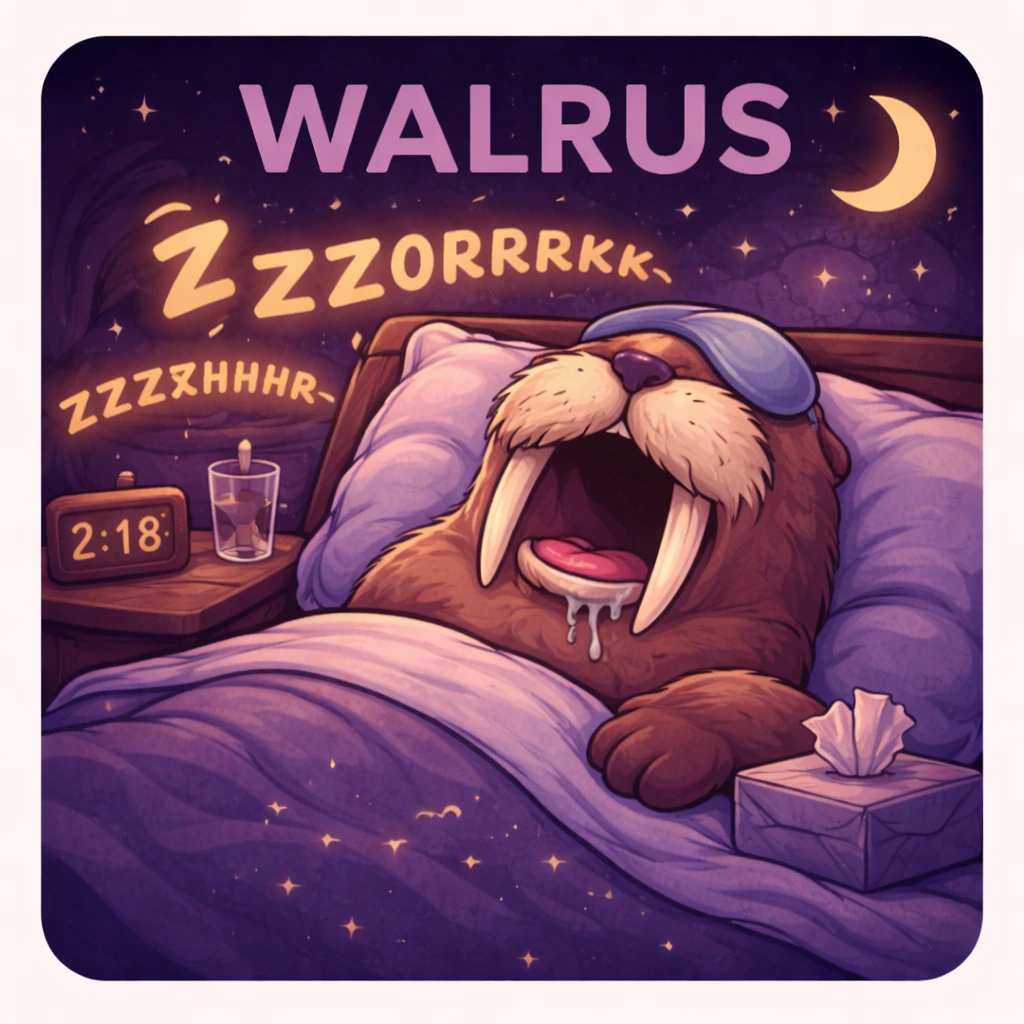
Walrus: Thunder Snorer
Snoring may be the loud symptom of a quieter quality problem.
The recurring theme here is that the body or the room keeps breaking the night apart: breathing strain, pain, heat, noise, movement, or bed-partner disruption.

Start here
Turn this into a practical next step
Pick one small action, then check the pattern over several nights. You do not need to solve everything at once.
Interpretation
What this pattern means
Snoring may be the loud symptom of a quieter quality problem. [1] [2]
This pattern is characterized by disrupted sleep continuity. If breathing effort, sound, pain, movement, or temperature keeps pulling the body upward, the morning can feel much worse than the clock suggests. This group usually improves once the main disruptor gets named clearly. Generic sleep tips matter less when the real bottleneck is physical, positional, or environmental. Timing matters more than force here: the same tool can help or backfire depending on when it is used. [3] [4] [5]
A rough morning can come from repeated breathing strain and micro-disruption even when you do not remember many awakenings. That is where SleepSpace becomes more useful than a static score alone: it can help you see the pattern more clearly and, when appropriate, respond in real time with sound and light changes while the night is still unfolding. [6]
In real life: Loud snoring is not just a nuisance when it comes with gasping, witnessed pauses, morning headaches, or severe sleepiness. Those signs are worth a proper sleep evaluation.
What this often looks like
Common signals in real life
- A physical, environmental, or breathing-related factor may be interrupting sleep.
- Brief awakenings are easy to forget, but they can still leave you unrefreshed.
- Snoring, gasping, or marked daytime sleepiness are worth discussing with a clinician.
- Pain, temperature, noise, movement, position, and a bed partner can all contribute.
Why this page exists
What makes Walrus distinct
This cluster needs practical realism: some causes are behavioral, some need screening, and many overlap.
Treat snoring like useful information, not just a nuisance. SleepSpace can help improve sleep hygiene, schedule, and environment while you monitor whether breathing-related symptoms continue.
Scientific read
These profiles are often about fragmentation happening below awareness. You may not remember many long awakenings, yet the night still keeps stepping out of deeper recovery. Breathing papers matter because airway strain can hide behind snoring, dry mouth, morning heaviness, headaches, or a partner’s observations rather than dramatic self-reported wake-ups. Environmental and physical-disruption papers matter because temperature, pain, movement, and noise can create the same under-restored morning without looking identical on the surface. This is why the right question is not just whether you slept. It is what kept nudging the body out of stable recovery over and over again. [7] [10] [13] [16] [19]
A practical theme in this literature is that position, sound, and physical setup can change the night more than people expect. These papers are useful because they explain how a night can be disrupted below awareness. You may not recall long awakenings, yet the body keeps getting tugged out of deeper recovery. That is why sound, position, pain, heat, breathing effort, and partner observations all matter here instead of just the total hours in bed. Strategic naps can restore more than people expect when the alternative is trying to grind through a biologically low period. [8] [11] [14] [17] [20]
Recovery-focused papers keep showing the same thing: a strong baseline is something to protect before it slips, not chase after it is gone. Deep sleep is not just about logging enough hours; it is where the night often becomes truly restorative. The room itself can become the bottleneck when sound or unpredictability keeps the nervous system slightly on guard. A rough morning can come from repeated breathing strain and micro-disruption even when you do not remember many awakenings. [9] [12] [15] [18]
Tracking and wearables
What data often helps separate this pattern from nearby ones
For these pages, useful data include sound events, snoring patterns, room conditions, awakenings, position notes, partner disturbance, and how often you wake unrefreshed despite apparently adequate time in bed. [11]
Use sound, position notes, morning symptoms, and repeated awakenings to identify a breathing, comfort, or environmental pattern that deserves attention. A wearable estimate alone cannot answer that question. [9] [11] [10]
SleepSpace app features
Use these tools if you want to improve this pattern instead of just reading about it
Start with the assessment, download the app, and use the features below to turn this sleep animal into a practical plan.
SleepSpace feature
Sleep assessment
Start here if you want a clearer read on your sleep animal, your main bottlenecks, and what to work on first.
Learn how to use it

SleepSpace feature
Snore masking sounds
Use sound tools when snoring, partner noise, or environmental disruption is part of why sleep feels broken up.
Learn how to use it

SleepSpace feature
Weekly sleep stats
Use weekly trends to see whether you are actually improving instead of judging everything from one rough night.
Learn how to use it
SleepSpace resources
SleepSpace resources that fit this pattern
Use these practical guides and tools to understand this sleep pattern and choose a useful next step.
SleepSpace article
SleepSpace learning hub
A broad SleepSpace article library that can serve as the hub resource on every page.
SleepSpace article
SleepSpace science page
Useful when the page needs a product-adjacent evidence destination.
SleepSpace article
Snoring and breathing tracking guide
Useful for airway, snoring, and breathing-disruption pages.
SleepSpace article
Sound masking guide
Useful for noise, partner, and light-sleeper pages.
SleepSpace article
Tracking and wearables guide
Useful for pages that emphasize data quality, sleep diaries, and wearables.
FAQ
Questions Dr. Dan would expect about this animal
Quick answers to the questions people usually ask when this sleep pattern feels familiar.
What does the Walrus sleep animal mean?
You may be someone whose nights sound more disrupted than they look. Even when snoring is not severe apnea, it can still point to airway resistance, dry sleep, or poorer overnight restoration. Many people underestimate how much snoring affects recovery until they improve it. Small changes can matter, and persistent symptoms deserve follow-up. This pattern is a reminder that noisy sleep is often still meaningful sleep disruption. Sleep can be shaped by schedule, stress load, sleep environment, body signals, and what happens the following day. Looking for repeatable changes across several nights makes it easier to identify a useful next step.
What should you track if this walrus pattern sounds like you?
For these pages, useful data include sound events, snoring patterns, room conditions, awakenings, position notes, partner disturbance, and how often you wake unrefreshed despite apparently adequate time in bed. [11] Start with the SleepSpace sleep assessment and then use the app to watch what happens to timing, continuity, symptoms, and next-day recovery over time.
When should you get extra help for walrus-style sleep problems?
If this pattern is getting more intense, affecting safety, or leaving you persistently exhausted, treat this page as educational and talk with a doctor or sleep specialist. SleepSpace can help you organize the pattern, but medical concerns still deserve medical care.
Important note
Improve the quality hiding underneath the noise
If loud snoring, observed breathing pauses, gasping, severe daytime sleepiness, or blood-pressure concerns are part of the story, a formal sleep evaluation matters. These pages can orient you, but they do not replace diagnostic workup for sleep-disordered breathing. [6]
SleepSpace helps you improve overall recovery while you get clearer about what snoring is doing to your nights.
Research references
Research behind these sleep insights
Show citations (20)
- Shavali et al. (2005). Melatonin exerts its analgesic actions not by binding to opioid receptor subtypes but by increasing the release of beta-endorphin an endogenous opioid.
Timing matters more than force here: the same tool can help or backfire depending on when it is used.
Full article - Nsair et al. (2019). Factors Influencing Adherence to Auto-CPAP: An Observational Monocentric Study Comparing Patients With and Without Cardiovascular Diseases.
A rough morning can come from repeated breathing strain and micro-disruption even when you do not remember many awakenings.
Full article - Rapelli et al. (2021). Improving CPAP Adherence in Adults With Obstructive Sleep Apnea Syndrome: A Scoping Review of Motivational next steps.
This trial is especially relevant because a rough morning can come from repeated breathing strain and micro-disruption even when you do not remember many awakenings.
Full article - Hwang et al. (2022). Validation of the STOP-Bang questionnaire as a preoperative screening tool for obstructive sleep apnea: a systematic review and meta-analysis.
This trial is especially relevant because a rough morning can come from repeated breathing strain and micro-disruption even when you do not remember many awakenings.
Full article - Barone et al. (2011). Diabetes and sleep: a complex cause-and-effect relationship.
This review is useful because a recurring finding in the sleep-loss literature is that people feel more adapted than their attention, mood, and reaction time really are.
Full article - Martinez-Garcia et al. (2013). Effect of CPAP on blood pressure in patients with obstructive sleep apnea and resistant hypertension: the HIPARCO randomized clinical trial.
A rough morning can come from repeated breathing strain and micro-disruption even when you do not remember many awakenings.
Full article - Bianchi et al. (2015). Consumer sleep monitors: is there a baby in the bathwater?.
Strategic naps can restore more than people expect when the alternative is trying to grind through a biologically low period.
Full article - Schell et al. (2008). Stress biomarkers' associations to pain in the neck, shoulder and back in healthy media workers: 12-month prospective follow-up.
Recovery-focused papers keep showing the same thing: a strong baseline is something to protect before it slips, not chase after it is gone.
Full article - Kunz et al. (2003). Simulation of circadian rhythm generation in the suprachiasmatic nucleus with locally coupled self-sustained oscillators.
Deep sleep is not just about logging enough hours; it is where the night often becomes truly restorative.
Full article - Warren et al. (2023). Functional magnetic resonance imaging, deep learning, and Alzheimer's disease: A systematic review.
This review is useful because the room itself can become the bottleneck when sound or unpredictability keeps the nervous system slightly on guard.
Full article - Lies et al. (1996). Hypertension and obstructive sleep apnea. Ambulatory blood pressure monitoring before and with nCPAP-therapy.
A rough morning can come from repeated breathing strain and micro-disruption even when you do not remember many awakenings.
Full article - Bartels et al. (2016). Definition and Importance of Autonomic Arousal in Patients with Sleep Disordered Breathing.
Deep sleep is not just about logging enough hours; it is where the night often becomes truly restorative.
Full article - Kim et al. (2012). Association between work-family conflict and musculoskeletal pain among hospital patient care workers.
You may not remember dramatic awakenings, yet the body can still be leaving deep recovery over and over again.
Full article - Smolensky et al. (2011). Sleep disorders, medical conditions, and road accident risk.
This review is useful because the night can become self-reinforcing when the bed turns into a place for monitoring, rehearsing, and trying too hard.
Full article - Behar et al. (2013). A review of current sleep screening applications for smartphones.
This review is useful because the room itself can become the bottleneck when sound or unpredictability keeps the nervous system slightly on guard.
Full article - Irish et al. (2015). The role of sleep hygiene in promoting public health: A review of empirical evidence.
This review is useful because strategic naps can restore more than people expect when the alternative is trying to grind through a biologically low period.
Full article - Weibel et al. (1997). Twenty-four-hour melatonin and core body temperature rhythms: their adaptation in night workers.
Timing matters more than force here: the same tool can help or backfire depending on when it is used.
Full article - Hays et al. (2005). Psychometric properties of the Medical Outcomes Study Sleep measure.
This trial is especially relevant because deep sleep is not just about logging enough hours; it is where the night often becomes truly restorative.
Full article - Miller et al. (2006). Measurement of leptin in dried blood spot samples.
Small thermal disruptions can keep sleep lighter than the clock would suggest, especially in the second half of the night.
Full article - Davidson et al. (2003). Is the food-entrainable circadian oscillator in the digestive system?.
Deep sleep is not just about logging enough hours; it is where the night often becomes truly restorative.
Full article
Nearby profiles
Other animals in the same neighborhood
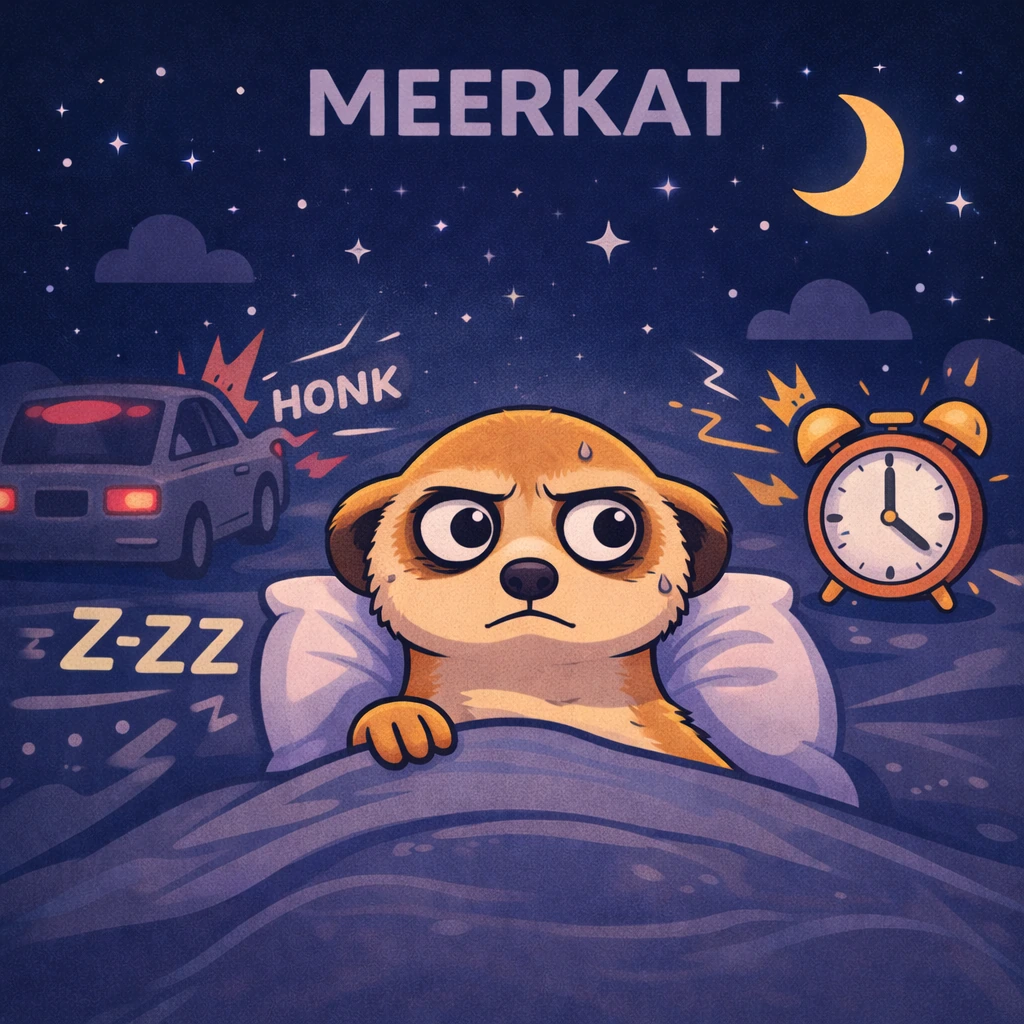
Related animal
Meerkat
Noise Guard
Your sleep stays on alert for the next disturbance.
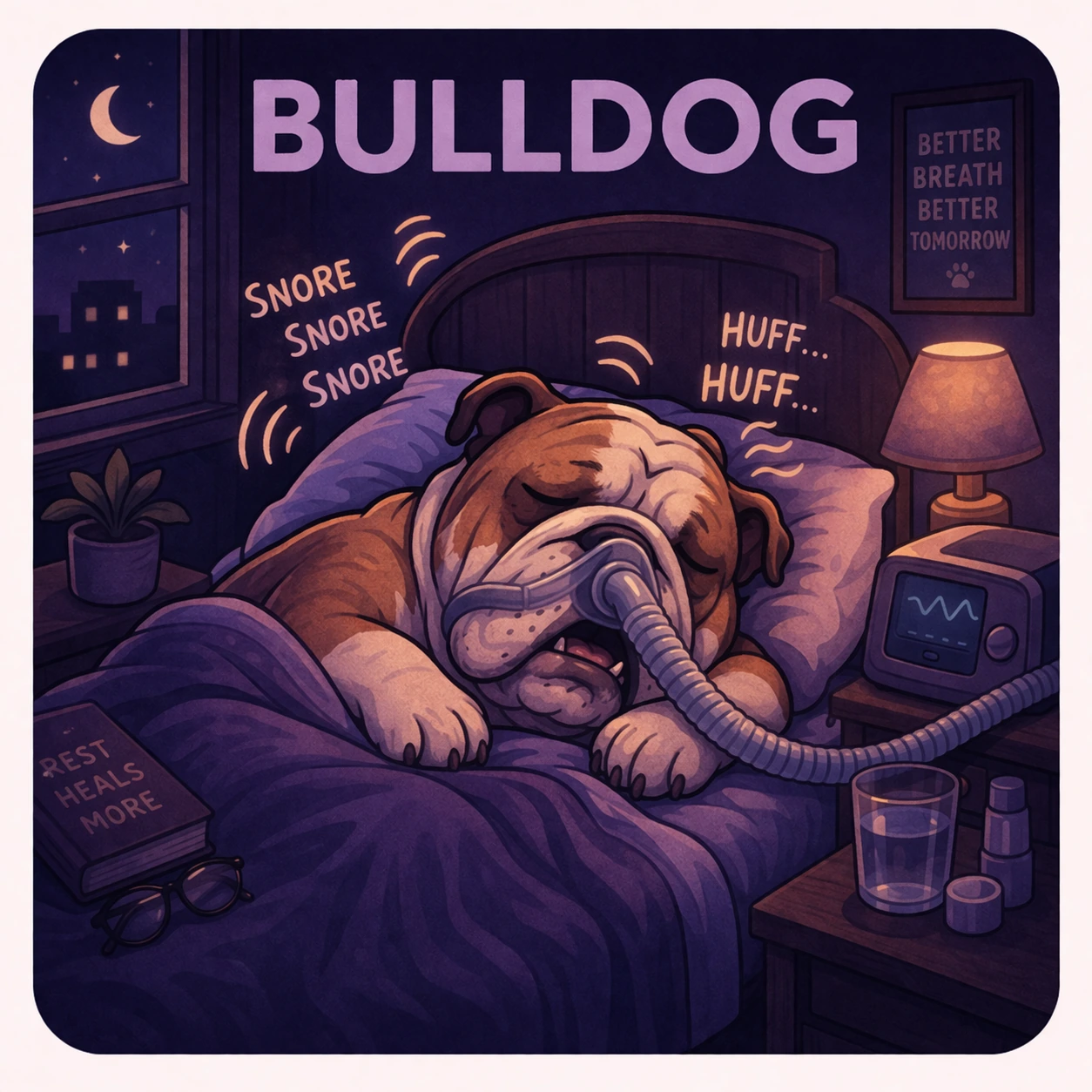
Related animal
Bulldog
Airway Clencher
Your sleep may be getting disrupted by breathing, snoring, or nighttime airway strain.
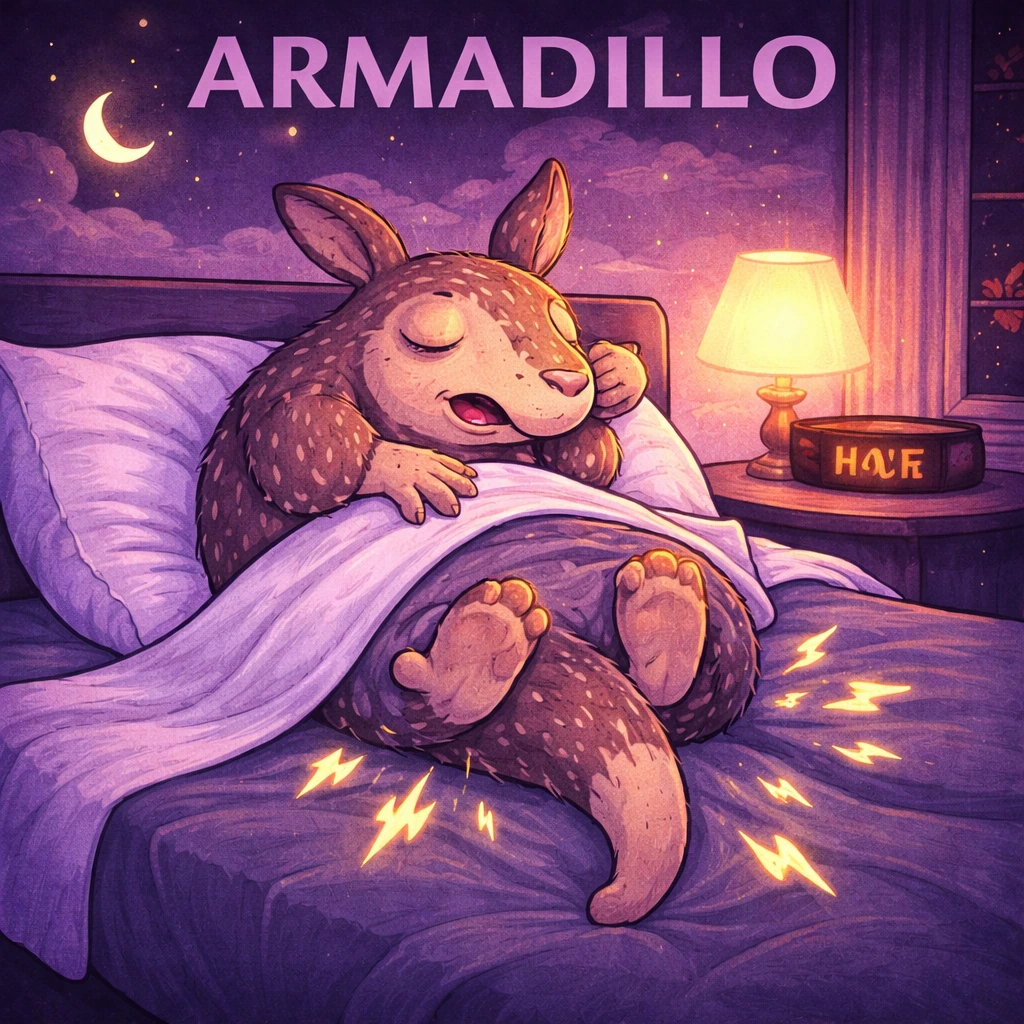
Related animal
Armadillo
Restless-Legs Sleeper
Your body may be asking you to move right when you want it to settle.