
Optimum Sleepers pattern
Raven: Cognitive Marathoner
Your brain works hard, and your sleep seems designed to restore it.
These animals describe people whose sleep already functions relatively well and who benefit most from preserving, refining, and intelligently protecting that advantage.

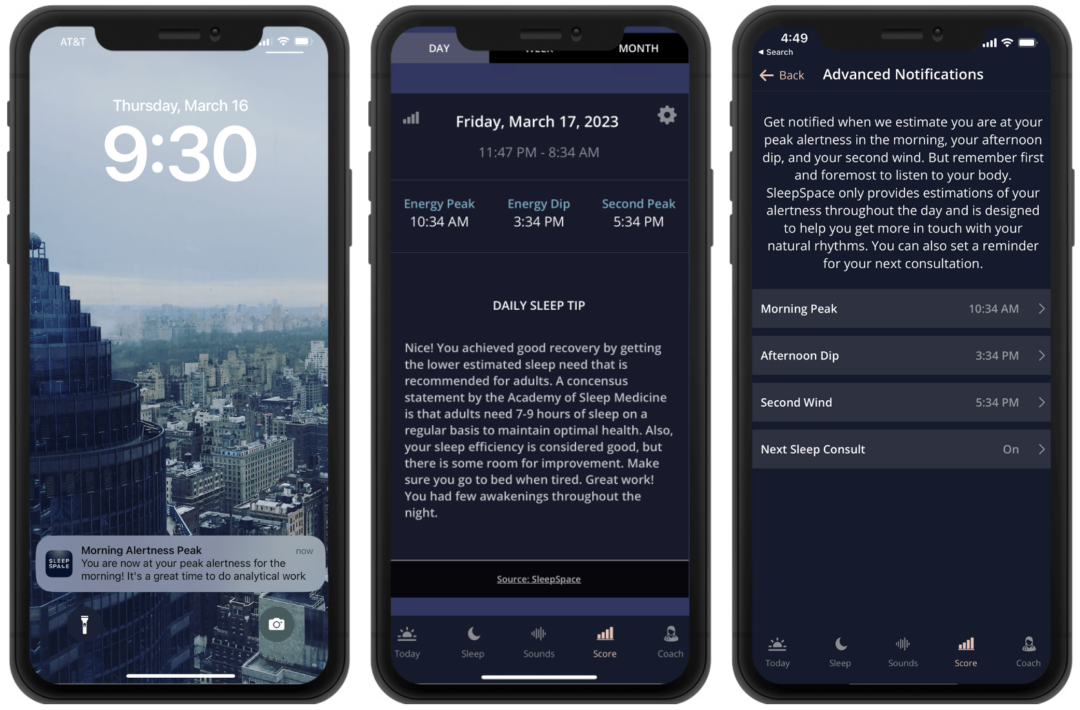
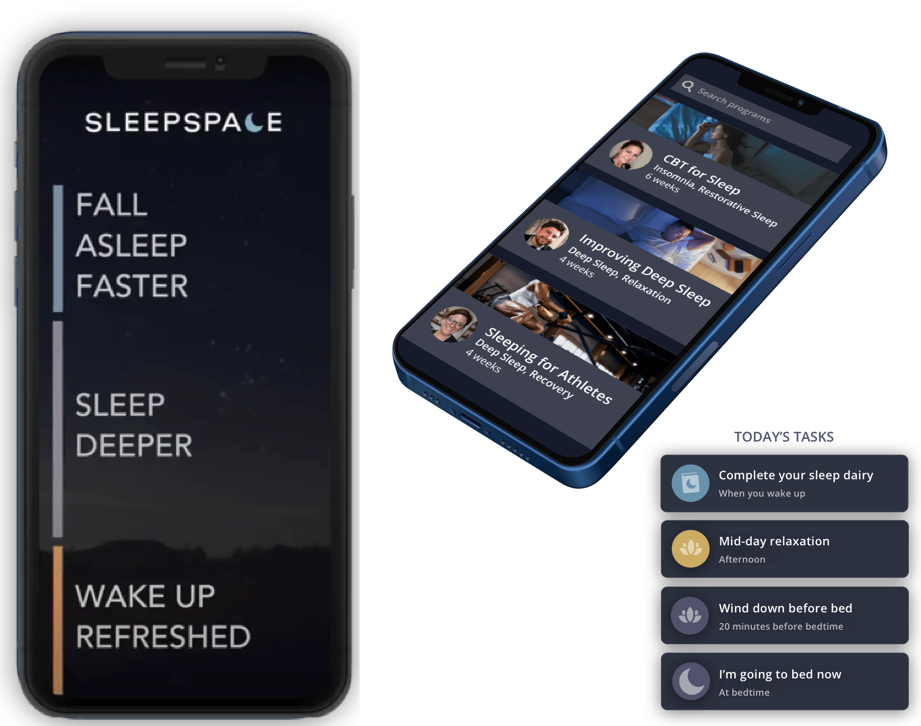
Start here
Turn this into a practical next step
Pick one small action, then check the pattern over several nights. You do not need to solve everything at once.
Interpretation
What this pattern means
Your brain works hard, and your sleep seems designed to restore it. [1] [2]
This pattern reflects sleep that is worth protecting. Strong sleep is a real advantage for mood, focus, recovery, and resilience, and it becomes easier to keep once you notice what erodes it. These profiles do not need rescue so much as intelligent maintenance. The job is to preserve the conditions that keep sleep working at a high level. Recovery-focused papers keep showing the same thing: a strong baseline is something to protect before it slips, not chase after it is gone. [3] [4] [5]
Feeling used to a short sleep schedule does not always mean attention, mood, and reaction time have recovered. That is where SleepSpace becomes more useful than a static score alone: it can help you see the pattern more clearly and, when appropriate, respond in real time with sound and light changes while the night is still unfolding. [6]
In real life: Intense thinking can keep the brain in problem-solving mode after the work is done. End cognitively demanding work with a written handoff so your mind does not need to keep the whole problem active overnight.
What this often looks like
Common signals in real life
- You already has a comparatively strong base and may be optimizing rather than troubleshooting.
- Performance, deep recovery, dream richness, or intentional sleep practice often define the experience.
- The risk is not only losing good sleep, but losing the habits that quietly support it.
- These patterns are strongest when tracked over time rather than judged from one unusually good or bad night.
Why this page exists
What makes Raven distinct
The copy here should sound like refinement, not rescue.
Use SleepSpace to reinforce the timing, decompression, and rhythm that keep cognitive performance paired with deep restoration.
Scientific read
The best sleep papers in this lane are useful because they describe what high-functioning sleep is doing well: stable continuity, strong recovery, and enough depth to support the next day. That does not mean perfect scores every night. It means you have a resilient baseline that can be protected and tuned instead of constantly rebuilt from scratch. Performance and recovery papers also help here because they show how sleep quality shapes focus, mood, athletic output, and resilience even in otherwise healthy people. The practical lesson is to defend what is already working before subtle erosion becomes a more obvious problem. [7] [10] [13] [16] [19]
High-functioning sleepers benefit from seeing the early drift, not just the late collapse. The highest-quality sleepers are worth studying because the literature treats strong recovery like an asset that can be maintained intelligently, not just admired after the fact. That turns the job into protecting the habits and environment that keep sleep deep, regular, and quietly high-performing. Feeling used to a short sleep schedule does not always mean attention, mood, and reaction time have recovered. [8] [11] [14] [17] [20]
Recovery-focused papers keep showing the same thing: a strong baseline is something to protect before it slips, not chase after it is gone. Actigraphy papers keep showing how much you learn when timing, duration, and fragmentation are tracked over enough nights to reveal the real pattern. Deep-sleep papers matter here because they connect restoration to what the brain is doing during the night, not just how long you stayed in bed. The night can become self-reinforcing when the bed turns into a place for monitoring, rehearsing, and trying too hard. [9] [12] [15] [18]
Tracking and wearables
What data often helps separate this pattern from nearby ones
The most useful data usually combine diary context with wearables: consistency, recovery trends, overnight fragmentation, timing, and whether your subjective readiness matches the objective-looking night. [1] [13]
Compare the data with morning energy and the habits that came before bed. A trend is more useful when you also know how the night felt. [11] [13] [12]
SleepSpace app features
Use these tools if you want to improve this pattern instead of just reading about it
Start with the assessment, download the app, and use the features below to turn this sleep animal into a practical plan.
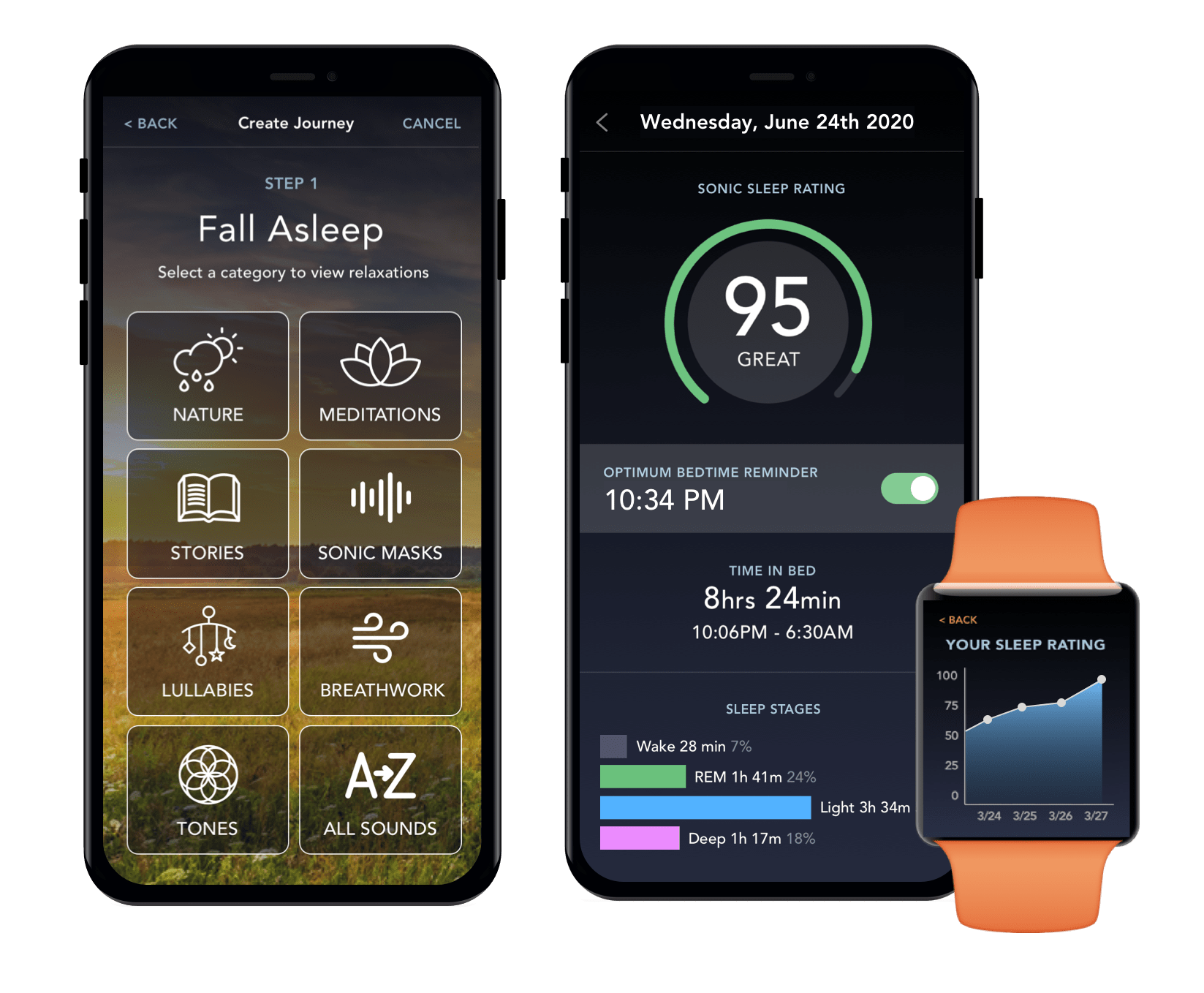
SleepSpace feature
Sleep assessment
Start here if you want a clearer read on your sleep animal, your main bottlenecks, and what to work on first.
Learn how to use it
SleepSpace feature
Sleep diary
Use the diary to catch patterns in timing, awakenings, stress, recovery, and what actually changed from one night to the next.
Learn how to use it

SleepSpace feature
Weekly sleep stats
Use weekly trends to see whether you are actually improving instead of judging everything from one rough night.
Learn how to use it
SleepSpace resources
SleepSpace resources that fit this pattern
Use these practical guides and tools to understand this sleep pattern and choose a useful next step.
SleepSpace article
SleepSpace learning hub
A broad SleepSpace article library that can serve as the hub resource on every page.
SleepSpace article
SleepSpace science page
Useful when the page needs a product-adjacent evidence destination.
SleepSpace article
Tracking and wearables guide
Useful for pages that emphasize data quality, sleep diaries, and wearables.
SleepSpace article
SleepSpace Phone system
Useful for pages that talk about integrated tracking, environment control, and bedside sleep technology.
FAQ
Questions Dr. Dan would expect about this animal
Quick answers to the questions people usually ask when this sleep pattern feels familiar.
What does the Raven sleep animal mean?
This profile fits people who carry heavy mental load but still recover well at night. You may spend your days in analysis, strategy, creativity, study, or focused problem-solving, and your nights appear to support that cognitive intensity with strong sleep depth and consistency. The goal is to keep that brain-body recovery loop intact so high mental performance stays sustainable. This pattern works best when mental intensity is balanced by deliberate decompression rather than endless stimulation. Sleep can be shaped by schedule, stress load, sleep environment, body signals, and what happens the following day. Looking for repeatable changes across several nights makes it easier to identify a useful next step.
What should you track if this raven pattern sounds like you?
The most useful data usually combine diary context with wearables: consistency, recovery trends, overnight fragmentation, timing, and whether your subjective readiness matches the objective-looking night. [1] [13] Start with the SleepSpace sleep assessment and then use the app to watch what happens to timing, continuity, symptoms, and next-day recovery over time.
When should you get extra help for raven-style sleep problems?
If this pattern is getting more intense, affecting safety, or leaving you persistently exhausted, treat this page as educational and talk with a doctor or sleep specialist. SleepSpace can help you organize the pattern, but medical concerns still deserve medical care.
Important note
Support a high-output brain with better recovery
The pattern language is educational and pattern-based. It becomes most useful when paired with trend data, practical experimentation, and medical follow-up when symptoms are severe, persistent, or safety-relevant.
SleepSpace helps mentally intense sleepers protect the routines that keep focus, clarity, and recovery strong.
Research references
Research behind these sleep insights
Show citations (20)
- Pencina et al. (2009). Predicting the 30-year risk of cardiovascular disease: the framingham heart study.
Recovery-focused papers keep showing the same thing: a strong baseline is something to protect before it slips, not chase after it is gone.
Full article - Afessa et al. (2005). Introduction of a 14-hour work shift model for housestaff in the medical ICU.
Recovery-focused papers keep showing the same thing: a strong baseline is something to protect before it slips, not chase after it is gone.
Full article - Philip et al. (2004). Age, performance and sleep deprivation.
Feeling used to a short sleep schedule does not always mean attention, mood, and reaction time have recovered.
Full article - Karikari et al. (2021). Diagnostic performance and prediction of clinical progression of plasma phospho-tau181 in the Alzheimer’s Disease Neuroimaging Initiative.
This trial is especially relevant because deep sleep is not just about logging enough hours; it is where the night often becomes truly restorative.
Full article - Bruehl et al. (2007). Hypothalamic-pituitary-adrenal axis dysregulation and memory impairments in type 2 diabetes.
Recovery-focused papers keep showing the same thing: a strong baseline is something to protect before it slips, not chase after it is gone.
Full article - Horne et al. (1991). Effects on vigilance performance and sleepiness of alcohol given in the early afternoon (`post lunch') vs. early evening.
This review is useful because recovery-focused papers keep showing the same thing: a strong baseline is something to protect before it slips, not chase after it is gone.
Full article - Bellesi et al. (2014). Enhancement of sleep slow waves: underlying mechanisms and practical consequences.
This review is useful because a recurring finding in the sleep-loss literature is that people feel more adapted than their attention, mood, and reaction time really are.
Full article - Frazier et al. (1968). Circadian variability in vigilance performance.
Recovery-focused papers keep showing the same thing: a strong baseline is something to protect before it slips, not chase after it is gone.
Full article - Balkin et al. (2004). On the importance of countermeasures in sleep and performance models.
Recovery-focused papers keep showing the same thing: a strong baseline is something to protect before it slips, not chase after it is gone.
Full article - Killgore et al. (2010). Effects of sleep deprivation on cognition.
Feeling used to a short sleep schedule does not always mean attention, mood, and reaction time have recovered.
Full article - Baillet et al. (2016). Mood Influences the Concordance of Subjective and Objective Measures of Sleep Duration in Older Adults.
Actigraphy papers keep showing how much you learn when timing, duration, and fragmentation are tracked over enough nights to reveal the real pattern.
Full article - Williams et al. (2006). Examining the relationship between work-family spillover and sleep quality.
Recovery-focused papers keep showing the same thing: a strong baseline is something to protect before it slips, not chase after it is gone.
Full article - Virtanen et al. (2009). Long working hours and cognitive function: the Whitehall II Study.
Recovery-focused papers keep showing the same thing: a strong baseline is something to protect before it slips, not chase after it is gone.
Full article - Lim et al. (2005). Internal medicine resident education in the medical intensive care unit: the impact on education and patient care of a scheduling change for didactic sessions.
This trial is especially relevant because recovery-focused papers keep showing the same thing: a strong baseline is something to protect before it slips, not chase after it is gone.
Full article - Marshall et al. (2004). Transcranial Direct Current Stimulation during Sleep Improves Declarative Memory.
Deep-sleep papers matter here because they connect restoration to what the brain is doing during the night, not just how long you stayed in bed.
Full article - Sadeh et al. (1991). Actigraphic home-monitoring sleep-disturbed and control infants and young children: a new method for pediatric assessment of sleep-wake patterns.
Actigraphy papers keep showing how much you learn when timing, duration, and fragmentation are tracked over enough nights to reveal the real pattern.
Full article - Mullington et al. (2009). Cardiovascular, inflammatory, and metabolic consequences of sleep deprivation.
Feeling used to a short sleep schedule does not always mean attention, mood, and reaction time have recovered.
Full article - Benedetti et al. (2008). Clock genes beyond the clock: CLOCK genotype biases neural correlates of moral valence decision in depressed patients.
The night can become self-reinforcing when the bed turns into a place for monitoring, rehearsing, and trying too hard.
Full article - Barnes et al. (2006). Multiple imputation techniques in small sample clinical trials.
This trial is especially relevant because recovery-focused papers keep showing the same thing: a strong baseline is something to protect before it slips, not chase after it is gone.
Full article - Broder-Fingert et al. (2009). Safety of frequent venous blood sampling in a pediatric research population.
Recovery-focused papers keep showing the same thing: a strong baseline is something to protect before it slips, not chase after it is gone.
Full article
Nearby profiles
Other animals in the same neighborhood

Related animal
Stag
Recovery Alchemist
You treat sleep as a lever for energy, consciousness, and whole-system restoration.

Related animal
Lion
Deep-Sleep Athlete
Your system looks built for intense output followed by equally serious recovery.

Related animal
Crane
Zen Meditator
Calm is not something you chase at night. It is something you have trained.