
Optimum Sleepers pattern
Lion: Deep-Sleep Athlete
Your system looks built for intense output followed by equally serious recovery.
These animals describe people whose sleep already functions relatively well and who benefit most from preserving, refining, and intelligently protecting that advantage.

Start here
Turn this into a practical next step
Pick one small action, then check the pattern over several nights. You do not need to solve everything at once.
Interpretation
What this pattern means
Your system looks built for intense output followed by equally serious recovery. [1] [2]
This pattern reflects sleep that is worth protecting. Strong sleep is a real advantage for mood, focus, recovery, and resilience, and it becomes easier to keep once you notice what erodes it. These profiles do not need rescue so much as intelligent maintenance. The job is to preserve the conditions that keep sleep working at a high level. Feeling used to a short sleep schedule does not always mean attention, mood, and reaction time have recovered. [3] [4] [5]
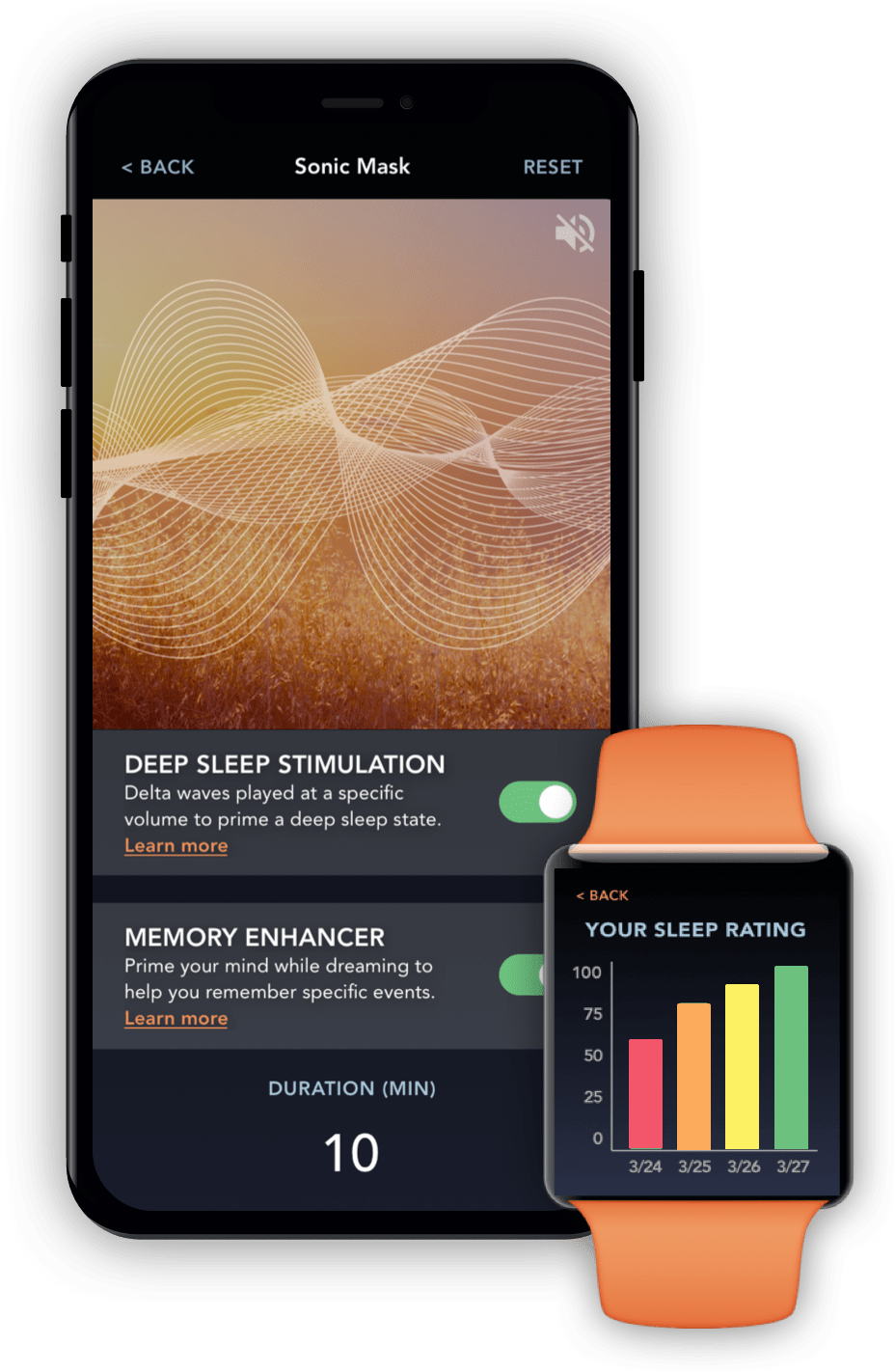
The useful distinction here is between being asleep and being truly rebuilt by the night. Strategic naps can restore more than people expect when the alternative is trying to grind through a biologically low period. That is where SleepSpace becomes more useful than a static score alone: it can help you see the pattern more clearly and, when appropriate, respond in real time with sound and light changes while the night is still unfolding. [6]
In real life: Training can improve sleep, but hard evening sessions, under-fueling, or late stimulants can also push it the other way. Track recovery around training load rather than assuming more effort always means deeper sleep.
What this often looks like
Common signals in real life
- You already has a comparatively strong base and may be optimizing rather than troubleshooting.
- Performance, deep recovery, dream richness, or intentional sleep practice often define the experience.
- The risk is not only losing good sleep, but losing the habits that quietly support it.
- These patterns are strongest when tracked over time rather than judged from one unusually good or bad night.
Why this page exists
What makes Lion distinct
The copy here should sound like refinement, not rescue.
Use SleepSpace to protect the recovery rituals that keep performance sustainable. Focus on consistency, training-day recovery patterns, and environmental cues that support deep sleep.
Scientific read
The best sleep papers in this lane are useful because they describe what high-functioning sleep is doing well: stable continuity, strong recovery, and enough depth to support the next day. That does not mean perfect scores every night. It means you have a resilient baseline that can be protected and tuned instead of constantly rebuilt from scratch. Performance and recovery papers also help here because they show how sleep quality shapes focus, mood, athletic output, and resilience even in otherwise healthy people. The practical lesson is to defend what is already working before subtle erosion becomes a more obvious problem. [7] [10] [13] [16] [19]
High-functioning sleepers benefit from seeing the early drift, not just the late collapse. The highest-quality sleepers are worth studying because the literature treats strong recovery like an asset that can be maintained intelligently, not just admired after the fact. That turns the job into protecting the habits and environment that keep sleep deep, regular, and quietly high-performing. Some of the most interesting work in this area suggests the sleeping brain is still actively strengthening what matters and clearing what does not. [8] [11] [14] [17] [20]
Recovery-focused papers keep showing the same thing: a strong baseline is something to protect before it slips, not chase after it is gone. Deep-sleep papers matter here because they connect restoration to what the brain is doing during the night, not just how long you stayed in bed. Strategic naps can restore more than people expect when the alternative is trying to grind through a biologically low period. The room itself can become the bottleneck when sound or unpredictability keeps the nervous system slightly on guard. [9] [12] [15] [18]
Tracking and wearables
What data often helps separate this pattern from nearby ones
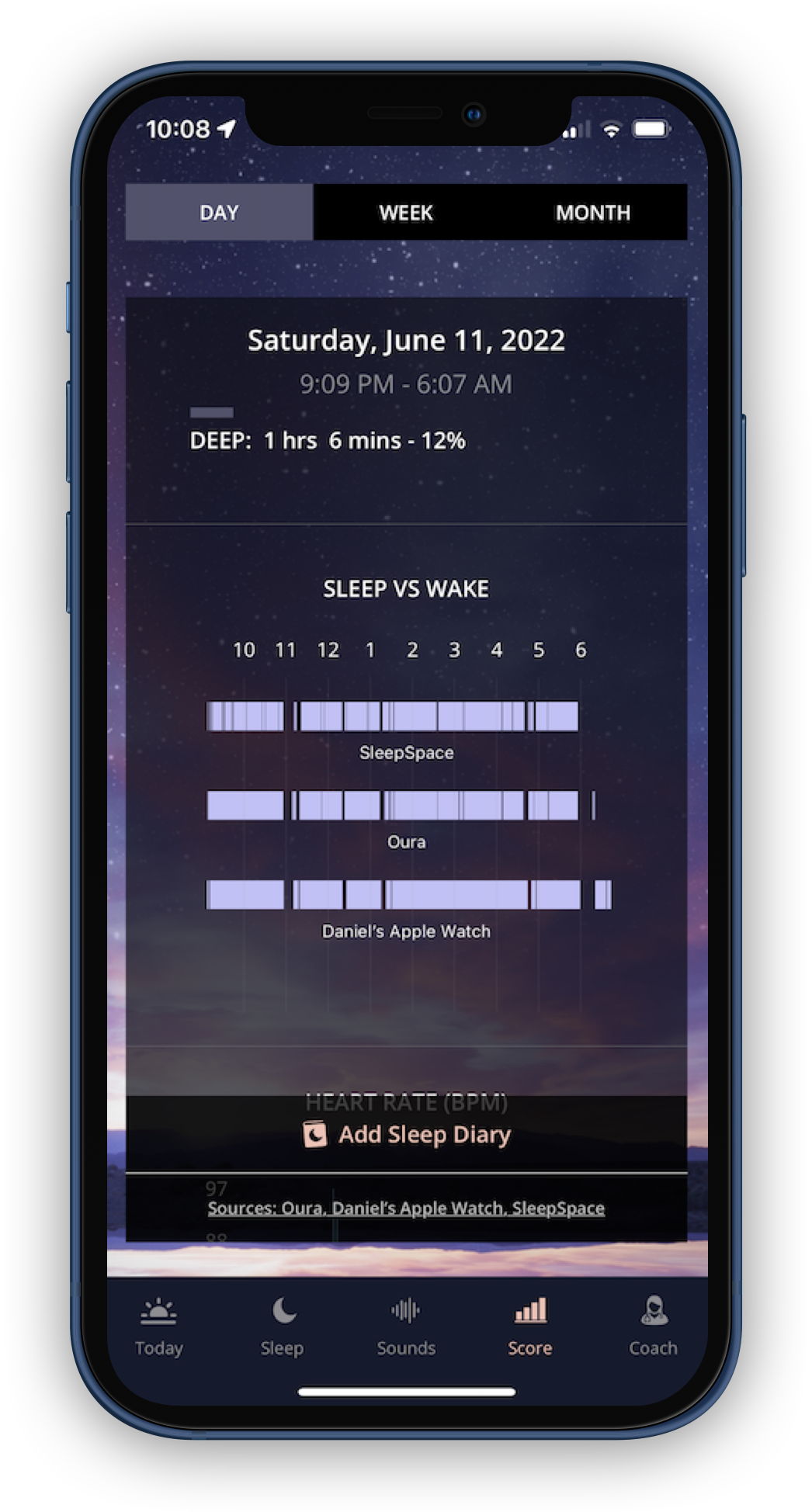
The most useful data usually combine diary context with wearables: consistency, recovery trends, overnight fragmentation, timing, and whether your subjective readiness matches the objective-looking night. [1] [13]
Compare the data with morning energy and the habits that came before bed. A trend is more useful when you also know how the night felt. [11] [13] [12]
SleepSpace app features
Use these tools if you want to improve this pattern instead of just reading about it
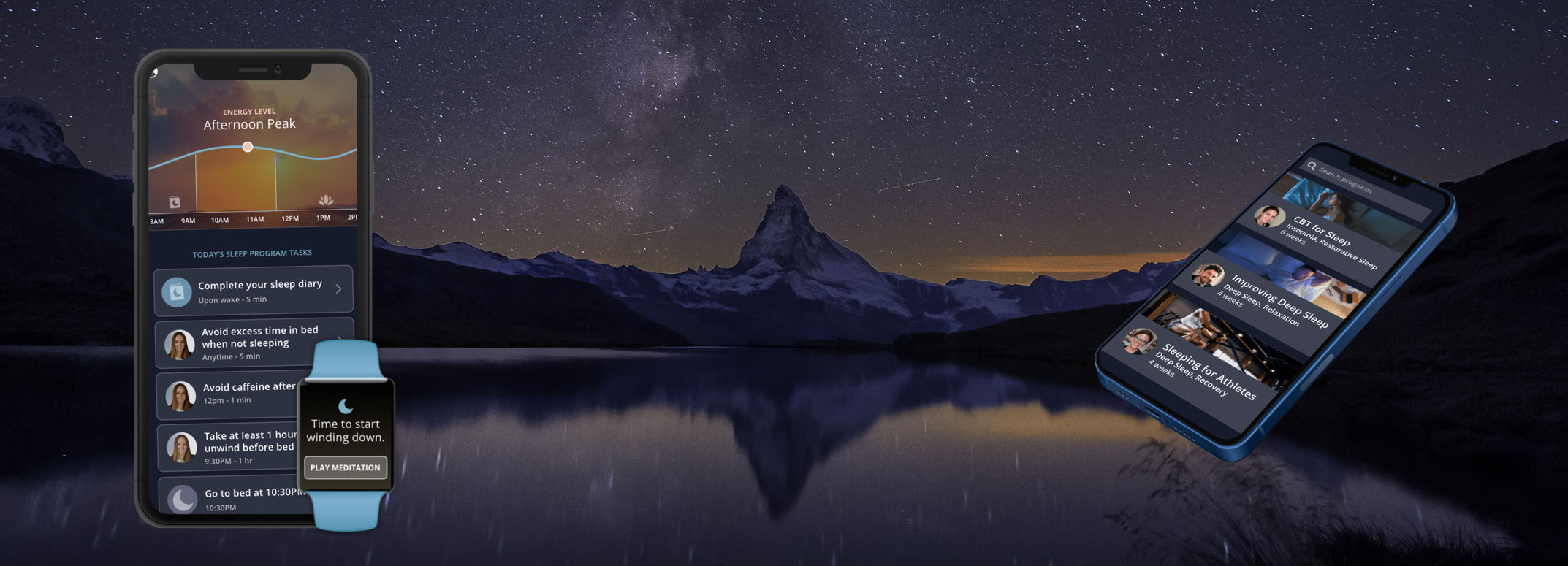
Start with the assessment, download the app, and use the features below to turn this sleep animal into a practical plan.
SleepSpace feature
Sleep assessment
Start here if you want a clearer read on your sleep animal, your main bottlenecks, and what to work on first.
Learn how to use it
SleepSpace feature
Recovery trends
Use recovery trends when you care about restoration, readiness, deep-sleep quality, or whether your plan is paying off.
Learn how to use it
SleepSpace feature
Weekly sleep stats
Use weekly trends to see whether you are actually improving instead of judging everything from one rough night.
Learn how to use it
SleepSpace resources
SleepSpace resources that fit this pattern
Use these practical guides and tools to understand this sleep pattern and choose a useful next step.
SleepSpace article
SleepSpace learning hub
A broad SleepSpace article library that can serve as the hub resource on every page.
SleepSpace article
SleepSpace science page
Useful when the page needs a product-adjacent evidence destination.
SleepSpace article
Tracking and wearables guide
Useful for pages that emphasize data quality, sleep diaries, and wearables.
SleepSpace article
SleepSpace Phone system
Useful for pages that talk about integrated tracking, environment control, and bedside sleep technology.
FAQ
Questions Dr. Dan would expect about this animal
Quick answers to the questions people usually ask when this sleep pattern feels familiar.
What does the Lion sleep animal mean?
This pattern fits people who push hard physically and then drop into unusually restorative sleep. You may train intensely, stay highly active, or demand a lot from your body during the day, but your nights appear to answer with deep, efficient recovery. The opportunity here is not fixing broken sleep. It is preserving the habits that let high output and deep restoration reinforce each other. In many ways, this pattern represents sleep functioning as a true extension of elite training. Sleep can be shaped by schedule, stress load, sleep environment, body signals, and what happens the following day. Looking for repeatable changes across several nights makes it easier to identify a useful next step.
What should you track if this lion pattern sounds like you?
The most useful data usually combine diary context with wearables: consistency, recovery trends, overnight fragmentation, timing, and whether your subjective readiness matches the objective-looking night. [1] [13] Start with the SleepSpace sleep assessment and then use the app to watch what happens to timing, continuity, symptoms, and next-day recovery over time.
When should you get extra help for lion-style sleep problems?
If this pattern is getting more intense, affecting safety, or leaving you persistently exhausted, treat this page as educational and talk with a doctor or sleep specialist. SleepSpace can help you organize the pattern, but medical concerns still deserve medical care.
Important note
Protect elite physical recovery
The pattern language is educational and pattern-based. It becomes most useful when paired with trend data, practical experimentation, and medical follow-up when symptoms are severe, persistent, or safety-relevant.
SleepSpace helps high-output sleepers preserve deep recovery, consistency, and next-day readiness.
Research references
Research behind these sleep insights
Show citations (20)
- Keller et al. (2015). Earlier School Start Times as a Risk Factor for Poor School Performance: An Examination of Public Elementary Schools in the Commonwealth of Kentucky.
Feeling used to a short sleep schedule does not always mean attention, mood, and reaction time have recovered.
Full article - Wu et al. (2015). Low physical activity and high screen time can increase the risks of mental health problems and poor sleep quality among Chinese college students.
The useful distinction here is between being asleep and being truly rebuilt by the night.
Full article - Friedl et al. (2004). Research requirements for operational decision-making using models of fatigue and performance.
This trial is especially relevant because strategic naps can restore more than people expect when the alternative is trying to grind through a biologically low period.
Full article - Messier et al. (2011). Glucose regulation is associated with cognitive performance in young nondiabetic adults.
Recovery-focused papers keep showing the same thing: a strong baseline is something to protect before it slips, not chase after it is gone.
Full article - Ju et al. (2013). Sleep quality and preclinical Alzheimer disease.
Actigraphy papers keep showing how much you learn when timing, duration, and fragmentation are tracked over enough nights to reveal the real pattern.
Full article - Javaheri et al. (2008). Sleep Quality and Elevated Blood Pressure in Adolescents.
Actigraphy papers keep showing how much you learn when timing, duration, and fragmentation are tracked over enough nights to reveal the real pattern.
Full article - Stickgold et al. (2005). Sleep-dependent memory consolidation.
Some of the most interesting work in this area suggests the sleeping brain is still actively strengthening what matters and clearing what does not.
Full article - Holdstock et al. (2005). Item recognition is less impaired than recall and associative recognition in a patient with selective hippocampal damage.
Recovery-focused papers keep showing the same thing: a strong baseline is something to protect before it slips, not chase after it is gone.
Full article - Takeyama et al. (2004). Effects of the length and timing of nighttime naps on task performance and physicalal function.
This trial is especially relevant because deep-sleep papers matter here because they connect restoration to what the brain is doing during the night, not just how long you stayed in bed.
Full article - Bruck et al. (1997). The effects of sleep inertia on decision-making performance.
Strategic naps can restore more than people expect when the alternative is trying to grind through a biologically low period.
Full article - Rutenfranz et al. (1979). Circadian rhythms in human performance.
Recovery-focused papers keep showing the same thing: a strong baseline is something to protect before it slips, not chase after it is gone.
Full article - Maatta et al. (2010). The effects of morning training on night sleep: a behavioral and EEG study.
Deep-sleep papers matter here because they connect restoration to what the brain is doing during the night, not just how long you stayed in bed.
Full article - Mallis et al. (2005). Circadian rhythms, sleep, and performance in space.
This review is useful because the room itself can become the bottleneck when sound or unpredictability keeps the nervous system slightly on guard.
Full article - Hellmich et al. (2015). Genetics, sleep and memory: a recall-by-genotype study of ZNF804A variants and sleep neurophysiology.
Strategic naps can restore more than people expect when the alternative is trying to grind through a biologically low period.
Full article - Montgomery-Downs et al. (2010). Infant feeding methods and maternal sleep and daytime functioning.
This review is useful because small thermal disruptions can keep sleep lighter than the clock would suggest, especially in the second half of the night.
Full article - Adolescent Sleep Working Group et al. (2014). School start times for adolescents.
This review is useful because deep sleep is not just about logging enough hours; it is where the night often becomes truly restorative.
Full article - Scott et al. (2015). The Effects of Stress on Cognitive Aging, Physiology and Emotion (ESCAPE) Project.
Strategic naps can restore more than people expect when the alternative is trying to grind through a biologically low period.
Full article - Monk et al. (2006). Circadian factors during sustained performance, background and methodology.
This review is useful because a recurring finding in the sleep-loss literature is that people feel more adapted than their attention, mood, and reaction time really are.
Full article - Van Dongen et al. (2007). Confidence intervals for individualized performance models.
This trial is especially relevant because recovery-focused papers keep showing the same thing: a strong baseline is something to protect before it slips, not chase after it is gone.
Full article - Venker et al. (2007). Normative psychomotor vigilance task performance in children ages 6 to 11-the Tucson Children's Assessment of Sleep Apnea (TuCASA).
This trial is especially relevant because a rough morning can come from repeated breathing strain and micro-disruption even when you do not remember many awakenings.
Full article
Nearby profiles
Other animals in the same neighborhood

Related animal
Stag
Recovery Alchemist
You treat sleep as a lever for energy, consciousness, and whole-system restoration.

Related animal
Crane
Zen Meditator
Calm is not something you chase at night. It is something you have trained.

Related animal
Raven
Cognitive Marathoner
Your brain works hard, and your sleep seems designed to restore it.