
Airway, Environment, and Physical Load phenotype
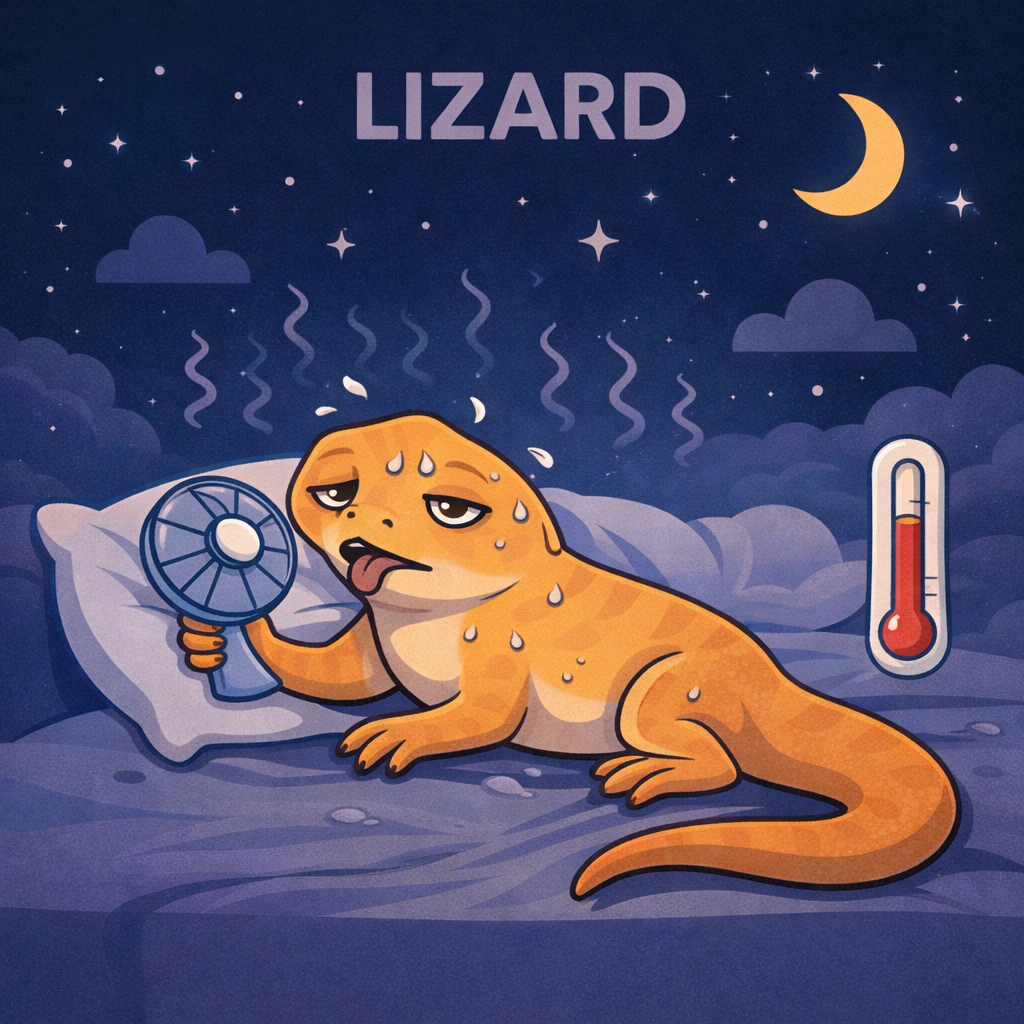
Lizard: Heat Kicker
Your nights may be getting interrupted by temperature, sweating, or heat buildup.
The recurring theme here is that the body or the room keeps breaking the night apart: breathing strain, pain, heat, noise, movement, or bed-partner disruption.
Interpretation
How to read this phenotype
Your nights may be getting interrupted by temperature, sweating, or heat buildup. [1] [2]
Read this phenotype by asking what keeps breaking continuity. If breathing effort, sound, pain, movement, or temperature keeps pulling the body upward, the morning can feel much worse than the clock suggests. This group usually improves once the main disruptor gets named clearly. Generic sleep tips matter less when the real bottleneck is physical, positional, or environmental. Small thermal disruptions can keep sleep lighter than the clock would suggest, especially in the second half of the night. [3] [4] [5]
Deep-sleep papers matter here because they connect restoration to what the brain is doing during the night, not just how long the sleeper stayed in bed. That is where SleepSpace becomes more useful than a static score alone: it can help you see the pattern more clearly and, when appropriate, respond in real time with sound and light changes while the night is still unfolding. [6]
What this often looks like
Common signals in real life
- Your nights may be getting interrupted by temperature, sweating, or heat buildup.
- The body or the room keeps disturbing the night, even if total time in bed looks adequate.
- The sleeper may not always recognize the night as fragmented until daytime restoration drops.
- Not every page in this cluster implies the same level of medical urgency, but many benefit from screening.
- Environment, position, pain load, sound, and partner factors can all amplify the core problem.
Why this page exists
What makes Lizard distinct
This cluster needs practical realism: some causes are behavioral, some need screening, and many overlap.
Cool the room, simplify bedding, and support smoother nighttime temperature regulation. SleepSpace can help by pairing routines and environmental support to create a more stable sleep window.
Scientific read
These profiles are often about fragmentation happening below awareness. The sleeper may not remember many long awakenings, yet the night still keeps stepping out of deeper recovery. Breathing papers matter because airway strain can hide behind snoring, dry mouth, morning heaviness, headaches, or a partner’s observations rather than dramatic self-reported wake-ups. Environmental and physical-disruption papers matter because temperature, pain, movement, and noise can create the same under-restored morning without looking identical on the surface. This is why the right question is not just whether you slept. It is what kept nudging the body out of stable recovery over and over again. [7] [10] [13]
A practical theme in this literature is that position, sound, and physical setup can change the night more than people expect. These papers are useful because they explain how a night can be disrupted below awareness. The sleeper may not recall long awakenings, yet the body keeps getting tugged out of deeper recovery. That is why sound, position, pain, heat, breathing effort, and partner observations all matter here instead of just the total hours in bed. Deep sleep is not just about logging enough hours; it is where the night often becomes truly restorative. [8] [11] [14]
Deep-sleep papers matter here because they connect restoration to what the brain is doing during the night, not just how long the sleeper stayed in bed. Strategic naps can restore more than people expect when the alternative is trying to grind through a biologically low period. Timing matters more than force here: the same tool can help or backfire depending on when it is used. The room itself can become the bottleneck when sound or unpredictability keeps the nervous system slightly on guard. [9] [12] [15]
Tracking and wearables
What data often helps separate this pattern from nearby ones
For these pages, useful data include sound events, snoring patterns, room conditions, awakenings, position notes, partner disturbance, and how often the sleeper wakes unrefreshed despite apparently adequate time in bed. [5] [11]
SleepSpace's own tracking and wearables articles are especially relevant for these pages because they reinforce the difference between a one-night impression and an interpretable pattern. That is useful for every phenotype, but it becomes essential when the mechanism changes with context. [9] [11] [10]
SleepSpace app features
Use these tools if you want to improve this pattern instead of just reading about it
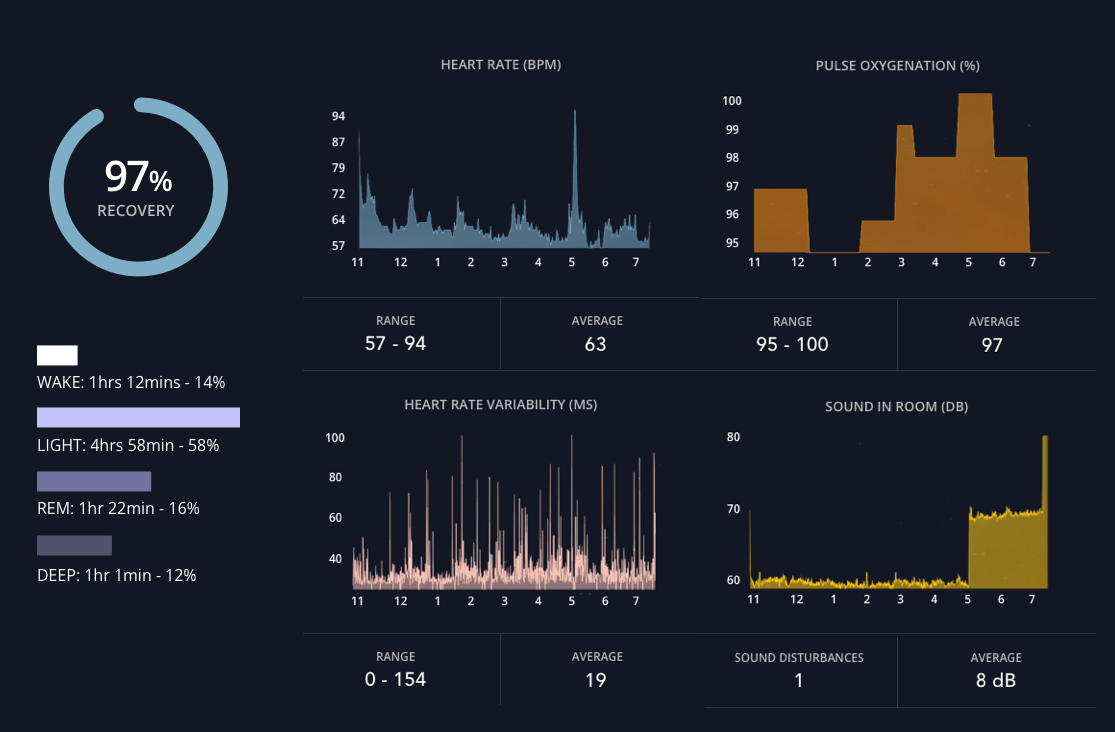
Start with the assessment, download the app, and use the features below to turn this sleep animal into a practical plan.
SleepSpace feature
Sleep assessment
Start here if you want a clearer read on your sleep animal, your main bottlenecks, and what to work on first.
Learn how to use it
SleepSpace feature
Sleep diary
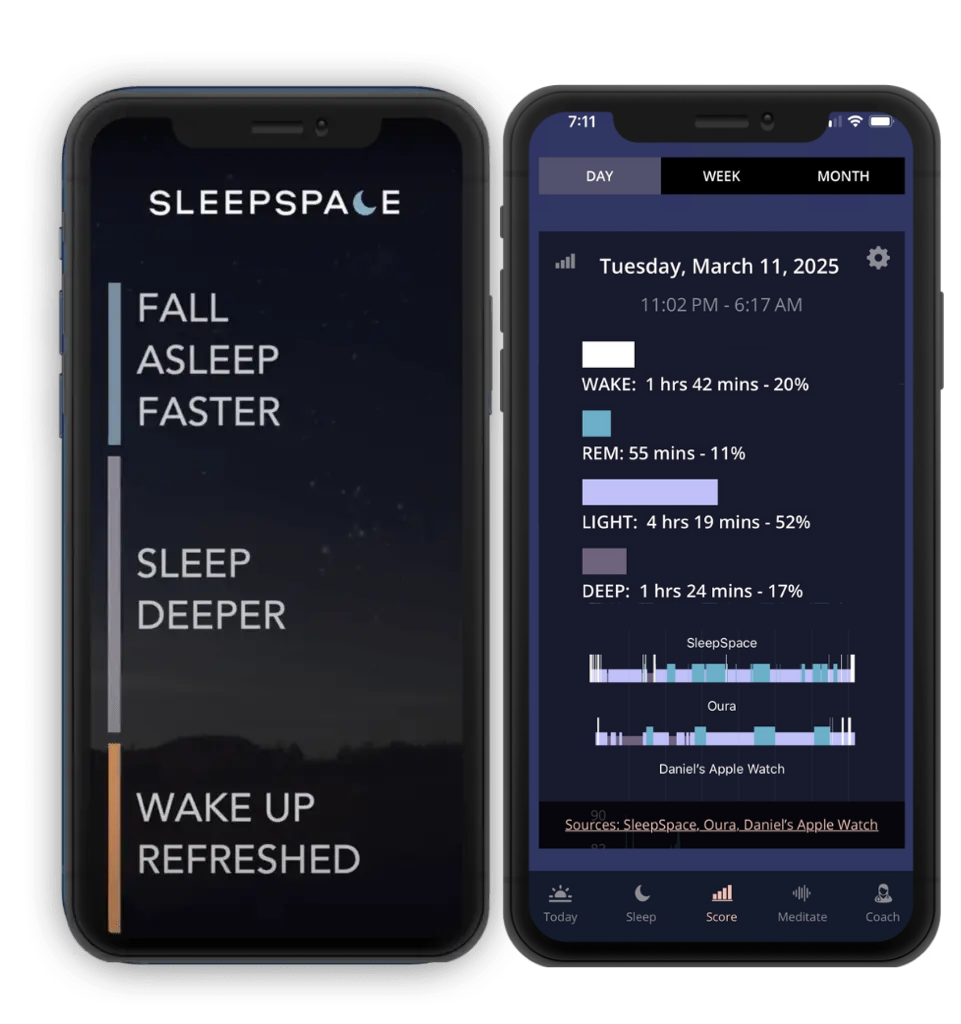
Use the diary to catch patterns in timing, awakenings, stress, recovery, and what actually changed from one night to the next.
Learn how to use it
SleepSpace feature
Weekly sleep stats
Use weekly trends to see whether you are actually improving instead of judging everything from one rough night.
Learn how to use it
SleepSpace resources
SleepSpace resources that fit this phenotype
These were selected by spidering SleepSpace topic pages and product resources that match the mechanism cluster behind this animal.
SleepSpace article
SleepSpace learning hub
A broad SleepSpace article library that can serve as the hub resource on every page.
SleepSpace article
SleepSpace science page
Useful when the page needs a product-adjacent evidence destination.
SleepSpace article
Snoring and breathing tracking guide
Useful for airway, snoring, and breathing-disruption pages.
SleepSpace article
Sound masking guide
Useful for noise, partner, and light-sleeper pages.
SleepSpace article
Tracking and wearables guide
Useful for pages that emphasize data quality, sleep diaries, and wearables.
SleepSpace article
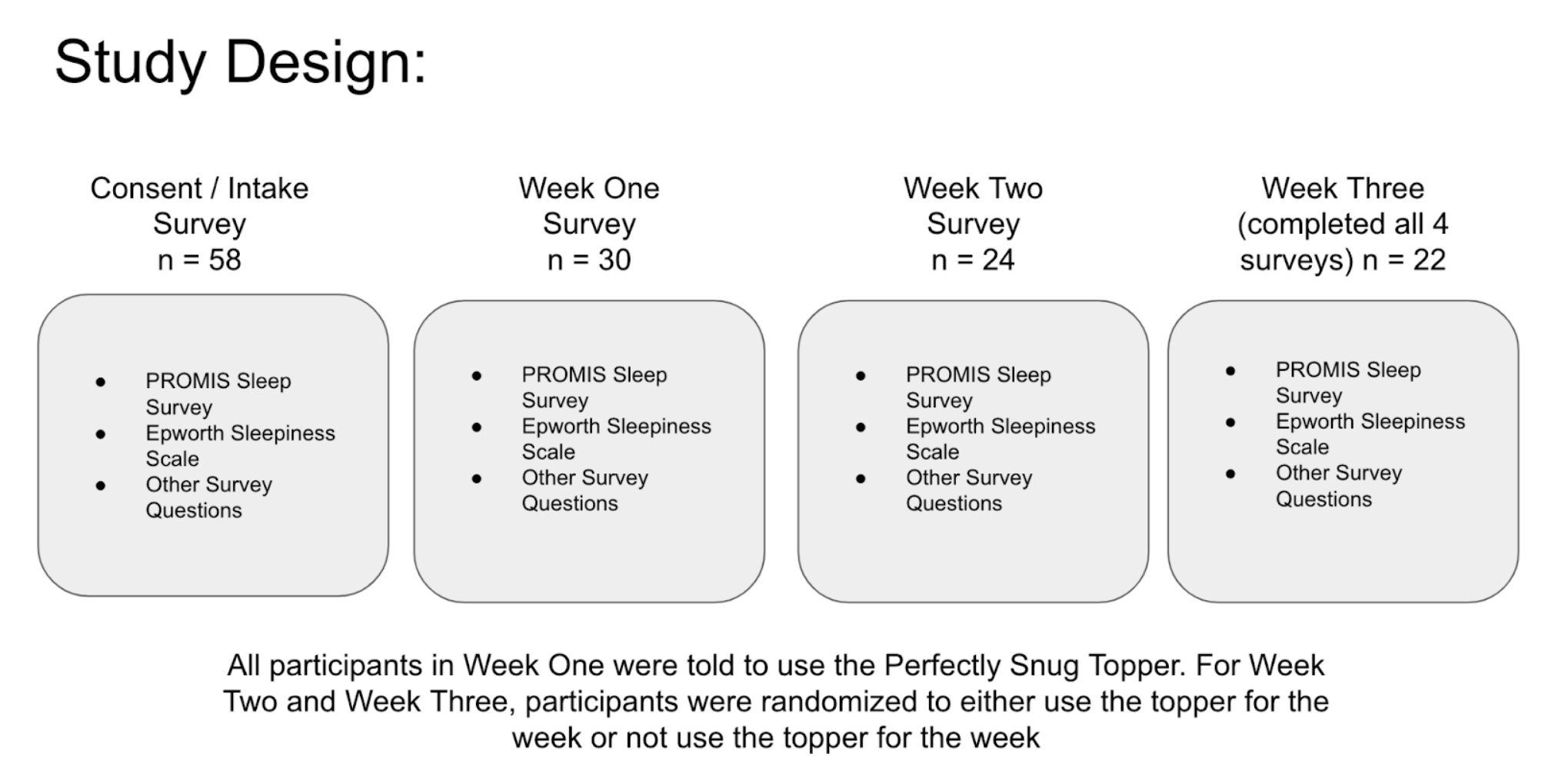
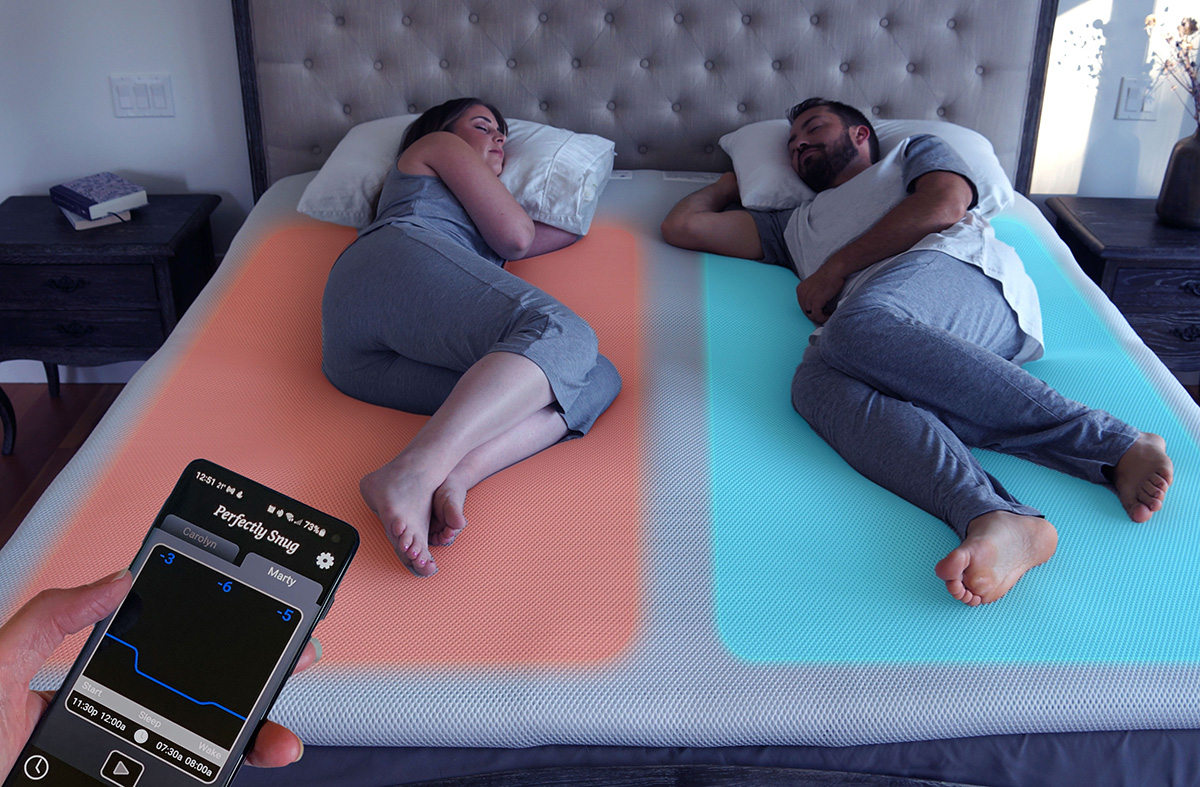
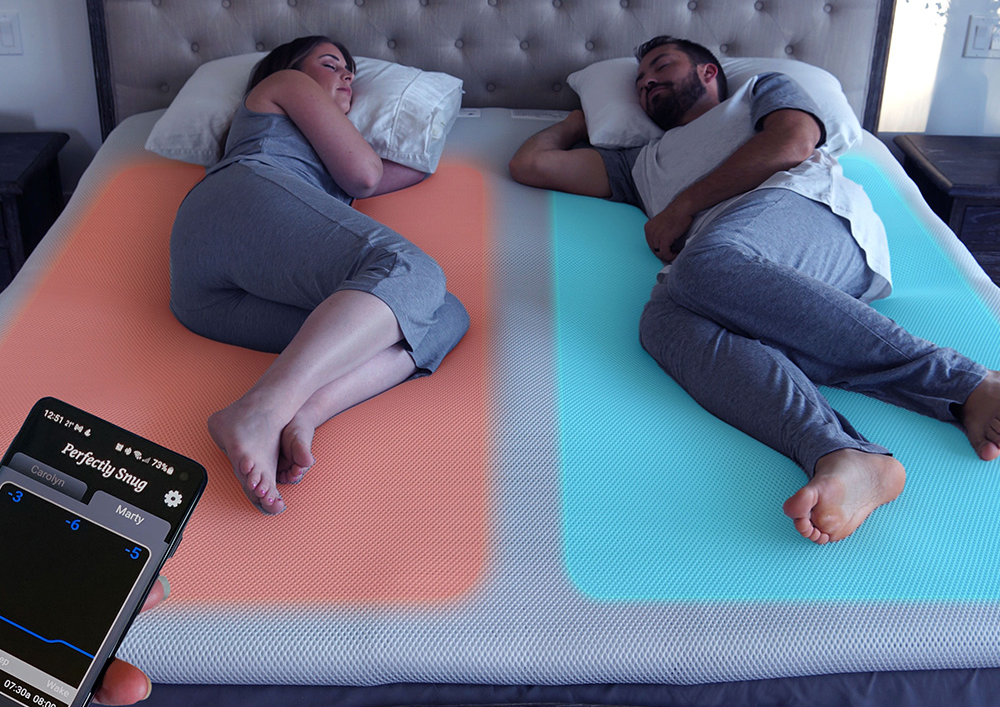
Perfectly Snug temperature study
Useful for temperature-sensitive phenotypes that need a more concrete cooling and thermal-regulation resource.
FAQ
Questions Dr. Dan would expect about this animal
Quick answers to the questions people usually ask when this sleep pattern feels familiar.
What does the Lizard sleep animal mean?
Waking up sweaty or too warm can quietly degrade sleep quality and make the night feel less stable. Even small thermal discomfort can increase awakenings and keep deeper sleep from fully consolidating. Many people do not realize how much temperature is shaping their sleep until they change it. Your next step is to make the environment work with your body instead of against it. Cooler, steadier nights often create outsized gains for this phenotype because temperature keeps nudging sleep back toward the surface. This long-form page treats Lizard as a sleep phenotype: a memorable wrapper around a recurring pattern that likely clusters across schedule, physiology, stress load, and next-day restoration. The goal is not to claim a formal diagnosis. The goal is to make the likely mechanism more understandable and the next step more obvious. This is educational guidance to help you recognize the pattern, not a medical diagnosis.
What should you track if this lizard pattern sounds like you?
For these pages, useful data include sound events, snoring patterns, room conditions, awakenings, position notes, partner disturbance, and how often the sleeper wakes unrefreshed despite apparently adequate time in bed. [5] [11] Start with the SleepSpace sleep assessment and then use the app to watch what happens to timing, continuity, symptoms, and next-day recovery over time.
When should you get extra help for lizard-style sleep problems?
If this pattern is getting more intense, affecting safety, or leaving you persistently exhausted, treat this page as educational and talk with a doctor or sleep specialist. SleepSpace can help you organize the pattern, but medical concerns still deserve medical care.
Important note
Cool the room, calm the night
If loud snoring, observed breathing pauses, gasping, severe daytime sleepiness, or blood-pressure concerns are part of the story, a formal sleep evaluation matters. These pages can orient the sleeper, but they do not replace diagnostic workup for sleep-disordered breathing. [7]
SleepSpace helps you turn a disruptive sleep environment into one that supports deeper, steadier rest.
Research references
Selected citations for this page
Show citations (15)
- Athanassenas et al. (1981). Sleep analysis of ASSESS II.
This review is useful because small thermal disruptions can keep sleep lighter than the clock would suggest, especially in the second half of the night.
Full article - Kim et al. (2007). Risk factors, health risks, and risk management for aircraft personnel and frequent flyers.
This review is useful because small thermal disruptions can keep sleep lighter than the clock would suggest, especially in the second half of the night.
Full article - Okamoto-Mizuno et al. (2005). Effects of partial humid heat exposure during different segments of sleep on human sleep stages and body temperature.
Deep-sleep papers matter here because they connect restoration to what the brain is doing during the night, not just how long the sleeper stayed in bed.
Full article - Harrison et al. (2000). The impact of sleep deprivation on decision making: A review.
This trial is especially relevant because a recurring finding in the sleep-loss literature is that people feel more adapted than their attention, mood, and reaction time really are.
Full article - Parks et al. (2009). Screening for obstructive sleep apnea during commercial driver medical examinations.
A rough morning can come from repeated breathing strain and micro-disruption even when the sleeper does not remember many awakenings.
Full article - Sorensen et al. (2011). The role of the work context in multiple wellness outcomes for hospital patient care workers.
The room itself can become the bottleneck when sound or unpredictability keeps the nervous system slightly on guard.
Full article - Videan et al. (2006). Sleep in captive chimpanzee (Pan troglodytes): The effects of individual and environmental factors on sleep duration and quality.
This trial is especially relevant because deep sleep is not just about logging enough hours; it is where the night often becomes truly restorative.
Full article - Schabus et al. (2012). The fate of incoming stimuli during NREM sleep is determined by spindles and the phase of the slow oscillation.
Deep-sleep papers matter here because they connect restoration to what the brain is doing during the night, not just how long the sleeper stayed in bed.
Full article - Hinckson et al. (2017). Associations of the perceived and objective neighborhood environment with physical activity and sedentary time in New Zealand adolescents.
Strategic naps can restore more than people expect when the alternative is trying to grind through a biologically low period.
Full article - Nakahara et al. (2003). Effects of microinjection of melatonin into various brain regions of Japanese quail on locomotor activity and body temperature.
Timing matters more than force here: the same tool can help or backfire depending on when it is used.
Full article - Schultz et al. (1978). Synthesis of social surveys on noise annoyance.
This review is useful because the room itself can become the bottleneck when sound or unpredictability keeps the nervous system slightly on guard.
Full article - Rosekind et al. (1990). Modification of the medilog 9000-II recorder to reduce 400 HZ noise in the cockpit environment.
The room itself can become the bottleneck when sound or unpredictability keeps the nervous system slightly on guard.
Full article - Donohue et al. (2011). Continuous Re-Exposure to Environmental Sound Cues During Sleep Does Not Improve Memory for Semantically Unrelated Word Pairs.
Strategic naps can restore more than people expect when the alternative is trying to grind through a biologically low period.
Full article - Ellis et al. (2014). Identifying Active Travel Behaviors in Challenging Environments Using GPS, Accelerometers, and Machine Learning Algorithms.
The room itself can become the bottleneck when sound or unpredictability keeps the nervous system slightly on guard.
Full article - Hale et al. (2015). Recent Updates in the Social and Environmental Determinants of Sleep Health.
This review is useful because the room itself can become the bottleneck when sound or unpredictability keeps the nervous system slightly on guard.
Full article
Nearby profiles
Other animals in the same neighborhood
Related animal
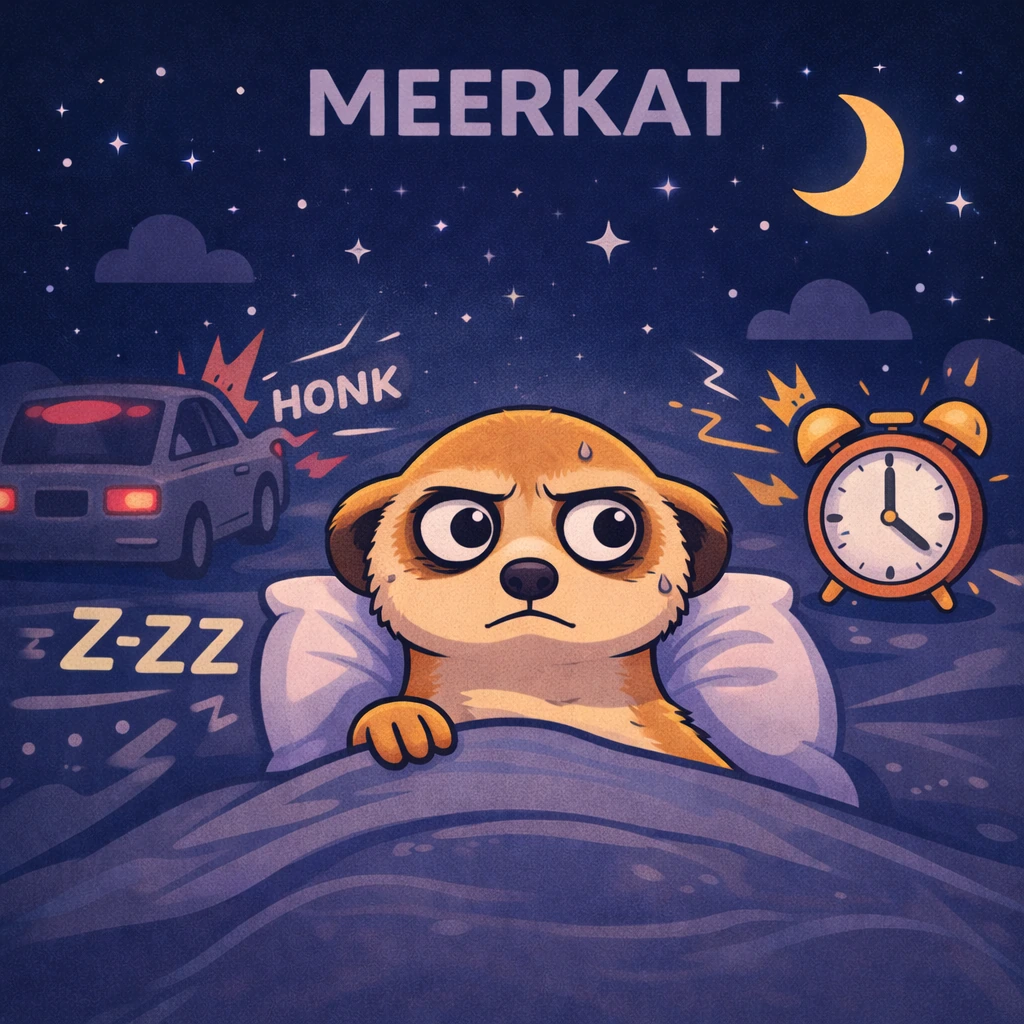
Meerkat
Noise Guard
Your sleep stays on alert for the next disturbance.
Related animal
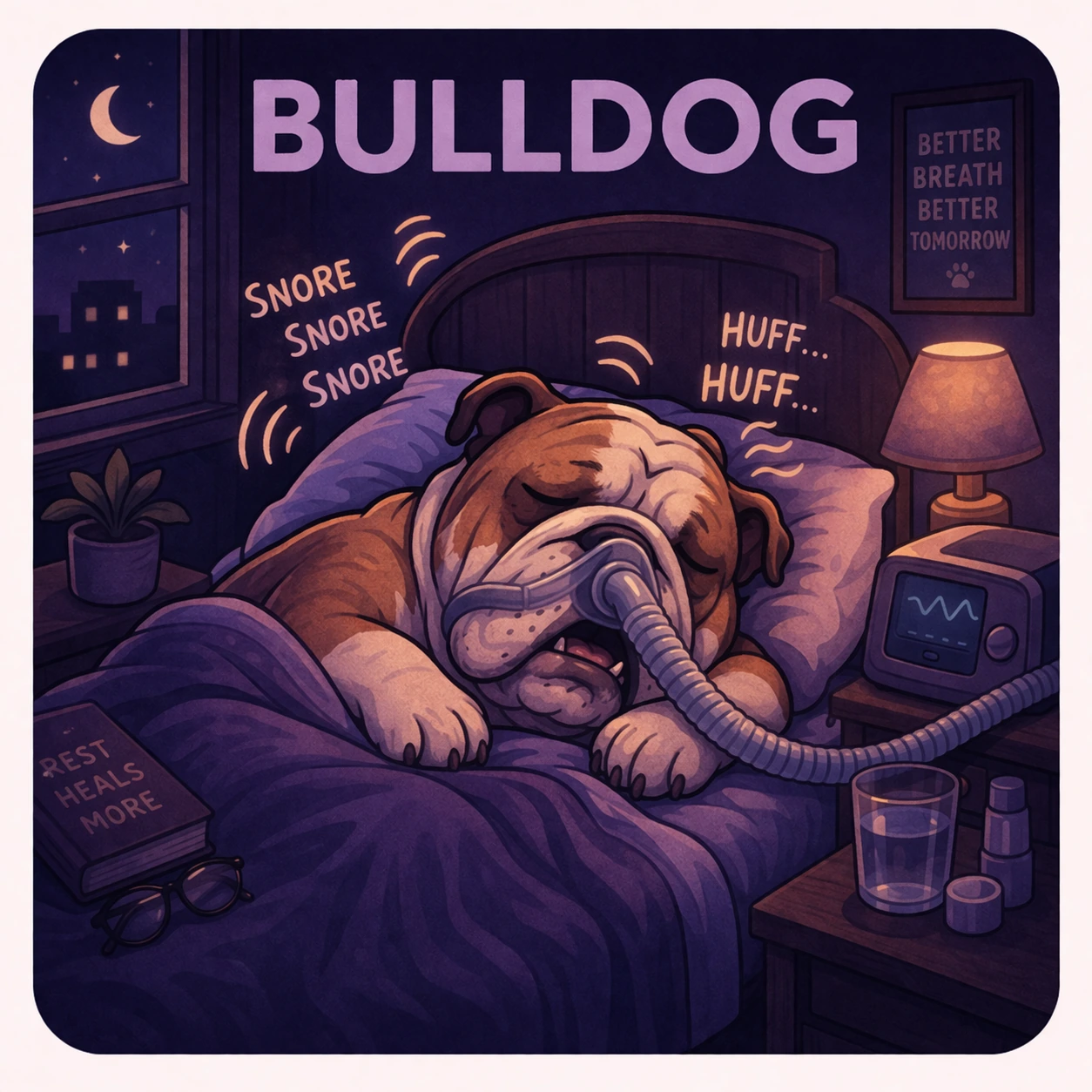
Bulldog
Airway Clencher
Your sleep may be getting disrupted by breathing, snoring, or nighttime airway strain.
Related animal
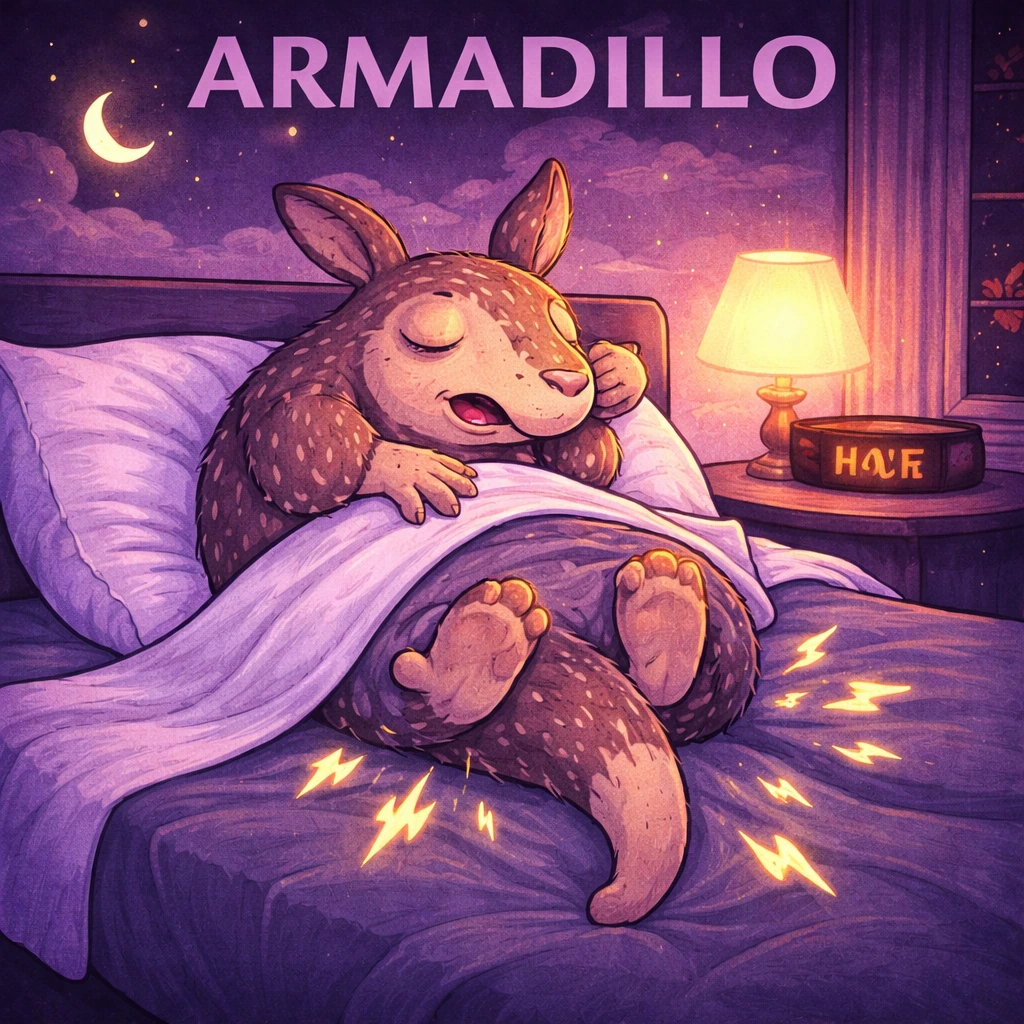
Armadillo
Restless-Legs Sleeper
Your body may be asking you to move right when you want it to settle.