
Quantity and Life Constraints phenotype
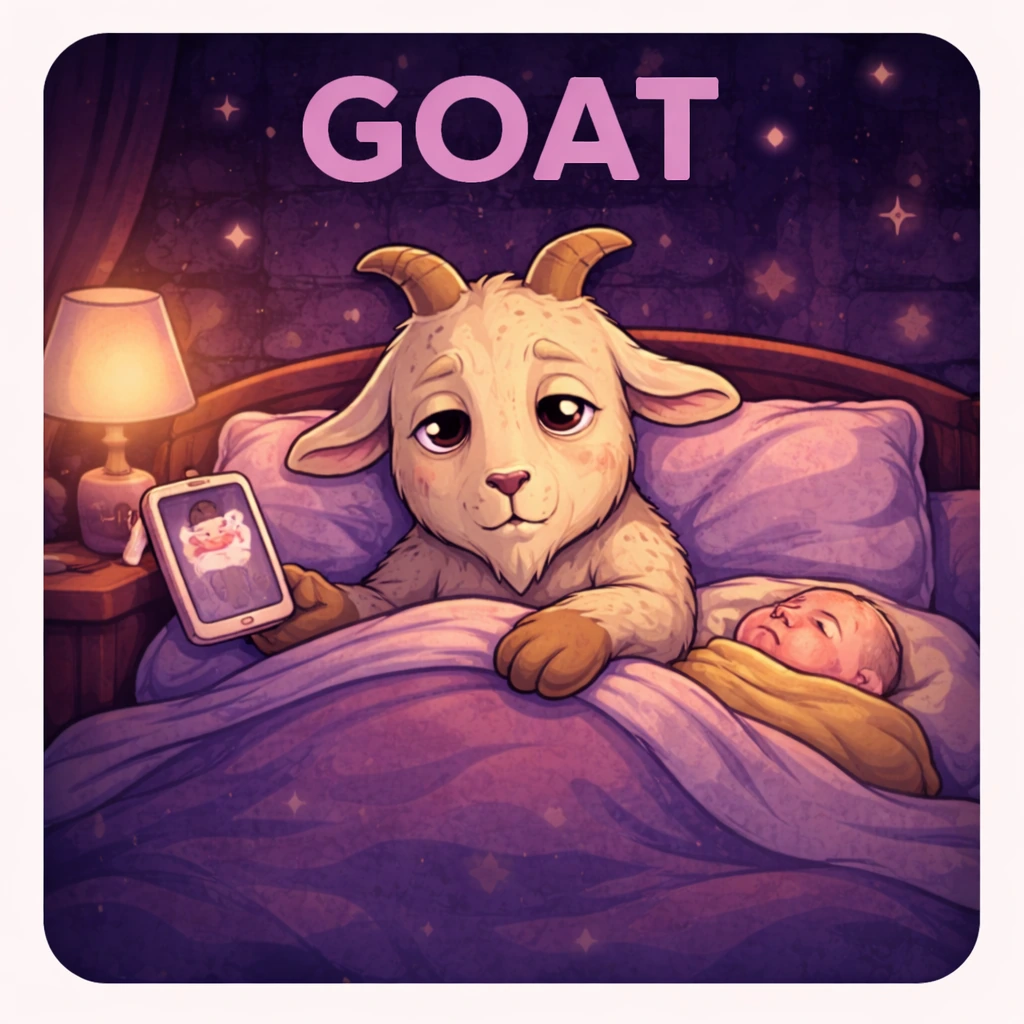
Goat: Caregiver Sleeper
Your sleep is carrying more than your own needs.
These animals often can sleep, but are not consistently given enough opportunity to recover because life is overbooked, interrupted, or compressed.
Interpretation
How to read this phenotype
Your sleep is carrying more than your own needs. [1] [2]
Read this phenotype as a recovery squeeze. Many people here are not failing at sleep so much as trying to recover inside windows that are simply too small or too interrupted. That matters because you can normalize feeling under-recovered surprisingly quickly. The more useful question is often how much real sleep opportunity is available and what keeps cutting into it. A recurring finding in the sleep-loss literature is that people feel more adapted than their attention, mood, and reaction time really are. [3] [4] [5]
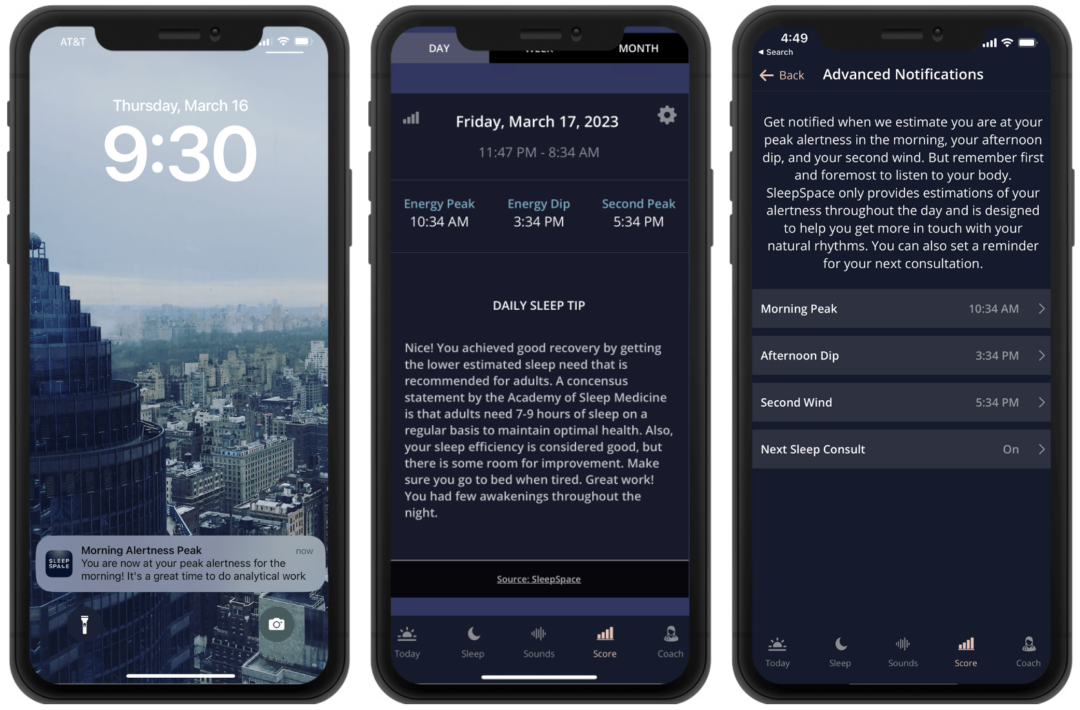
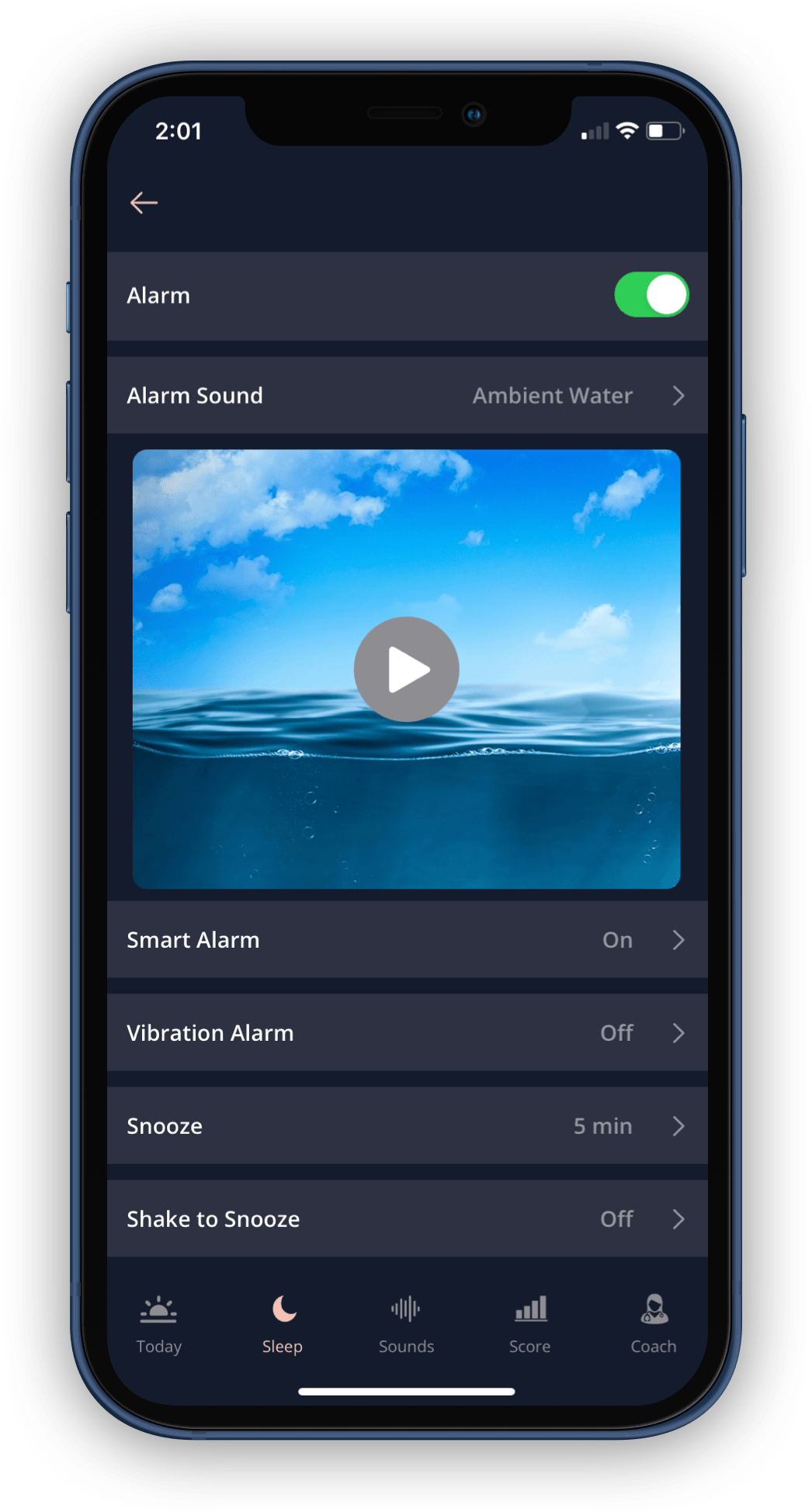
That is where SleepSpace becomes more useful than a static score alone: it can help you see the pattern more clearly and, when appropriate, respond in real time with sound and light changes while the night is still unfolding. [6]
What this often looks like
Common signals in real life
- Your sleep is carrying more than your own needs.
- Sleep opportunity is often squeezed by workload, parenting, commuting, or care responsibilities.
- Fatigue can become normalized because the sleeper is highly functional under load.
- Random catch-up sleep rarely feels as good as a more protected baseline schedule.
- The phenotype improves when recovery is scheduled deliberately rather than borrowed.
Why this page exists
What makes Goat distinct
These pages should make it clear that some tired sleepers are not disordered so much as under-recovered.
Start with stabilizing what you can control. SleepSpace can help you build a dependable wind-down, improve sleep continuity, and create pockets of recovery inside a demanding routine.
Scientific read
The restriction literature is blunt about one thing: people adapt subjectively to sleep loss faster than they recover cognitively. You can get used to being under-recovered and still perform below your own normal. That is why these pages lean so heavily on sleep opportunity. If the window is too small, the first intervention is often protective time rather than another optimization hack. Work-family and schedule-control studies matter here because they show sleep is not only an individual choice problem. Structure and daily load shape the size and quality of the recovery window. This is also where rebound patterns start to make sense. Many people only realize how compressed the routine has been when a free day finally lets the body show what it was missing. [7] [10] [13] [16]
The practical move is to protect recovery time first and then use data to see whether the night itself is also being disrupted. The short-sleep literature is blunt: people can normalize under-recovery faster than they actually recover. Mood, judgment, appetite, and reaction time often keep paying the price quietly. This is the phenotype family where recovery opportunity itself is often the first intervention, not the last thing you try after more complicated hacks. A recurring finding in the sleep-loss literature is that people feel more adapted than their attention, mood, and reaction time really are. [8] [11] [14] [17]
The restriction literature is blunt about one thing: people adapt subjectively to sleep loss faster than they recover cognitively. You can get used to being under-recovered and still perform below your own normal. That is why these pages lean so heavily on sleep opportunity. If the window is too small, the first intervention is often protective time rather than another optimization hack. Work-family and schedule-control studies matter here because they show sleep is not only an individual choice problem. Structure and daily load shape the size and quality of the recovery window. This is also where rebound patterns start to make sense. Many people only realize how compressed the routine has been when a free day finally lets the body show what it was missing. [9] [12] [15] [18]
Tracking and wearables
What data often helps separate this pattern from nearby ones
The tracking goal is to expose where recovery is actually being lost. Time in bed, total sleep time, naps, rebound weekends, and variation across high-load versus low-load days usually matter more than intricate stage interpretation. [2] [13]
SleepSpace's own tracking and wearables articles are especially relevant for these pages because they reinforce the difference between a one-night impression and an interpretable pattern. That is useful for every phenotype, but it becomes essential when the mechanism changes with context. [11] [13] [12]
SleepSpace app features
Use these tools if you want to improve this pattern instead of just reading about it
Start with the assessment, download the app, and use the features below to turn this sleep animal into a practical plan.
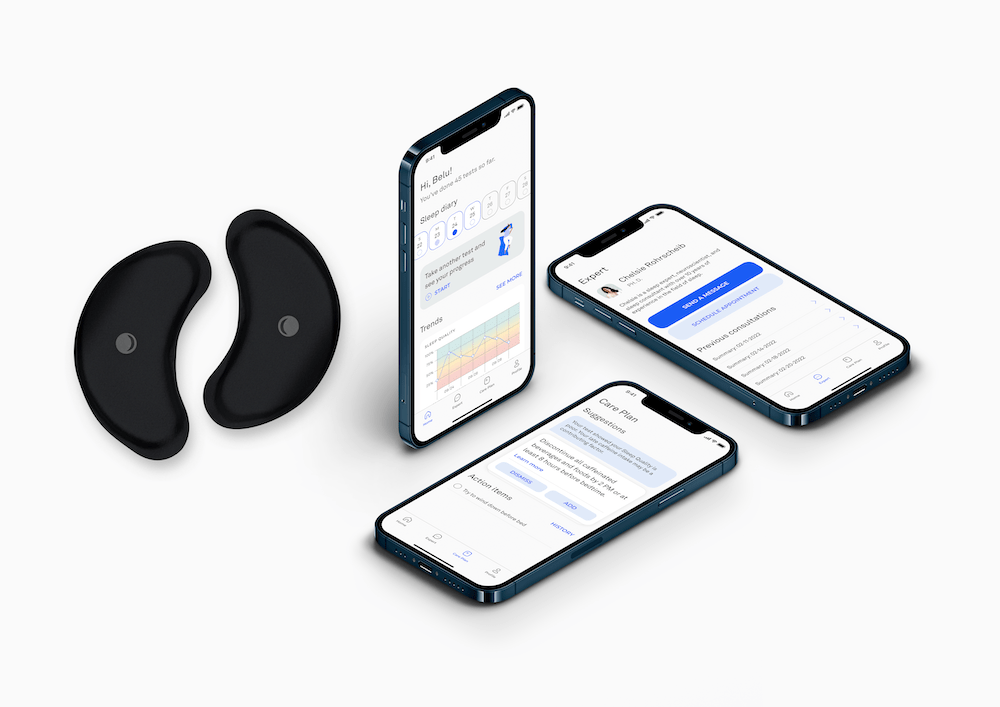
SleepSpace feature
Sleep assessment
Start here if you want a clearer read on your sleep animal, your main bottlenecks, and what to work on first.
Learn how to use it

SleepSpace feature
Sleep diary
Use the diary to catch patterns in timing, awakenings, stress, recovery, and what actually changed from one night to the next.
Learn how to use it
SleepSpace feature
Weekly sleep stats
Use weekly trends to see whether you are actually improving instead of judging everything from one rough night.
Learn how to use it
SleepSpace resources
SleepSpace resources that fit this phenotype
These were selected by spidering SleepSpace topic pages and product resources that match the mechanism cluster behind this animal.
SleepSpace article
SleepSpace learning hub
A broad SleepSpace article library that can serve as the hub resource on every page.
SleepSpace article
SleepSpace science page
Useful when the page needs a product-adjacent evidence destination.
SleepSpace article
Tracking and wearables guide
Useful for pages that emphasize data quality, sleep diaries, and wearables.
SleepSpace article
SleepSpace Phone system
Useful for pages that talk about integrated tracking, environment control, and bedside sleep technology.
FAQ
Questions Dr. Dan would expect about this animal
Quick answers to the questions people usually ask when this sleep pattern feels familiar.
What does the Goat sleep animal mean?
Caregiving can make sleep feel vigilant, shortened, and emotionally loaded. Whether it is a child, partner, or elderly parent, your nights may be shaped by responsibility before they are shaped by recovery. That can create a kind of fatigue that is both physical and emotional. You need solutions that are realistic, not idealized. The best support for this phenotype usually reduces friction and decision fatigue as much as it improves sleep itself. This long-form page treats Goat as a sleep phenotype: a memorable wrapper around a recurring pattern that likely clusters across schedule, physiology, stress load, and next-day restoration. The goal is not to claim a formal diagnosis. The goal is to make the likely mechanism more understandable and the next step more obvious. This is educational guidance to help you recognize the pattern, not a medical diagnosis.
What should you track if this goat pattern sounds like you?
The tracking goal is to expose where recovery is actually being lost. Time in bed, total sleep time, naps, rebound weekends, and variation across high-load versus low-load days usually matter more than intricate stage interpretation. [2] [13] Start with the SleepSpace sleep assessment and then use the app to watch what happens to timing, continuity, symptoms, and next-day recovery over time.
When should you get extra help for goat-style sleep problems?
If this pattern is getting more intense, affecting safety, or leaving you persistently exhausted, treat this page as educational and talk with a doctor or sleep specialist. SleepSpace can help you organize the pattern, but medical concerns still deserve medical care.
Important note
Protect your recovery while caring for others
The phenotype language is educational and pattern-based. It becomes most useful when paired with trend data, practical experimentation, and medical follow-up when symptoms are severe, persistent, or safety-relevant.
SleepSpace can help caregivers sleep more deeply, calm faster, and recover more efficiently between interruptions.
Research references
Selected citations for this page
Show citations (18)
- Basner et al. (2012). An adaptive-duration version of the PVT accurately tracks changes in psychomotor vigilance induced by sleep restriction.
This trial is especially relevant because a recurring finding in the sleep-loss literature is that people feel more adapted than their attention, mood, and reaction time really are.
Full article - Oken et al. (2006). Vigilance, alertness, or sustained attention: physiological basis and measurement.
This trial is especially relevant because a recurring finding in the sleep-loss literature is that people feel more adapted than their attention, mood, and reaction time really are.
Full article - Borbély et al. (1982). A two process model of sleep regulation.
This trial is especially relevant because a recurring finding in the sleep-loss literature is that people feel more adapted than their attention, mood, and reaction time really are.
Full article - Maquet et al. (2004). Psychology: insight and the sleep committee.
This trial is especially relevant because a recurring finding in the sleep-loss literature is that people feel more adapted than their attention, mood, and reaction time really are.
Full article - Corsi-Cabrera et al. (1996). Time course of reaction time and EEG while performing a vigilance task during total sleep deprivation.
This trial is especially relevant because a recurring finding in the sleep-loss literature is that people feel more adapted than their attention, mood, and reaction time really are.
Full article - Caldwell et al. (2002). A survey of aircrew fatigue in a sample of U.S. Army aviation personnel.
A recurring finding in the sleep-loss literature is that people feel more adapted than their attention, mood, and reaction time really are.
Full article - Ratcliff et al. (2011). Diffusion model for one-choice reaction-time tasks and the cognitive effects of sleep deprivation.
This trial is especially relevant because a recurring finding in the sleep-loss literature is that people feel more adapted than their attention, mood, and reaction time really are.
Full article - Krueger et al. (2003). Sleep function.
A recurring finding in the sleep-loss literature is that people feel more adapted than their attention, mood, and reaction time really are.
Full article - Fletcher et al. (2004). Systematic review: effects of resident work hours on patient safety.
This review is useful because a recurring finding in the sleep-loss literature is that people feel more adapted than their attention, mood, and reaction time really are.
Full article - Kripke et al. (2000). Response.
This trial is especially relevant because a recurring finding in the sleep-loss literature is that people feel more adapted than their attention, mood, and reaction time really are.
Full article - Fletcher et al. (2001). A quantitative model of work-related fatigue: empirical evaluations.
This trial is especially relevant because a recurring finding in the sleep-loss literature is that people feel more adapted than their attention, mood, and reaction time really are.
Full article - Naitoh et al. (1983). Signal detection theory as applied to vigilance performance of sleep-deprived subjects.
This trial is especially relevant because a recurring finding in the sleep-loss literature is that people feel more adapted than their attention, mood, and reaction time really are.
Full article - Brunet et al. (2017). Validation of sleep-2-Peak: A smartphone application that can detect fatigue-related changes in reaction times during sleep deprivation.
A recurring finding in the sleep-loss literature is that people feel more adapted than their attention, mood, and reaction time really are.
Full article - Van Dongen et al. (2011). Individual differences in cognitive vulnerability to fatigue in the laboratory and in the workplace.
A recurring finding in the sleep-loss literature is that people feel more adapted than their attention, mood, and reaction time really are.
Full article - Qiu et al. (2010). Basal ganglia control of sleep-wake behavior and cortical activation.
This review is useful because a recurring finding in the sleep-loss literature is that people feel more adapted than their attention, mood, and reaction time really are.
Full article - Wilkinson et al. (1968). Sleep deprivation.
This trial is especially relevant because a recurring finding in the sleep-loss literature is that people feel more adapted than their attention, mood, and reaction time really are.
Full article - Jung et al. (2011). Comparison of sustained attention assessed by auditory and visual psychomotor vigilance tasks prior to and during sleep deprivation.
This trial is especially relevant because a recurring finding in the sleep-loss literature is that people feel more adapted than their attention, mood, and reaction time really are.
Full article - Harrison et al. (2000). The impact of sleep deprivation on decision making: A review.
This trial is especially relevant because a recurring finding in the sleep-loss literature is that people feel more adapted than their attention, mood, and reaction time really are.
Full article
Nearby profiles
Other animals in the same neighborhood

Related animal
Camel
Sleep Debt Carrier
You have become good at functioning on less sleep than your body actually wants.

Related animal
Crow
Long-Commuter Sleeper
Your days may be stealing from your nights.

Related animal
Kangaroo
New Parent Sleeper
Your sleep is being asked to stay protective, flexible, and interrupted all at once.