
General Foundation phenotype
Chameleon: Uncertain Mixer
Your sleep signals are real, but they are not clustering cleanly into one dominant pattern yet.
The pattern is still mixed or unclear, so the best move is to gather cleaner data and stabilize the foundation before over-labeling.

Interpretation
How to read this phenotype
Your sleep signals are real, but they are not clustering cleanly into one dominant pattern yet. [1] [2]
Read this phenotype as a signal to gather cleaner data, not as a failed answer. Mixed patterns often mean several smaller pressures are stacking at once rather than one loud diagnosis shouting over the rest. That usually means the best next move is better measurement, steadier routines, and a little more patience before forcing the pattern into a box it has not earned yet. One useful takeaway here is that wearables are most trustworthy for multi-night pattern detection, while quiet wakefulness and edge cases still benefit from richer context. [3] [4] [5]
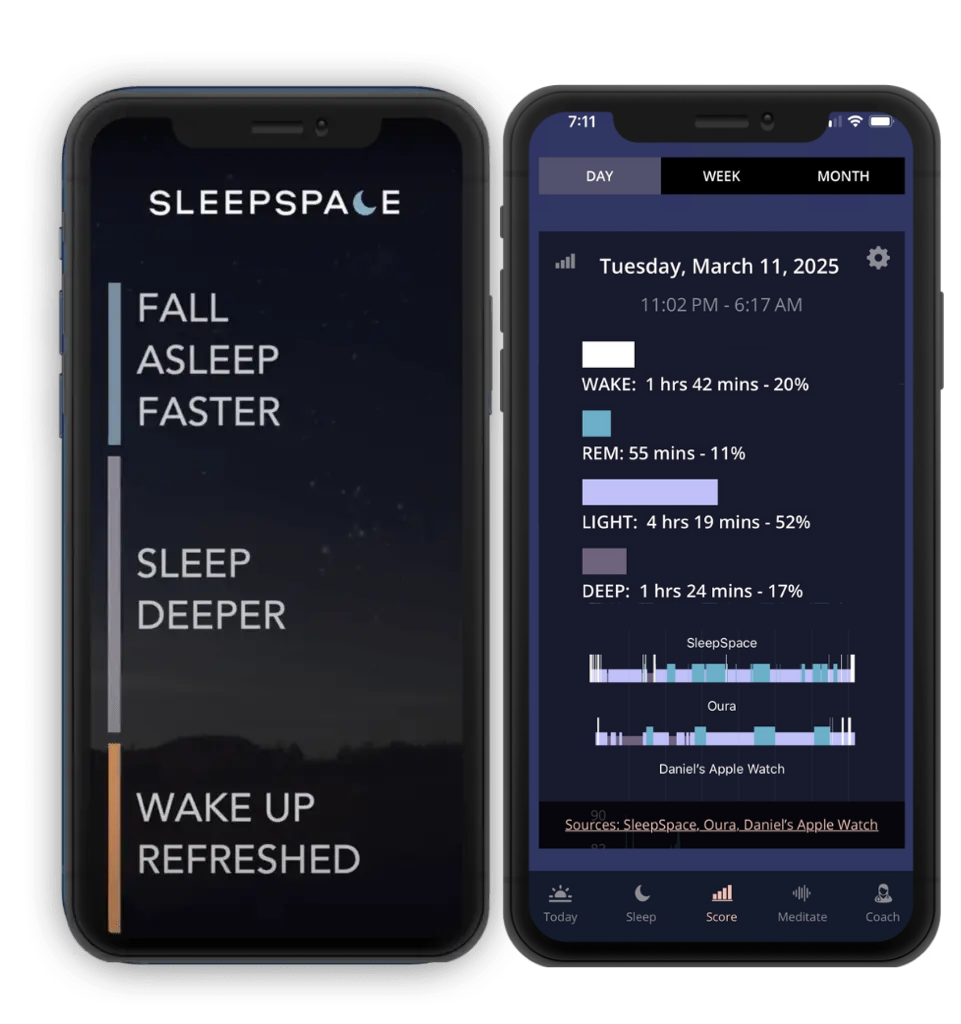
Actigraphy papers keep showing how much you learn when timing, duration, and fragmentation are tracked over enough nights to reveal the real pattern. That is where SleepSpace becomes more useful than a static score alone: it can help you see the pattern more clearly and, when appropriate, respond in real time with sound and light changes while the night is still unfolding. [6]
What this often looks like
Common signals in real life
- Your sleep signals are real, but they are not clustering cleanly into one dominant pattern yet.
- The signal set is mixed enough that the best move is still to improve the clarity of the data.
- This result is often seen when several mild pressures coexist without one obviously dominating.
- The page is most useful when it helps the sleeper collect cleaner signals over the next one to three weeks.
- A non-specific result can still prevent the wrong premature conclusion.
Why this page exists
What makes Chameleon distinct
This page should reassure the reader that mixed results are still useful.
Keep tracking and tighten the basics for a few more nights. SleepSpace can help you turn uncertainty into a clearer picture by improving consistency and collecting better signals.
Scientific read
A mixed-pattern sleeper is best understood through a conservative scientific idea: uncertain data should lead to a tighter foundation, not a louder claim. That is why the measurement literature matters so much here. Better tracking often beats a premature label when several smaller pressures are pushing on the same night. This does not mean the pattern is fake. It usually means the signal needs to get cleaner before the best intervention becomes obvious. The practical goal is to separate timing, continuity, physiology, and restoration rather than folding them into one fuzzy bucket. [7] [10] [13]
The better the measurement gets, the more helpful the pattern becomes. The measurement-heavy papers matter because they keep showing that better signal changes the quality of the next decision. Tracking is most useful when it turns vague impressions into repeatable patterns. This is where SleepSpace stands out most clearly: it does not just review the night after it ends, it can respond in real time with sound and light adjustments while the night is still unfolding. Trend data is often more informative than a single rough night, especially when the pattern shifts with context. [8] [11] [14]
Actigraphy papers keep showing how much you learn when timing, duration, and fragmentation are tracked over enough nights to reveal the real pattern. Strategic naps can restore more than people expect when the alternative is trying to grind through a biologically low period. A mixed-pattern sleeper is best understood through a conservative scientific idea: uncertain data should lead to a tighter foundation, not a louder claim. That is why the measurement literature matters so much here. Better tracking often beats a premature label when several smaller pressures are pushing on the same night. [9] [12] [15]
Tracking and wearables
What data often helps separate this pattern from nearby ones
Because these patterns change with context, the best data are often multi-night and multi-setting: travel versus home, stressful versus calm weeks, winter versus summer, and high-demand versus lower-demand periods. [1] [13]
SleepSpace's own tracking and wearables articles are especially relevant for these pages because they reinforce the difference between a one-night impression and an interpretable pattern. That is useful for every phenotype, but it becomes essential when the mechanism changes with context. [11] [13] [12]
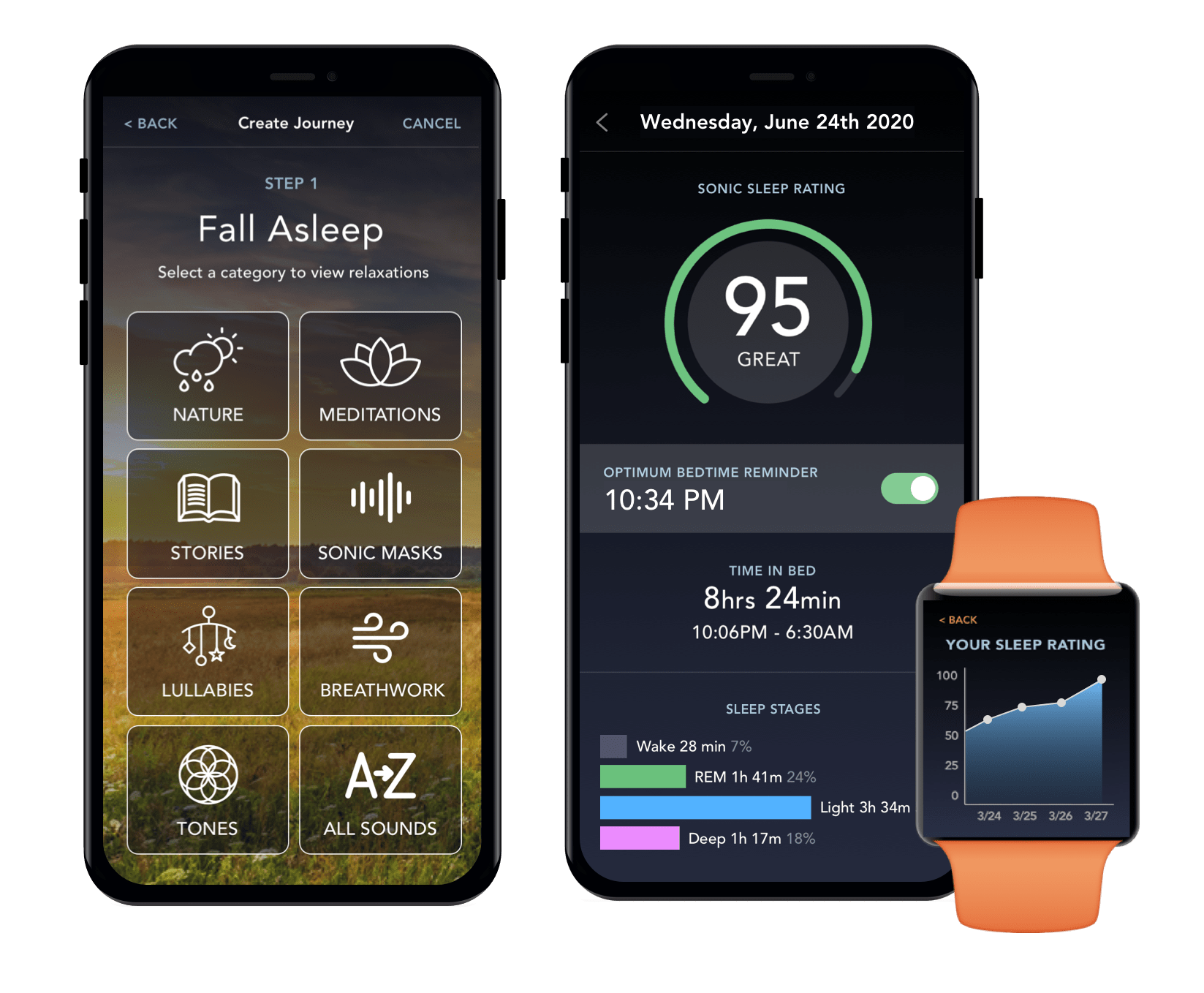
SleepSpace app features
Use these tools if you want to improve this pattern instead of just reading about it
Start with the assessment, download the app, and use the features below to turn this sleep animal into a practical plan.
SleepSpace feature
Sleep assessment
Start here if you want a clearer read on your sleep animal, your main bottlenecks, and what to work on first.
Learn how to use it

SleepSpace feature
Sleep diary
Use the diary to catch patterns in timing, awakenings, stress, recovery, and what actually changed from one night to the next.
Learn how to use it

SleepSpace feature
Weekly sleep stats
Use weekly trends to see whether you are actually improving instead of judging everything from one rough night.
Learn how to use it
SleepSpace resources
SleepSpace resources that fit this phenotype
These were selected by spidering SleepSpace topic pages and product resources that match the mechanism cluster behind this animal.
SleepSpace article
SleepSpace learning hub
A broad SleepSpace article library that can serve as the hub resource on every page.
SleepSpace article
SleepSpace science page
Useful when the page needs a product-adjacent evidence destination.
SleepSpace article
Tracking and wearables guide
Useful for pages that emphasize data quality, sleep diaries, and wearables.
FAQ
Questions Dr. Dan would expect about this animal
Quick answers to the questions people usually ask when this sleep pattern feels familiar.
What does the Chameleon sleep animal mean?
This is the misc fallback phenotype for mixed, limited, or still-forming sleep data. You may have a flexible sleep style, a combination of smaller signals, or simply not enough recent information for one phenotype to clearly win. That is not a bad result. It just means the wisest next move is to gather a little more data and look for repeatable patterns before labeling too aggressively. Uncertainty here is part of the process, not a failure of the model or of your sleep story. This long-form page treats Chameleon as a sleep phenotype: a memorable wrapper around a recurring pattern that likely clusters across schedule, physiology, stress load, and next-day restoration. The goal is not to claim a formal diagnosis. The goal is to make the likely mechanism more understandable and the next step more obvious. This is educational guidance to help you recognize the pattern, not a medical diagnosis.
What should you track if this chameleon pattern sounds like you?
Because these patterns change with context, the best data are often multi-night and multi-setting: travel versus home, stressful versus calm weeks, winter versus summer, and high-demand versus lower-demand periods. [1] [13] Start with the SleepSpace sleep assessment and then use the app to watch what happens to timing, continuity, symptoms, and next-day recovery over time.
When should you get extra help for chameleon-style sleep problems?
If this pattern is getting more intense, affecting safety, or leaving you persistently exhausted, treat this page as educational and talk with a doctor or sleep specialist. SleepSpace can help you organize the pattern, but medical concerns still deserve medical care.
Important note
Turn mixed signals into a clearer pattern
The phenotype language is educational and pattern-based. It becomes most useful when paired with trend data, practical experimentation, and medical follow-up when symptoms are severe, persistent, or safety-relevant.
SleepSpace helps you move from uncertainty to a more specific sleep profile with better data and better habits.
Research references
Selected citations for this page
Show citations (15)
- Acebo et al. (2006). Actigraphy.
This review is useful because one useful takeaway here is that wearables are most trustworthy for multi-night pattern detection, while quiet wakefulness and edge cases still benefit from richer context.
Full article - Roberts et al. (2023). Performance of an open machine learning model to classify sleep/wake from actigraphy across ∼24-hour intervals without knowledge of rest timing.
One useful takeaway here is that wearables are most trustworthy for multi-night pattern detection, while quiet wakefulness and edge cases still benefit from richer context.
Full article - Samson et al. (2016). What is segmented sleep? Actigraphy field validation for daytime sleep and nighttime wake.
Actigraphy papers keep showing how much you learn when timing, duration, and fragmentation are tracked over enough nights to reveal the real pattern.
Full article - Somers et al. (2008). Sleep apnea and cardiovascular disease: an American Heart Association/american College Of Cardiology Foundation Scientific Statement from the American Heart Association Council for High Blood Pressure Research Professional Education Committee, Council on Clinical Cardiology, Stroke Council, and Council On Cardiovascular Nursing. In collaboration with the National Heart, Lung, and Blood Institute National Center on Sleep Disorders Research (National Institutes of Health).
This trial is especially relevant because a rough morning can come from repeated breathing strain and micro-disruption even when the sleeper does not remember many awakenings.
Full article - De Zambotti et al. (2023). State of the Science and Recommendations for Using Wearable Technology in Sleep and Circadian Research.
This review is useful because actigraphy papers keep showing how much you learn when timing, duration, and fragmentation are tracked over enough nights to reveal the real pattern.
Full article - Li et al. (2017). Digital Health: Tracking Physiomes and Activity Using Wearable Biosensors Reveals Useful Health-Related Information.
Strategic naps can restore more than people expect when the alternative is trying to grind through a biologically low period.
Full article - Miller et al. (2015). Agreement between simple questions about sleep duration and sleep diaries in a large online survey.
Trend data is often more informative than a single rough night, especially when the pattern shifts with context.
Full article - Ji et al. (2023). Six multidimensional sleep health facets in older adults identified with factor analysis of actigraphy: Results from the Einstein Aging Study.
Actigraphy papers keep showing how much you learn when timing, duration, and fragmentation are tracked over enough nights to reveal the real pattern.
Full article - Lee et al. (2016). Age differences in workplace intervention effects on employees’ nighttime and daytime sleep.
This trial is especially relevant because actigraphy papers keep showing how much you learn when timing, duration, and fragmentation are tracked over enough nights to reveal the real pattern.
Full article - Kahn et al. (1970). The effects of age on sleep card.
This trial is especially relevant because actigraphy papers keep showing how much you learn when timing, duration, and fragmentation are tracked over enough nights to reveal the real pattern.
Full article - Matsumoto et al. (1998). Evaluation of the Actillume wrist actigraphy monitor in the detection of sleeping and waking.
Actigraphy papers keep showing how much you learn when timing, duration, and fragmentation are tracked over enough nights to reveal the real pattern.
Full article - Van Oostveen et al. (2021). Imaging Techniques in Alzheimer’s Disease: A Review of Applications in Early Diagnosis and Longitudinal Monitoring.
This review is useful because trend data is often more informative than a single rough night, especially when the pattern shifts with context.
Full article - Evenson et al. (2015). Systematic review of the validity and reliability of consumer-wearable activity trackers.
This trial is especially relevant because strategic naps can restore more than people expect when the alternative is trying to grind through a biologically low period.
Full article - Lauderdale et al. (2008). Self-reported and measured sleep duration: how similar are they?.
Actigraphy papers keep showing how much you learn when timing, duration, and fragmentation are tracked over enough nights to reveal the real pattern.
Full article - Sadeh et al. (2011). The role and validity of actigraphy in sleep medicine: an update.
This review is useful because actigraphy papers keep showing how much you learn when timing, duration, and fragmentation are tracked over enough nights to reveal the real pattern.
Full article
Nearby profiles
Other animals in the same neighborhood
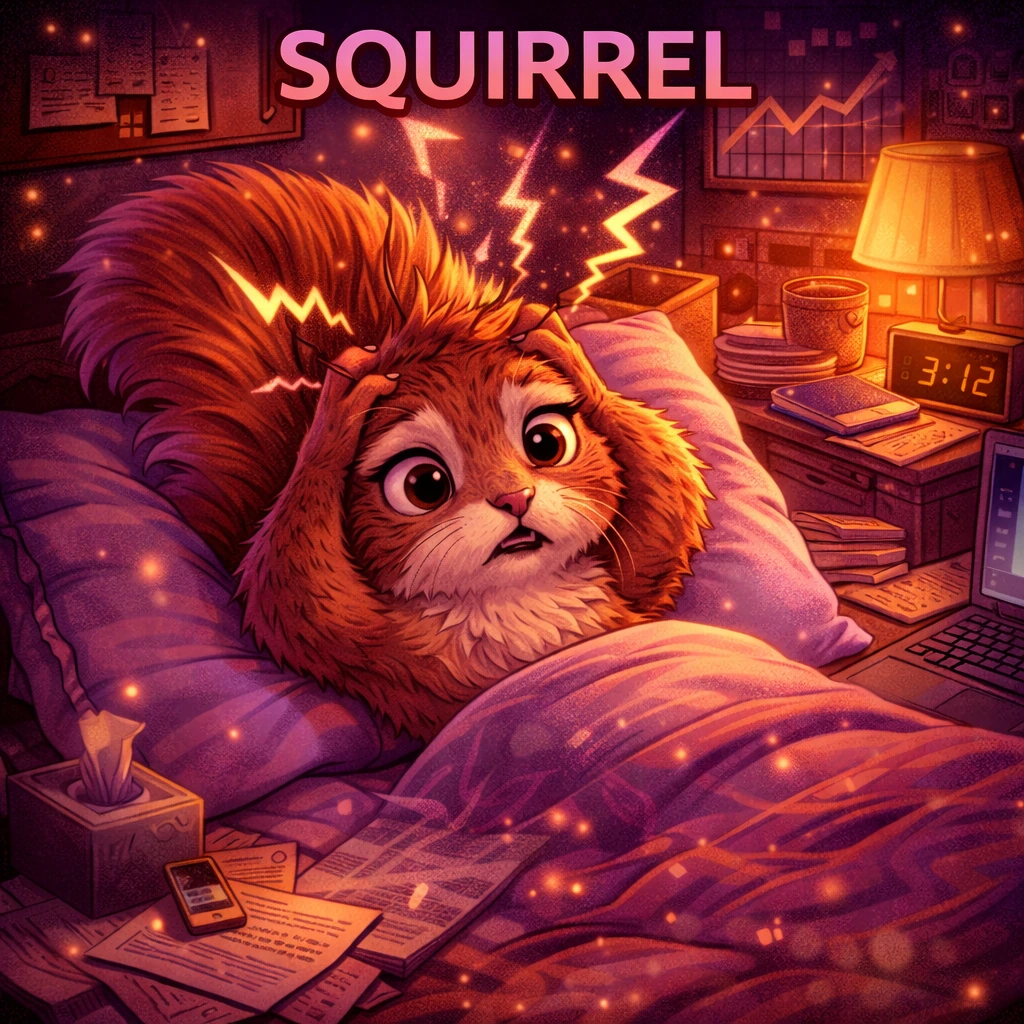
Related animal
Squirrel
Stress-Triggered Sleeper
Your sleep may be mostly fine until stress flips the switch.

Related animal
Vulture
Grief Sleeper
Your sleep may be carrying loss, not just fatigue.
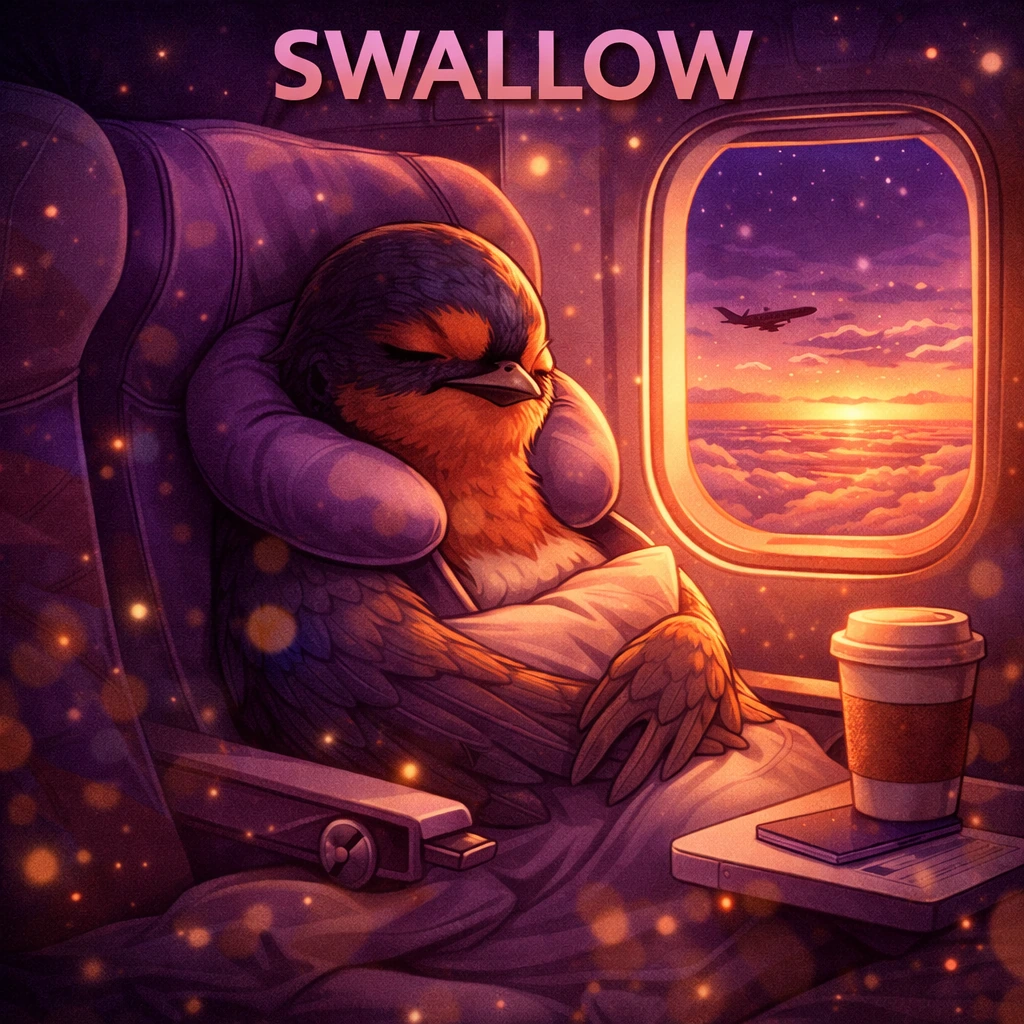
Related animal
Swallow
Frequent-Traveler Sleeper
Your sleep may never fully settle before the next trip asks it to change again.