
Adaptive and Context-Sensitive Profiles phenotype
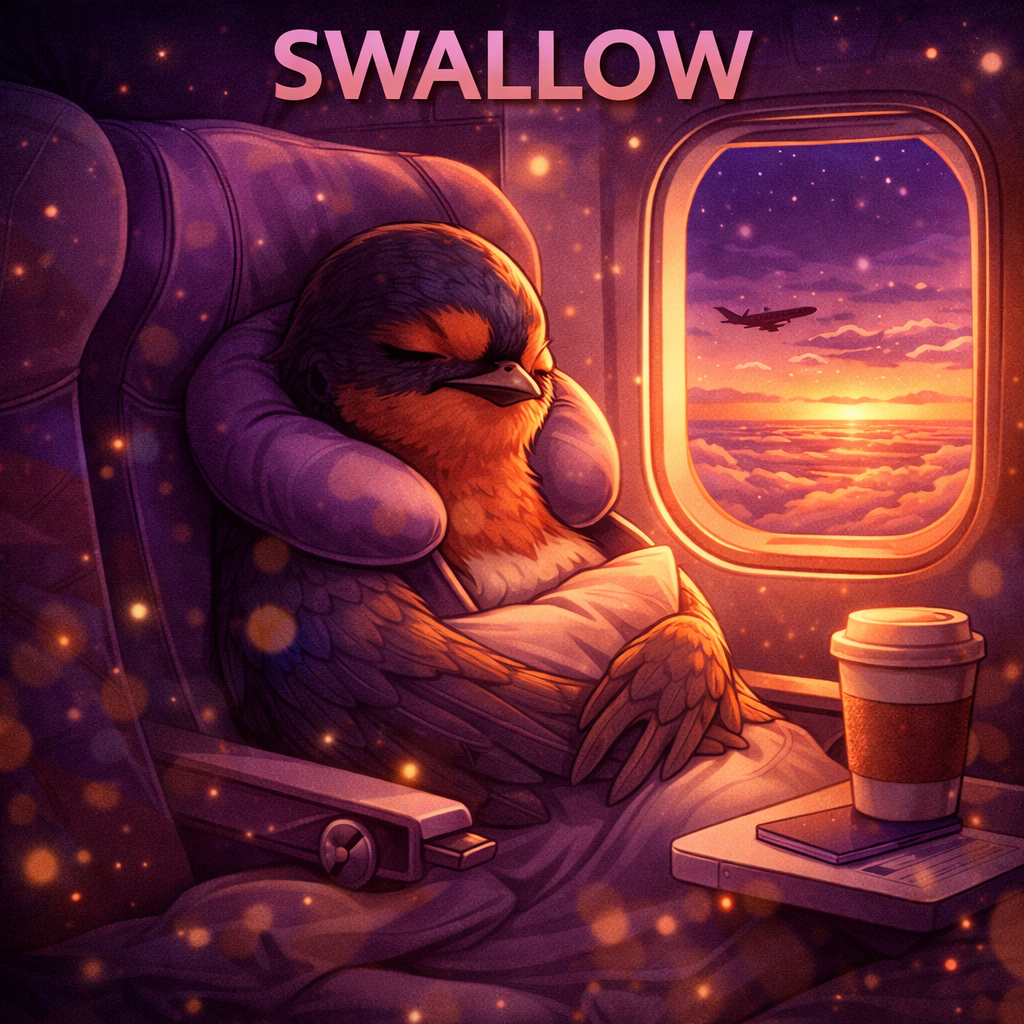
Swallow: Frequent-Traveler Sleeper
Your sleep may never fully settle before the next trip asks it to change again.
These animals change with season, travel, grief, late performance timing, fragmentation, or an unusually high need for sleep.
Interpretation
How to read this phenotype
Your sleep may never fully settle before the next trip asks it to change again. [1] [2]
Read this phenotype as a context-shaped sleeper. Travel, grief, stress, caregiving, or unstable routines can all change timing, continuity, and next-day function without making the pattern random. This is why tracking matters so much here. Once you can see how the night changes with context, the right intervention gets much easier to choose. The night can become self-reinforcing when the bed turns into a place for monitoring, rehearsing, and trying too hard. [3] [4] [5]
Recovery-focused papers keep showing the same thing: a strong baseline is something to protect before it slips, not chase after it is gone. Timing matters more than force here: the same tool can help or backfire depending on when it is used. That is where SleepSpace becomes more useful than a static score alone: it can help you see the pattern more clearly and, when appropriate, respond in real time with sound and light changes while the night is still unfolding. [6]
What this often looks like
Common signals in real life
- Your sleep may never fully settle before the next trip asks it to change again.
- The sleeper may look different in different seasons, life chapters, or travel weeks.
- A multi-night or multi-context perspective is often more revealing than a single snapshot.
- Portable routines matter because consistency is being challenged by external context.
- The most helpful framing is often adaptive rather than pathologizing.
Why this page exists
What makes Swallow distinct
These pages benefit from highlighting variability and the value of multi-night tracking.
Use a travel-ready sleep routine with simple anchors you can keep across locations. SleepSpace can help make that routine portable.
Scientific read
Context-sensitive sleepers are often easier to understand once you stop expecting the same night every night. Travel, grief, stress, caregiving, and short windows can all change the pattern without making it random. That is why these pages care so much about diaries, repeated observation, and what changes from one week to the next. The signal is often in the variation itself. The literature here also makes a useful point: temporary strain can still create predictable biology. A compressed or emotionally loaded period can change timing, depth, and next-day recovery in consistent ways. This is why the most helpful tools here are often the ones that capture the pattern as it changes rather than pretending the sleeper should look the same every night. [7] [10] [13]
Once the context is visible, the right solution becomes much easier to choose and much easier to stick with. The overlap papers in this lane are useful because context keeps reshaping the night: grief, travel, caregiving, stress, and unstable schedules can all change the same sleeper in different weeks. That is why repeated measurement beats snap judgment for these profiles. The pattern often makes sense once the context gets logged clearly enough. The room itself can become the bottleneck when sound or unpredictability keeps the nervous system slightly on guard. [8] [11] [14]
The most useful studies in this lane turn vague sleep complaints into mechanisms you can actually test. Timing matters more than force here: the same tool can help or backfire depending on when it is used. Deep sleep is not just about logging enough hours; it is where the night often becomes truly restorative. Evening light exposure can stretch sleep latency, delay circadian timing, and leave the next morning feeling flatter than the total sleep time alone would predict. [9] [12] [15]
Tracking and wearables
What data often helps separate this pattern from nearby ones
Because these patterns change with context, the best data are often multi-night and multi-setting: travel versus home, stressful versus calm weeks, winter versus summer, and high-demand versus lower-demand periods. [2] [13]
SleepSpace's own tracking and wearables articles are especially relevant for these pages because they reinforce the difference between a one-night impression and an interpretable pattern. That is useful for every phenotype, but it becomes essential when the mechanism changes with context. [11] [13] [12]

SleepSpace app features
Use these tools if you want to improve this pattern instead of just reading about it
Start with the assessment, download the app, and use the features below to turn this sleep animal into a practical plan.

SleepSpace feature
Sleep assessment
Start here if you want a clearer read on your sleep animal, your main bottlenecks, and what to work on first.
Learn how to use it

SleepSpace feature
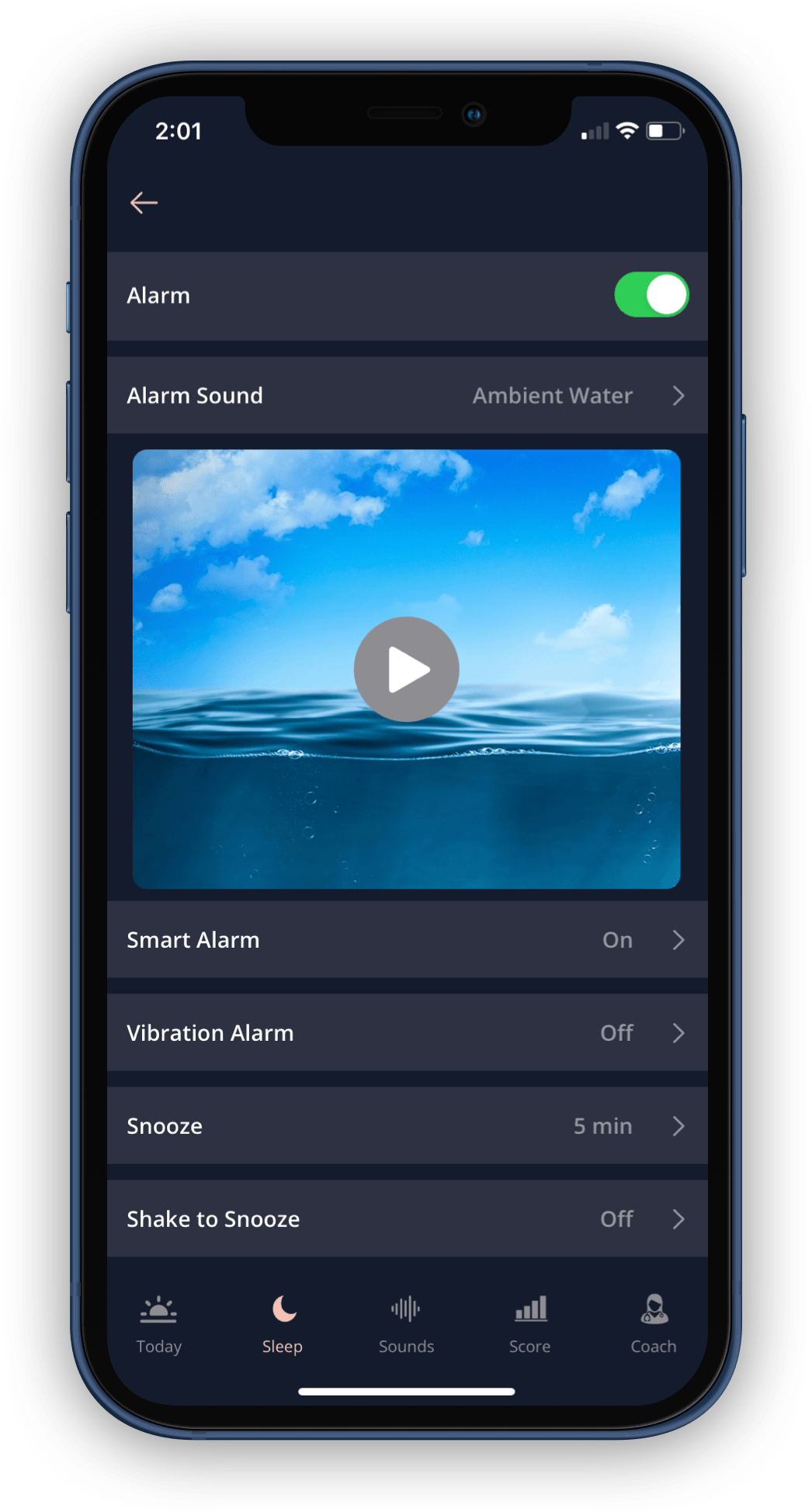
Smart alarm
Use smart wake timing when your biggest issue is schedule drift, grogginess, or waking at the wrong point in the sleep cycle.
Learn how to use it
SleepSpace feature
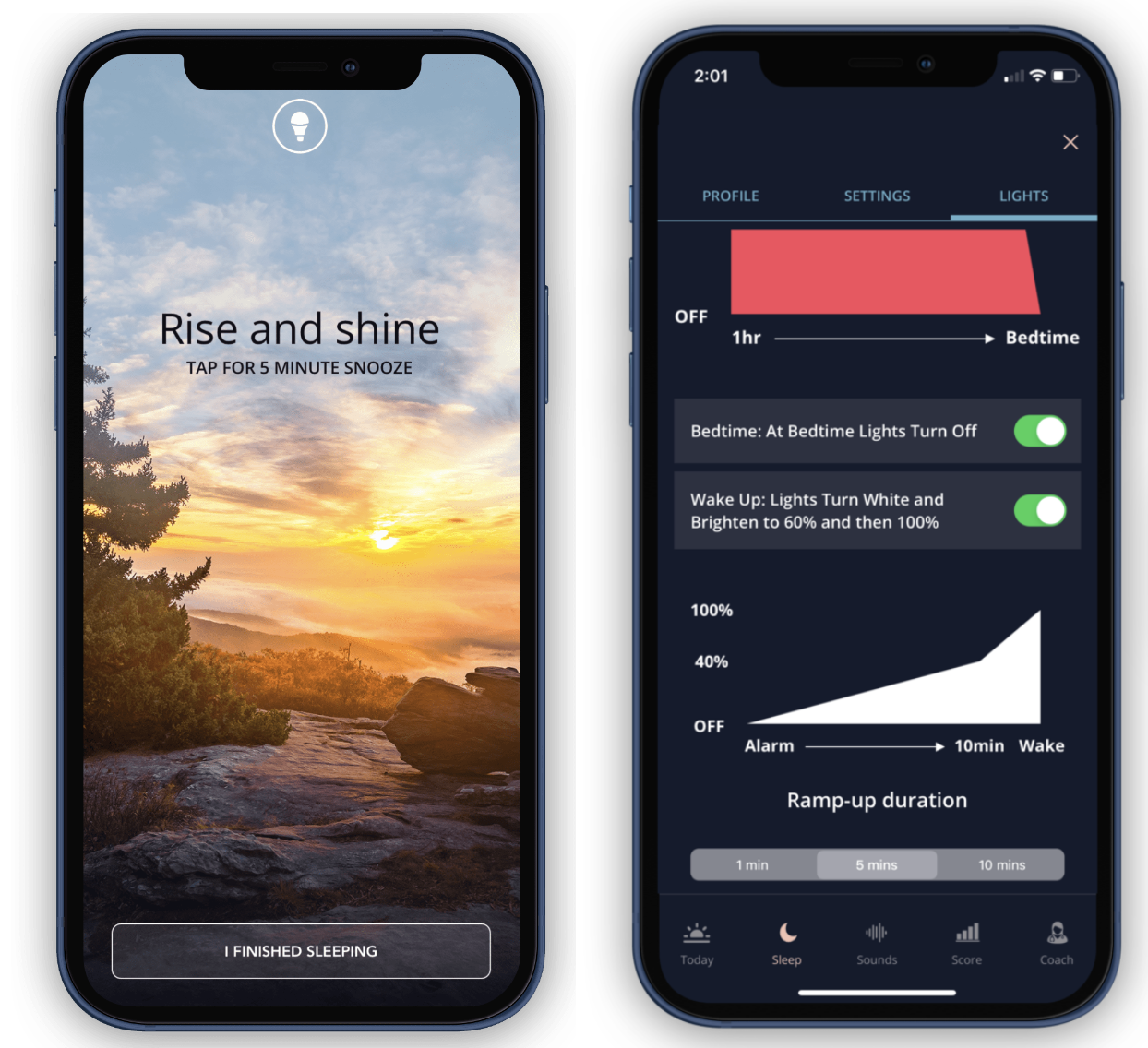
Smart light ramp-up
Use light-based wake support when circadian timing, late mornings, travel, or schedule shift is part of the problem.
Learn how to use it
SleepSpace resources
SleepSpace resources that fit this phenotype
These were selected by spidering SleepSpace topic pages and product resources that match the mechanism cluster behind this animal.
SleepSpace article
SleepSpace learning hub
A broad SleepSpace article library that can serve as the hub resource on every page.
SleepSpace article
SleepSpace science page
Useful when the page needs a product-adjacent evidence destination.
SleepSpace article
Tracking and wearables guide
Useful for pages that emphasize data quality, sleep diaries, and wearables.
SleepSpace article
Circadian schedule guide
Useful for circadian, travel, and timing-mismatch pages.
SleepSpace article
SleepSpace Phone system
Useful for pages that talk about integrated tracking, environment control, and bedside sleep technology.
FAQ
Questions Dr. Dan would expect about this animal
Quick answers to the questions people usually ask when this sleep pattern feels familiar.
What does the Swallow sleep animal mean?
This profile fits people who repeatedly change cities, time zones, or hotel environments quickly enough that sleep never fully re-anchors. The challenge is not one jet-lag episode. It is the accumulation of many small circadian disruptions. The best plan is portable, repeatable, and travel-aware. This phenotype improves when your travel routine carries the same recovery cues no matter where you land. This long-form page treats Swallow as a sleep phenotype: a memorable wrapper around a recurring pattern that likely clusters across schedule, physiology, stress load, and next-day restoration. The goal is not to claim a formal diagnosis. The goal is to make the likely mechanism more understandable and the next step more obvious. This is educational guidance to help you recognize the pattern, not a medical diagnosis.
What should you track if this swallow pattern sounds like you?
Because these patterns change with context, the best data are often multi-night and multi-setting: travel versus home, stressful versus calm weeks, winter versus summer, and high-demand versus lower-demand periods. [2] [13] Start with the SleepSpace sleep assessment and then use the app to watch what happens to timing, continuity, symptoms, and next-day recovery over time.
When should you get extra help for swallow-style sleep problems?
If this pattern is getting more intense, affecting safety, or leaving you persistently exhausted, treat this page as educational and talk with a doctor or sleep specialist. SleepSpace can help you organize the pattern, but medical concerns still deserve medical care.
Important note
Keep sleep anchored while you move
The phenotype language is educational and pattern-based. It becomes most useful when paired with trend data, practical experimentation, and medical follow-up when symptoms are severe, persistent, or safety-relevant.
Use SleepSpace to create a portable recovery system for a travel-heavy life.
Research references
Selected citations for this page
Show citations (15)
- Katz et al. (2001). Psychiatric aspects of jet lag: review and hypothesis.
This review is useful because the night can become self-reinforcing when the bed turns into a place for monitoring, rehearsing, and trying too hard.
Full article - Mallis et al. (2004). Summary of the key features of seven biomathematical models of human fatigue and performance.
This review is useful because recovery-focused papers keep showing the same thing: a strong baseline is something to protect before it slips, not chase after it is gone.
Full article - Srinivasan et al. (2010). Jet lag, circadian rhythm sleep disturbances, and depression: the role of melatonin and its analogs.
Timing matters more than force here: the same tool can help or backfire depending on when it is used.
Full article - Castanon-Cervantes et al. (2010). Dysregulation of inflammatory responses by chronic circadian disruption.
A recurring finding in the sleep-loss literature is that people feel more adapted than their attention, mood, and reaction time really are.
Full article - Pandi-Perumal et al. (2006). Melatonin.
Timing matters more than force here: the same tool can help or backfire depending on when it is used.
Full article - Dinges et al. (2004). Critical research issues in development of biomathematical models of fatigue and performance.
This review is useful because the problem is often not just less sleep, but sleeping against the clock often enough that recovery never fully catches up.
Full article - Cermakian et al. (2002). Environmental stimulus perception and control of circadian clocks.
The room itself can become the bottleneck when sound or unpredictability keeps the nervous system slightly on guard.
Full article - Manfredini et al. (1998). Circadian rhythms, athletic performance, and jet lag.
The room itself can become the bottleneck when sound or unpredictability keeps the nervous system slightly on guard.
Full article - Küller et al. (2002). The influence of light on circarhythms in humans.
The room itself can become the bottleneck when sound or unpredictability keeps the nervous system slightly on guard.
Full article - Menaker et al. (1997). Evolution of circadian organization in vertebrates.
The most useful studies in this lane turn vague sleep complaints into mechanisms you can actually test.
Full article - Wehrens et al. (2017). Meal Timing Regulates the Human Circadian System.
Timing matters more than force here: the same tool can help or backfire depending on when it is used.
Full article - Adolescent Sleep Working Group et al. (2014). School start times for adolescents.
This review is useful because deep sleep is not just about logging enough hours; it is where the night often becomes truly restorative.
Full article - Golstein et al. (1983). Effects of "jet lag" on hormonal patterns. IV. Time shifts increase growth hormone release.
Evening light exposure can stretch sleep latency, delay circadian timing, and leave the next morning feeling flatter than the total sleep time alone would predict.
Full article - Kim et al. (2007). Risk factors, health risks, and risk management for aircraft personnel and frequent flyers.
This review is useful because small thermal disruptions can keep sleep lighter than the clock would suggest, especially in the second half of the night.
Full article - Griefahn et al. (2002). Melatonin synthesis: a possible indicator of intolerance to shiftwork.
Timing matters more than force here: the same tool can help or backfire depending on when it is used.
Full article
Nearby profiles
Other animals in the same neighborhood

Related animal
Squirrel
Stress-Triggered Sleeper
Your sleep may be mostly fine until stress flips the switch.

Related animal
Seal
Seasonal Adapter
Your sleep seems to change when light, season, or environment shifts around you.
Related animal
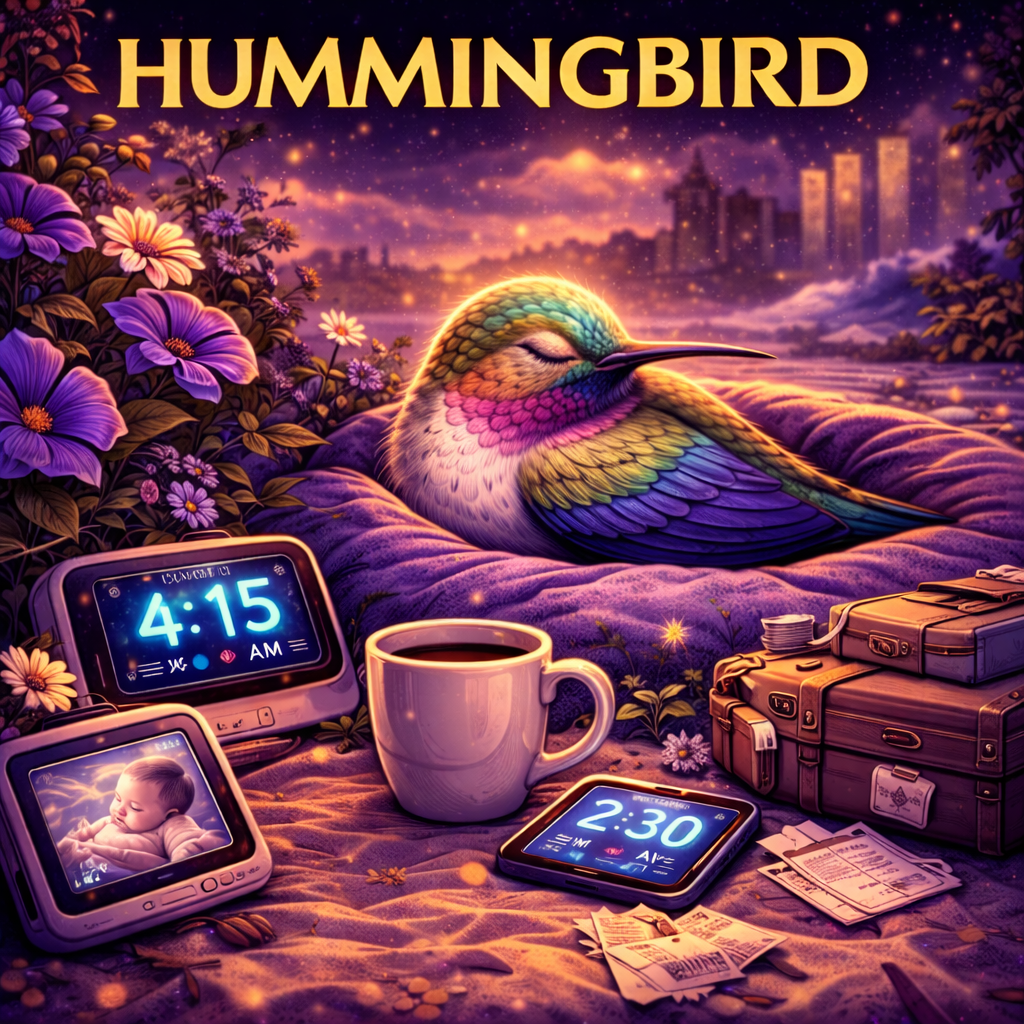
Hummingbird
Micro-Recovery Sleeper
Your system may be surviving on short, fragmented bursts of recovery instead of one steady night.