
Circadian and Schedule phenotype
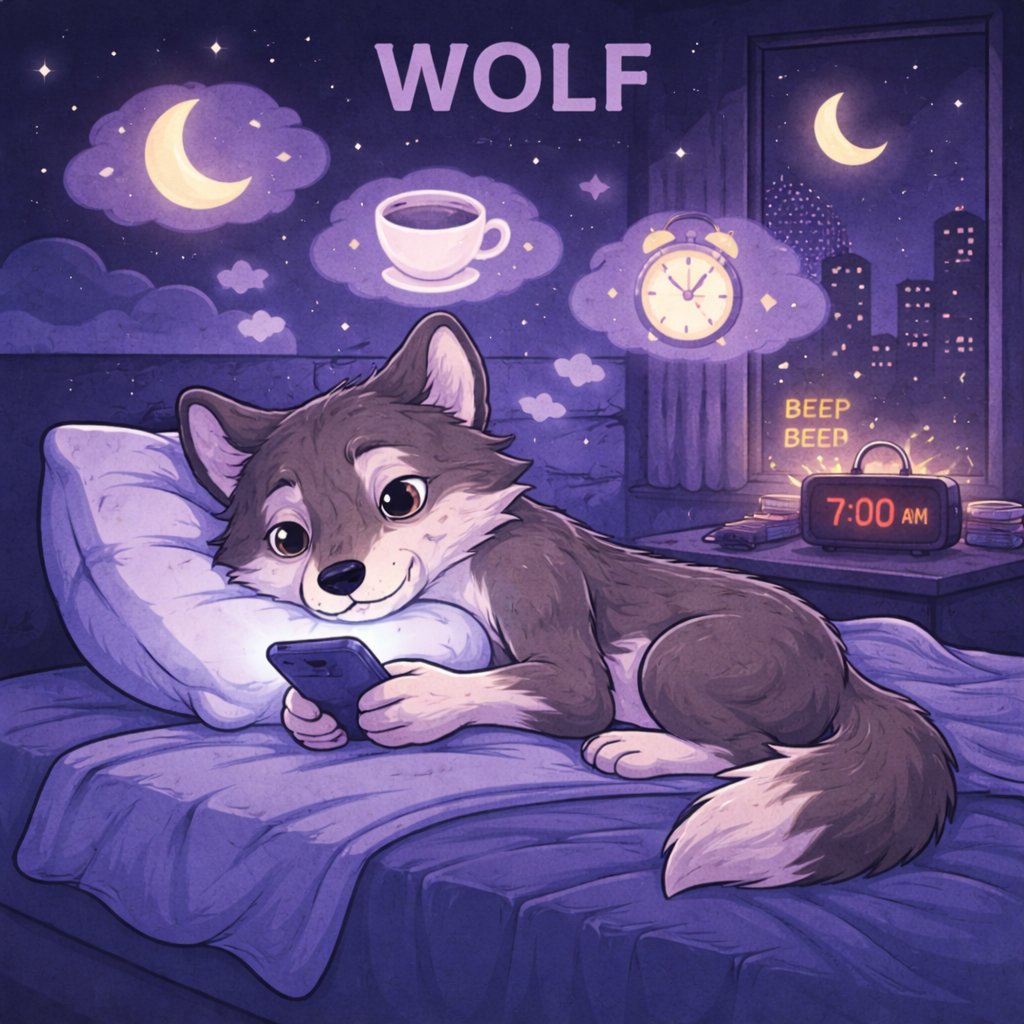
Wolf: Delayed Clock
Your biology is pulling the night later than your life comfortably allows.
These animals are often more about mistimed sleep than broken sleep. Biology, travel, work hours, and light exposure all change where the night wants to land.
Interpretation
How to read this phenotype
Your biology is pulling the night later than your life comfortably allows. [1] [2]
Read this phenotype as a timing issue before you read it as a discipline issue. If you sleep better on weekends, vacations, or self-directed days, the clock mismatch itself is probably part of the story. Most people in this lane improve when wake time, light timing, and schedule drift get more deliberate. The aim is to move biology and routine closer together, not to shame yourself into a different chronotype. Timing matters more than force here: the same tool can help or backfire depending on when it is used. [3] [4] [5]
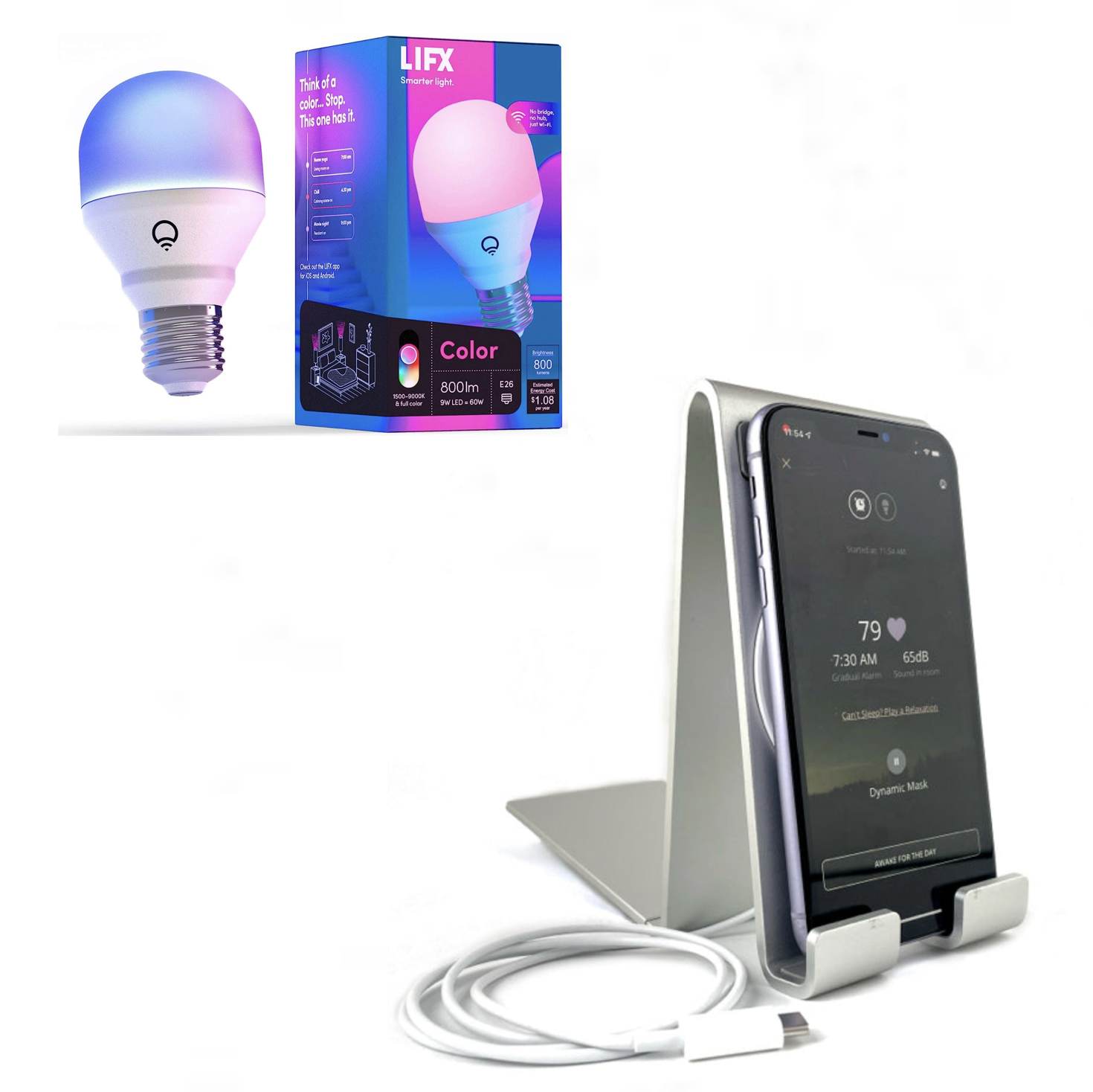
That is where SleepSpace becomes more useful than a static score alone: it can help you see the pattern more clearly and, when appropriate, respond in real time with sound and light changes while the night is still unfolding. [6]
What this often looks like
Common signals in real life
- Your biology is pulling the night later than your life comfortably allows.
- The sleeper often feels competent at sleeping, but at the wrong time for real life.
- Workdays and free days can drift apart, creating a social-jet-lag effect.
- Light exposure, schedule anchors, and travel pressure matter more than people realize.
- The right intervention usually targets timing first, not only relaxation.
Why this page exists
What makes Wolf distinct
The best long-form copy here frames late and early timing as biologic patterns that can be nudged and supported, rather than moral failures of discipline.
Use light, timing, and consistency as circadian levers. SleepSpace can help you shift later timing more intentionally and reduce the cost of delay.
Scientific read
The circadian literature consistently shows that some sleepers are mistimed more than they are broken. The body can produce healthy sleep, but at a time that collides with work, school, or family demands. That is why delayed and irregular timing can look like insomnia from the outside. The deeper issue is often a mismatch between biologic night and social night, not a total inability to sleep. Light timing, melatonin timing, wake time, and schedule drift matter because they tell the clock what time it is. Once those anchors move around, the rhythm often loses traction. The practical lesson is that precise timing usually helps more than self-criticism. The most effective changes tend to feel biological and repeatable rather than moralistic. [7] [10] [13]
This is also why late evening light keeps showing up in the literature. It is one of the clearest modern ways to push sleep later and make mornings feel worse. These papers repeatedly make one point clear: some sleepers are mistimed more than they are broken, and they often look much healthier on self-directed schedules than on forced ones. That is why wake time, light timing, and schedule consistency can matter more than trying to bully the body into an earlier identity overnight. Timing matters more than force here: the same tool can help or backfire depending on when it is used. [8] [11] [14]
Evening light exposure can stretch sleep latency, delay circadian timing, and leave the next morning feeling flatter than the total sleep time alone would predict. Actigraphy papers keep showing how much you learn when timing, duration, and fragmentation are tracked over enough nights to reveal the real pattern. The circadian literature consistently shows that some sleepers are mistimed more than they are broken. The body can produce healthy sleep, but at a time that collides with work, school, or family demands. That is why delayed and irregular timing can look like insomnia from the outside. The deeper issue is often a mismatch between biologic night and social night, not a total inability to sleep. [9] [12] [15]
Tracking and wearables
What data often helps separate this pattern from nearby ones
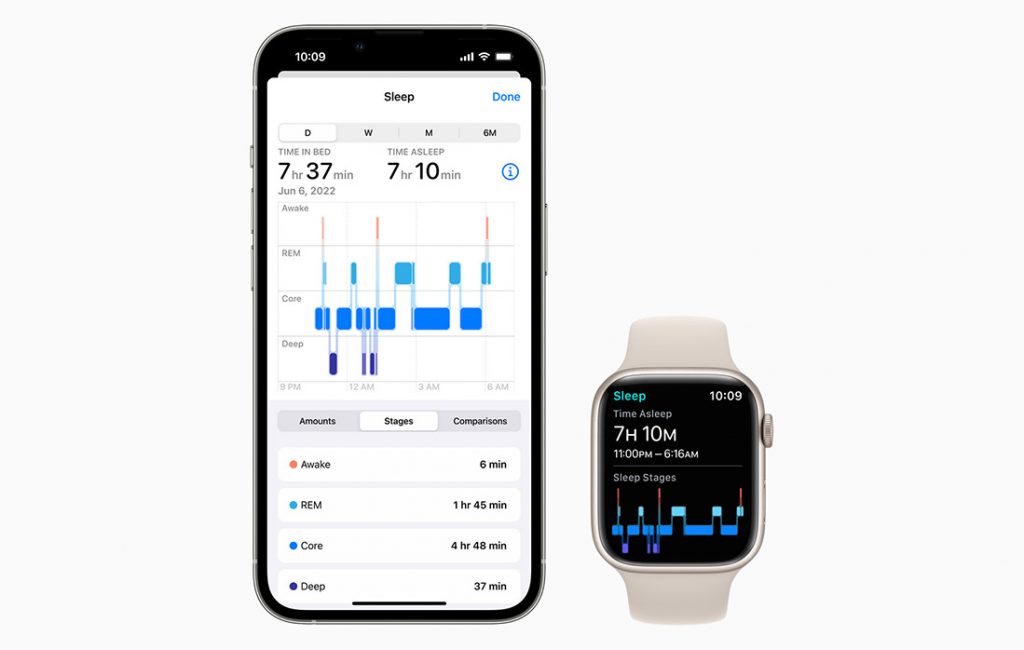
Here, the most revealing signals are often the gap between workdays and free days, consistency of rise time, timing of light exposure, and how quickly the schedule shifts after travel or rotating work. A diary plus wearable timing trend is often more informative than a single sleep score. [2] [13]
SleepSpace's own tracking and wearables articles are especially relevant for these pages because they reinforce the difference between a one-night impression and an interpretable pattern. That is useful for every phenotype, but it becomes essential when the mechanism changes with context. [11] [13] [12]

SleepSpace app features
Use these tools if you want to improve this pattern instead of just reading about it
Start with the assessment, download the app, and use the features below to turn this sleep animal into a practical plan.

SleepSpace feature
Sleep assessment
Start here if you want a clearer read on your sleep animal, your main bottlenecks, and what to work on first.
Learn how to use it
SleepSpace feature
Smart alarm
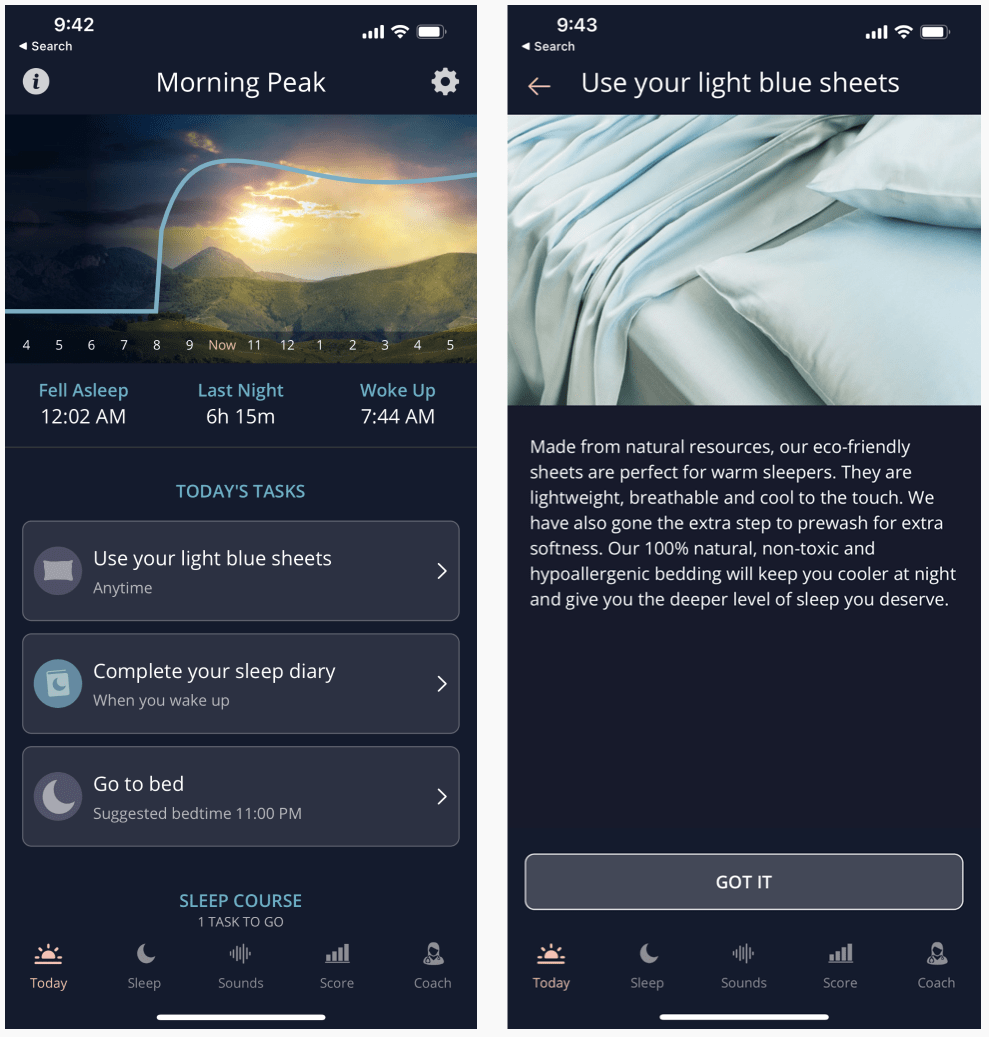
Use smart wake timing when your biggest issue is schedule drift, grogginess, or waking at the wrong point in the sleep cycle.
Learn how to use it
SleepSpace feature
Smart light ramp-up
Use light-based wake support when circadian timing, late mornings, travel, or schedule shift is part of the problem.
Learn how to use it
SleepSpace resources
SleepSpace resources that fit this phenotype
These were selected by spidering SleepSpace topic pages and product resources that match the mechanism cluster behind this animal.
SleepSpace article
SleepSpace learning hub
A broad SleepSpace article library that can serve as the hub resource on every page.
SleepSpace article
SleepSpace science page
Useful when the page needs a product-adjacent evidence destination.
SleepSpace article
Circadian schedule guide
Useful for circadian, travel, and timing-mismatch pages.
SleepSpace article
Tracking and wearables guide
Useful for pages that emphasize data quality, sleep diaries, and wearables.
FAQ
Questions Dr. Dan would expect about this animal
Quick answers to the questions people usually ask when this sleep pattern feels familiar.
What does the Wolf sleep animal mean?
This is a stronger delayed-timing phenotype than a general night owl pattern. Your body seems to resist sleep until later hours, and the mismatch can show up as long sleep latency, social jet lag, or chronic short sleep on workdays. The aim is not forcing an early identity overnight. It is strategically nudging the clock while protecting recovery. The most sustainable changes here usually feel gradual, biological, and precise rather than strict or punishing. This long-form page treats Wolf as a sleep phenotype: a memorable wrapper around a recurring pattern that likely clusters across schedule, physiology, stress load, and next-day restoration. The goal is not to claim a formal diagnosis. The goal is to make the likely mechanism more understandable and the next step more obvious. This is educational guidance to help you recognize the pattern, not a medical diagnosis.
What should you track if this wolf pattern sounds like you?
Here, the most revealing signals are often the gap between workdays and free days, consistency of rise time, timing of light exposure, and how quickly the schedule shifts after travel or rotating work. A diary plus wearable timing trend is often more informative than a single sleep score. [2] [13] Start with the SleepSpace sleep assessment and then use the app to watch what happens to timing, continuity, symptoms, and next-day recovery over time.
When should you get extra help for wolf-style sleep problems?
If this pattern is getting more intense, affecting safety, or leaving you persistently exhausted, treat this page as educational and talk with a doctor or sleep specialist. SleepSpace can help you organize the pattern, but medical concerns still deserve medical care.
Important note
Bring a delayed clock closer to real life
The phenotype language is educational and pattern-based. It becomes most useful when paired with trend data, practical experimentation, and medical follow-up when symptoms are severe, persistent, or safety-relevant.
Use SleepSpace to guide a later body clock with more precision and less frustration.
Research references
Selected citations for this page
Show citations (15)
- Lack et al. (2007). Chronobiology of sleep in humans.
Timing matters more than force here: the same tool can help or backfire depending on when it is used.
Full article - Wyatt et al. (2006). Circadian phase in delayed sleep phase syndrome: predictors and temporal stability across multiple assessments.
Timing matters more than force here: the same tool can help or backfire depending on when it is used.
Full article - Steele et al. (2005). The effect of traumatic brain injury on the timing of sleep.
This review is useful because timing matters more than force here: the same tool can help or backfire depending on when it is used.
Full article - Steriade et al. (2006). Grouping of brain rhythms in corticothalamic systems.
Deep-sleep papers matter here because they connect restoration to what the brain is doing during the night, not just how long the sleeper stayed in bed.
Full article - Goel et al. (2009). Circadian rhythm profiles in women with night eating syndrome.
This trial is especially relevant because timing matters more than force here: the same tool can help or backfire depending on when it is used.
Full article - Burgess et al. (2004). Early versus late bedtimes phase shift the human dim light melatonin rhythm despite a fixed morning lights on time.
Timing matters more than force here: the same tool can help or backfire depending on when it is used.
Full article - Vuori et al. (1988). Epidemiology of exercise effects on sleep.
Timing matters more than force here: the same tool can help or backfire depending on when it is used.
Full article - Chellappa et al. (2013). Acute exposure to evening blue-enriched light impacts on human sleep.
Evening light exposure can stretch sleep latency, delay circadian timing, and leave the next morning feeling flatter than the total sleep time alone would predict.
Full article - Barion et al. (2007). A clinical approach to circadian rhythm sleep disorders.
Timing matters more than force here: the same tool can help or backfire depending on when it is used.
Full article - Bjorvatn et al. (2009). A practical approach to circadian rhythm sleep disorders.
Timing matters more than force here: the same tool can help or backfire depending on when it is used.
Full article - Morgenthaler et al. (2007). Practice parameters for the clinical evaluation and treatment of circadian rhythm sleep disorders. An American Academy of Sleep Medicine report.
Actigraphy papers keep showing how much you learn when timing, duration, and fragmentation are tracked over enough nights to reveal the real pattern.
Full article - Cajochen et al. (2010). What keeps us awake?--the role of clocks and hourglasses, light, and melatonin.
This review is useful because timing matters more than force here: the same tool can help or backfire depending on when it is used.
Full article - Tordjman et al. (2012). Day and nighttime excretion of 6-sulphatoxymelatonin in adolescents and young adults with autistic disorder.
Timing matters more than force here: the same tool can help or backfire depending on when it is used.
Full article - Sasseville et al. (2006). Blue blocker glasses impede the capacity of bright light to suppress melatonin production.
Evening light exposure can stretch sleep latency, delay circadian timing, and leave the next morning feeling flatter than the total sleep time alone would predict.
Full article - Forsling et al. (2002). The effect of exogenous melatonin on stimulated neurohypophysial hormone release in man.
This trial is especially relevant because timing matters more than force here: the same tool can help or backfire depending on when it is used.
Full article
Nearby profiles
Other animals in the same neighborhood
Related animal
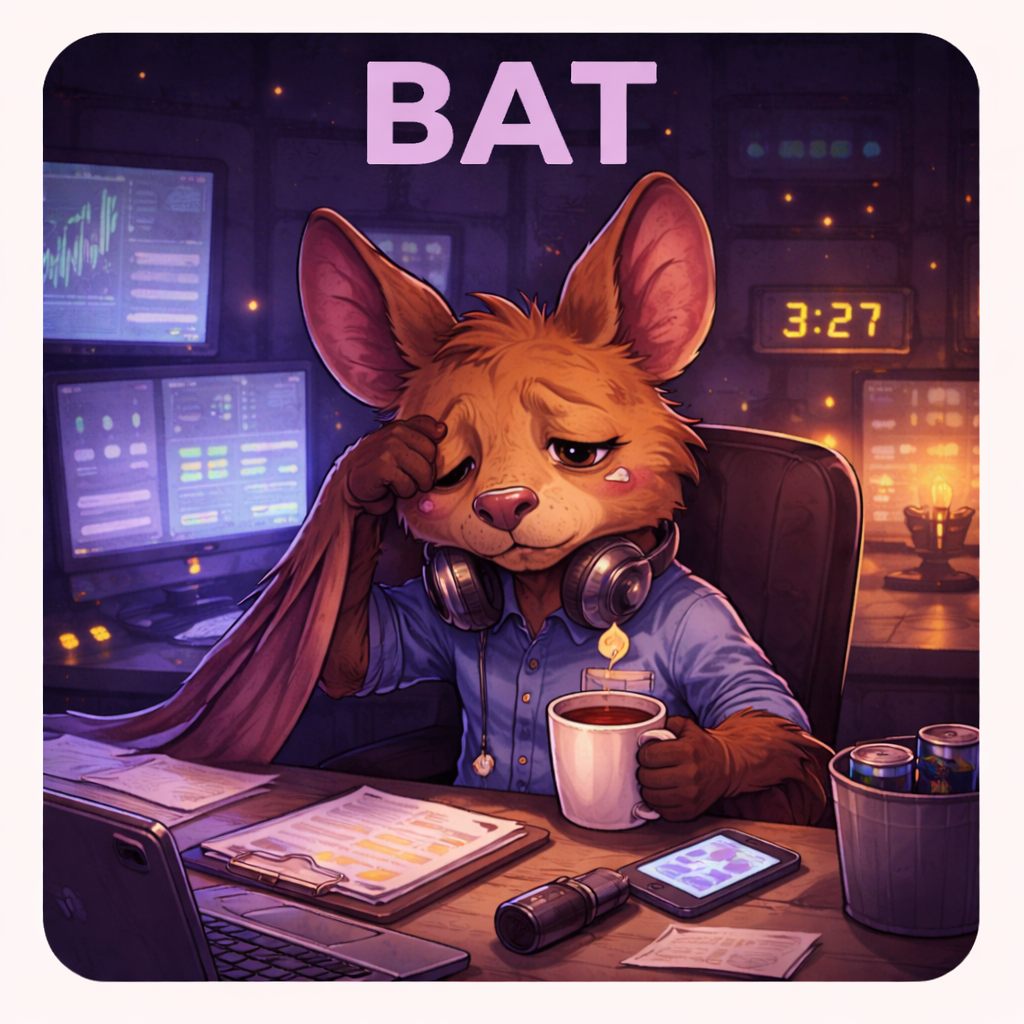
Bat
Shift Worker
Your sleep has to perform under conditions biology did not design for.

Related animal
Gazelle
Jet-Lag Hopper
You may be sleeping in multiple time zones, even when your body is still in the last one.
Related animal
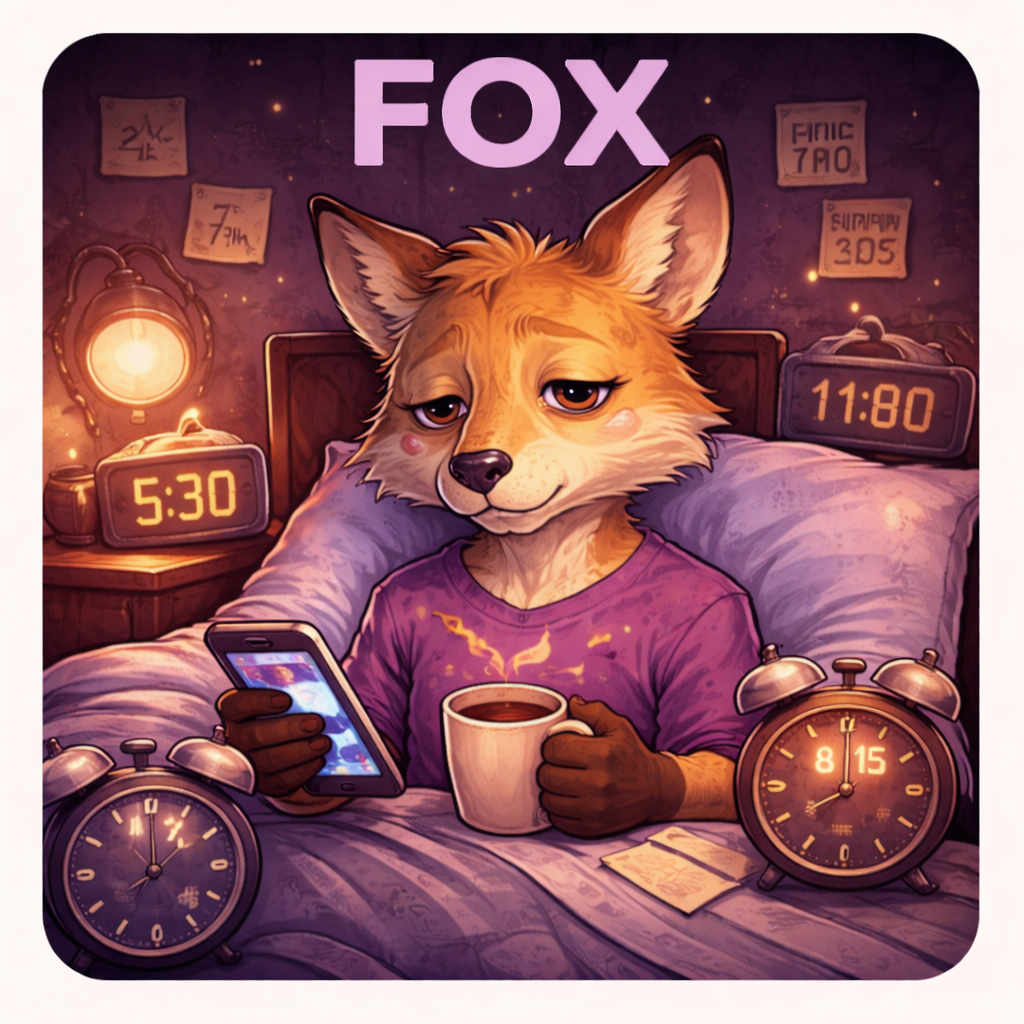
Fox
Irregular Schedule Sleeper
Your sleep is adapting to a moving target.