
Sleep science / Better bedtime habits
Before you chase a better sleep score, make your room darker.
A sleep tracker can show you patterns. A well-fitting sleep mask can help you change one thing that matters: light reaching your eyes.
Disclosure: Dore & Rose is a client. I founded SleepSpace. This article discusses research and product design, not results from a personal or clinical test of this mask.
Purchase the mask and unlock 30 days of SleepSpace Premium free. Pair a darker night with guided relaxation, sleep insights, and tools for your bedtime routine.
SleepSpace Premium renews as a paid subscription after 30 days unless canceled. Cancel anytime; cancel before the free period ends to avoid renewal charges.
Better sleep starts before the score.
My approach to sleep technology is simple: information should lead to something useful. If you wake up tired, another chart is not the whole answer. Ask what you can change about the night ahead.
Sometimes that means a more consistent schedule. Sometimes it means a calmer wind-down. And sometimes it means blocking the streetlight, hallway glow, or early daylight reaching your bed.
A sleep mask does not have to be high-tech to be useful. Its job is to reduce light comfortably enough that you want to keep wearing it.
Why darkness deserves your attention.
Light and darkness help regulate sleep timing. A darker sleeping environment removes a potential disturbance, particularly when curtains cannot solve the problem. NIH guidance recommends a quiet, cool, dark bedroom. Read the guidance.
A mask is a portable way to address light in a shared room, unfamiliar hotel, or daytime sleep setting. It cannot cancel noise, fix an irregular schedule, or treat a sleep disorder. But it can address the light reaching your eyes.
What the research actually tells us.
A 2023 study in Sleep tested overnight eye-mask use in young adults at home. It reported benefits on learning and alertness measures, with a second experiment replicating the learning finding. Read the study.
A published reanalysis questioned how clear and meaningful those benefits were. That is a reason to keep the promise modest: light-blocking is worth considering, not a guaranteed brain boost. Neither paper establishes that this Dore & Rose mask increases REM or deep sleep. Read the reanalysis.
The product / The practical fit
What matters in a mask you will actually wear.
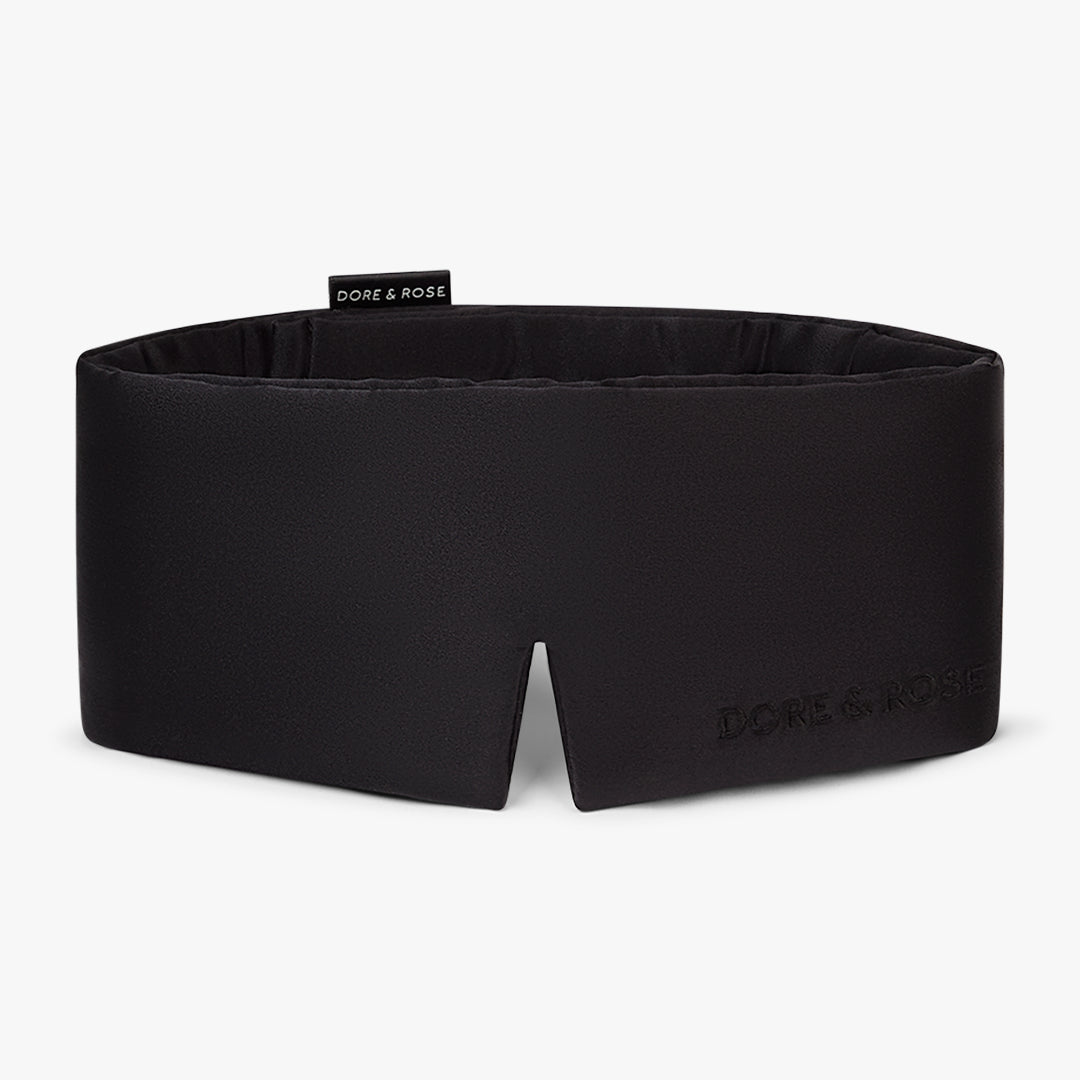
Dore & Rose describes its Deep Sleep Mask as a mulberry-silk, adjustable design weighing 40 grams. Those are relevant design features; your own fit is the deciding factor. See the product specifications.
Darkness without gaps.
Check for light around your nose and cheeks while lying in your usual sleep position.
Comfort without squeezing.
The strap should feel secure without pressure on your eyes. Adjust it before settling down.
A fit that stays useful.
Turn onto your side. Notice whether the mask shifts, feels hot, or becomes a distraction.
These are selection criteria, not findings from a hands-on test. Follow the manufacturer's care instructions and stop using a mask if it causes discomfort or irritation.
A practical experiment, not a clinical trial
Try it for two weeks. Watch the pattern.
You do not need a wearable to ask whether a mask helps you. A short morning diary can be enough. Here is a simple self-check I would use:
- Observe your usual nights for one week. Note when you tried to sleep, roughly how long falling asleep took, remembered awakenings, and how rested you feel.
- Add the mask for the next week. Keep your schedule and other habits as similar as practical. Note comfort, light leakage, and whether it stayed on.
- Compare the weeks, not the best nights. Look for a repeatable difference in comfort, perceived sleep, and morning energy. Note travel, illness, alcohol, or unusual stress.
This before-and-after check cannot isolate cause and effect. Expectations and changing routines can influence the result. Its purpose is to help you decide whether the mask earns a place in your routine.
Do not let one sleep score make the decision. How you feel, how comfortably you sleep, and whether you keep using the mask matter too.
Use tracking as feedback, not a verdict.
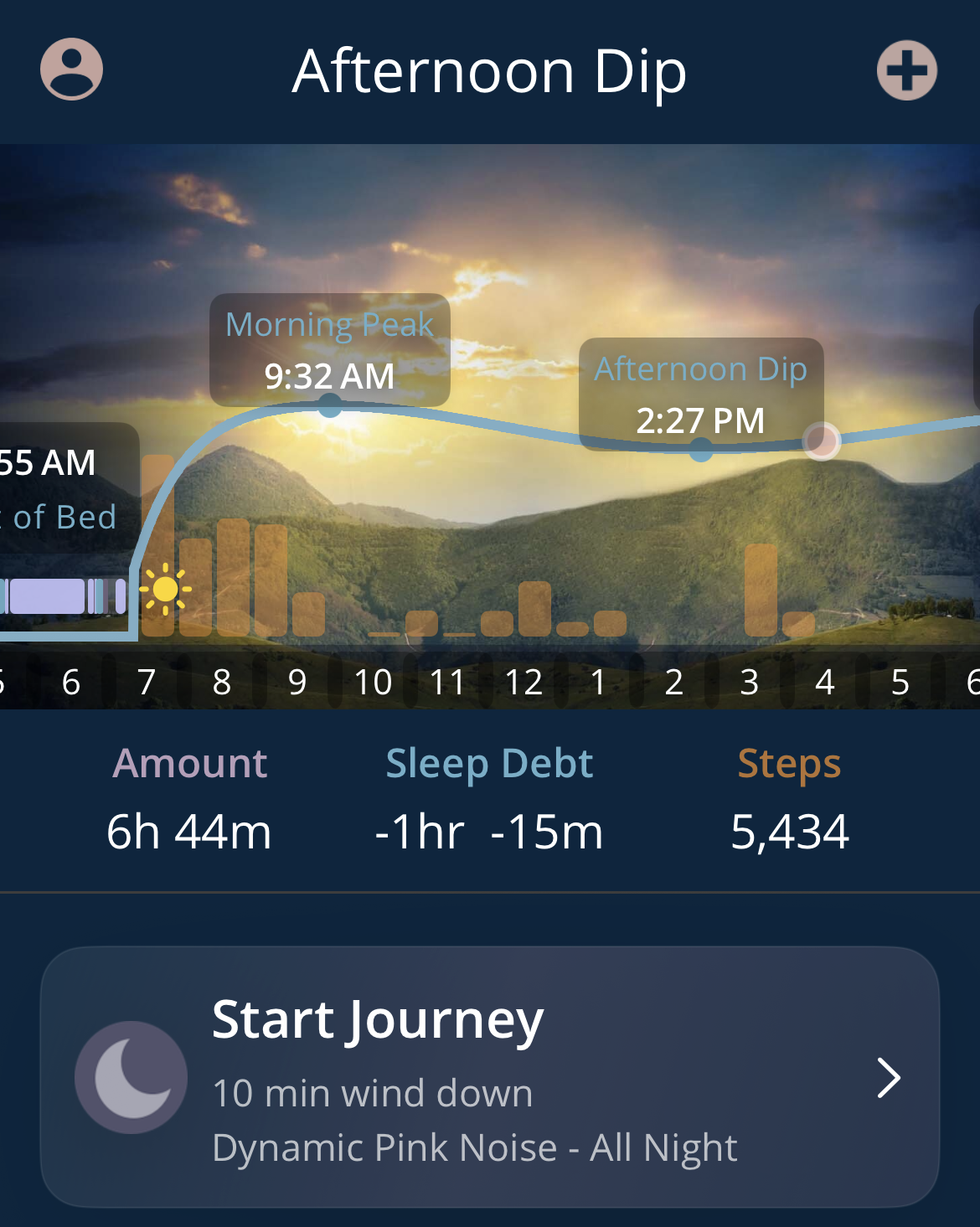
Start with the SleepSpace app on your compatible phone. Your sleep diary and basic tracking summaries stay free, with no wearable purchase required. Keep the same tracking setup throughout your self-check.
Consumer sleep stages are estimates. A change in a deep-sleep bar does not prove that a mask changed your brain activity. Use the diary to add what a sensor cannot know: when you intended to sleep and how the night felt.

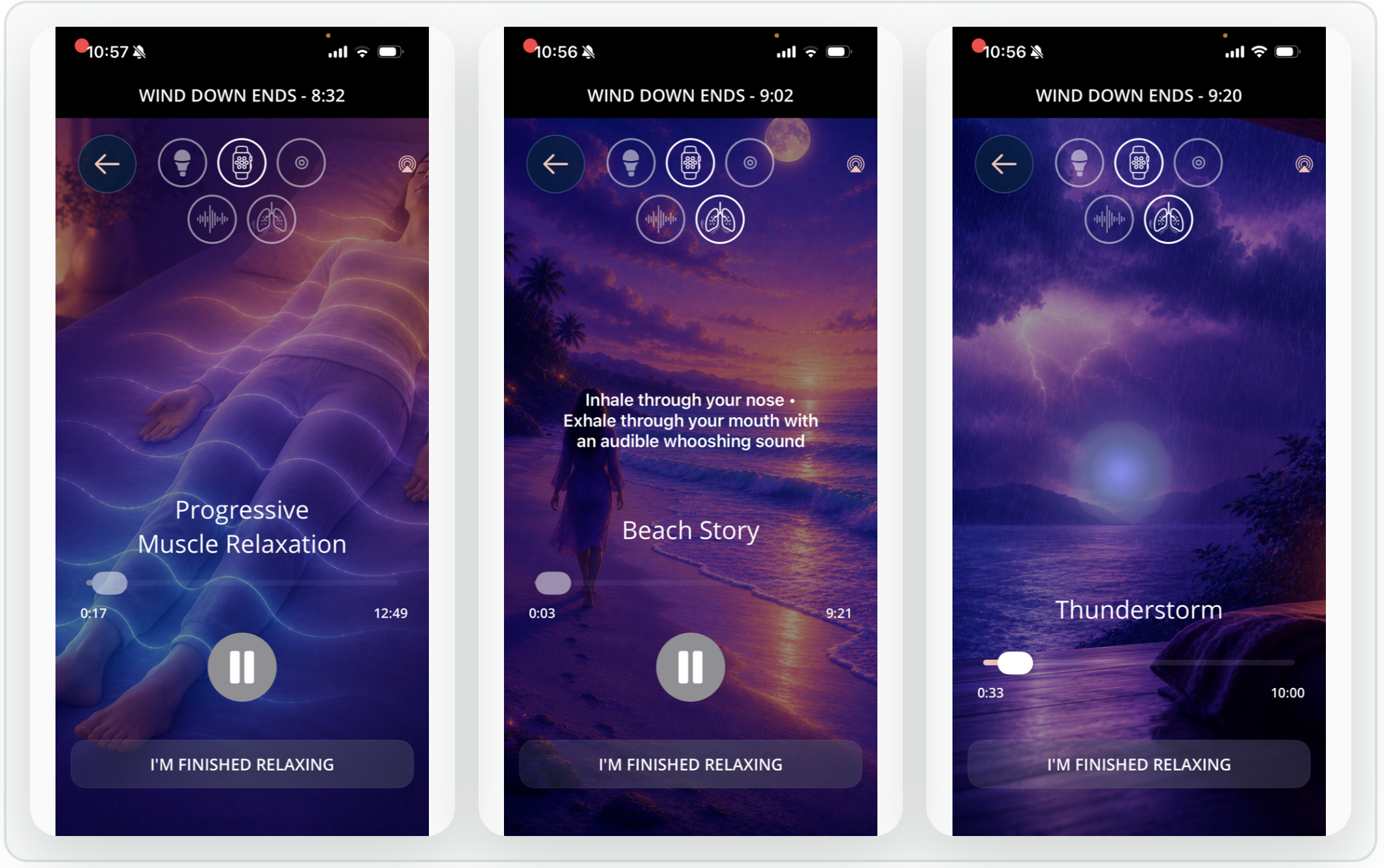
Your mask purchase unlocks 30 free days of SleepSpace Premium. Explore guided relaxation, adaptive sounds, and detailed sleep insights alongside your diary. Use your compatible phone; no wearable purchase required.
Premium renews as a paid subscription after 30 days unless canceled. Cancel anytime; cancel before the free period ends to avoid renewal charges. Basic diary access and tracking summaries remain free without Premium.
My takeaway
Make the night easier. Then measure what changes.
If unwanted light is part of your sleep problem, a comfortable mask is a practical place to start. Dore & Rose's Deep Sleep Mask is an option to consider for an adjustable silk design.
Pair it with a consistent routine, give yourself time to adjust, and look for a pattern that matters to you. Better sleep is the goal. The score is only feedback.
Start with the mask. Unlock 30 days of SleepSpace Premium free.
SleepSpace Premium renews as a paid subscription after 30 days unless canceled. Cancel anytime; cancel before the free period ends to avoid renewal charges.
Check current pricing, fit information, and return terms before buying. Persistent sleep difficulties, loud snoring, or significant daytime sleepiness deserve a clinician's attention; a mask is not a treatment for insomnia or sleep apnea.
About the author
Dr. Dan Gartenberg is a sleep scientist and the founder of SleepSpace. His focus is connecting sleep insights with practical tools and routines.