
Nonrestorative and Optimization phenotype
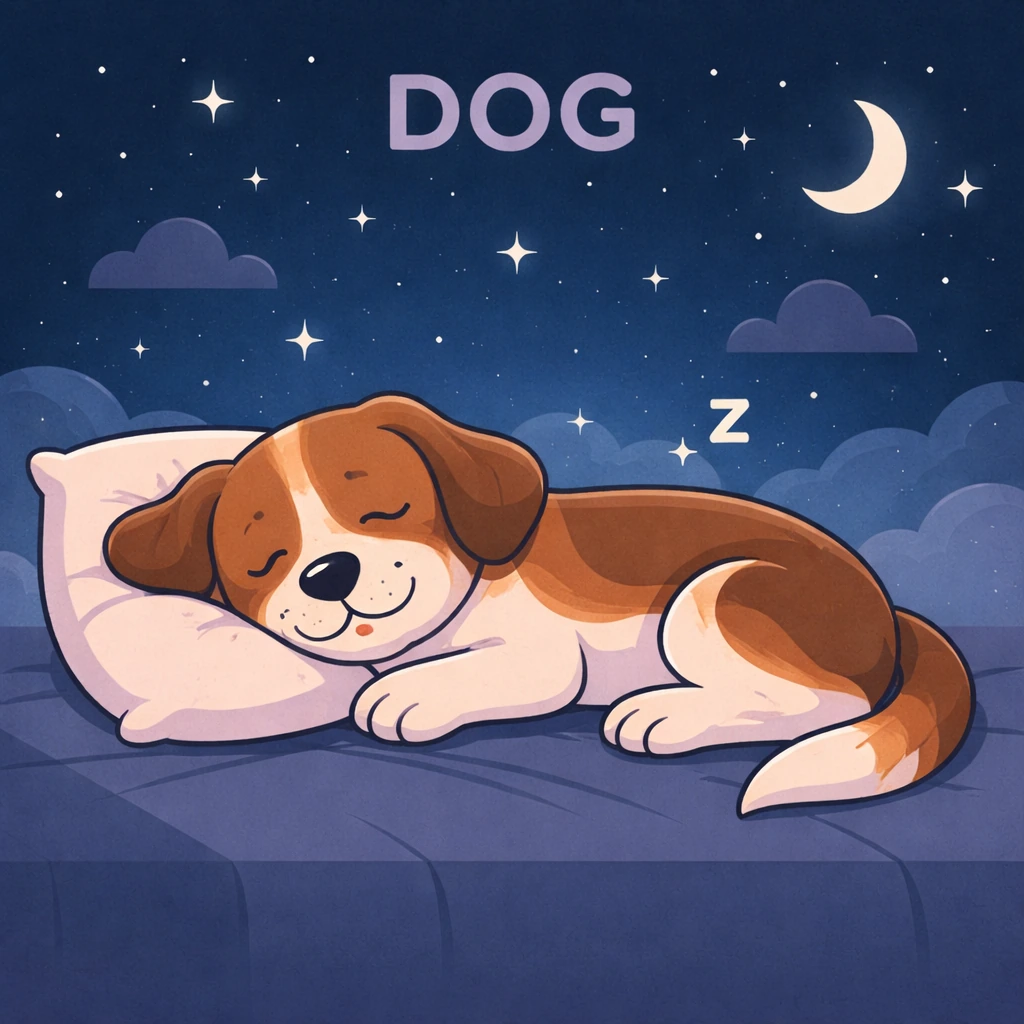
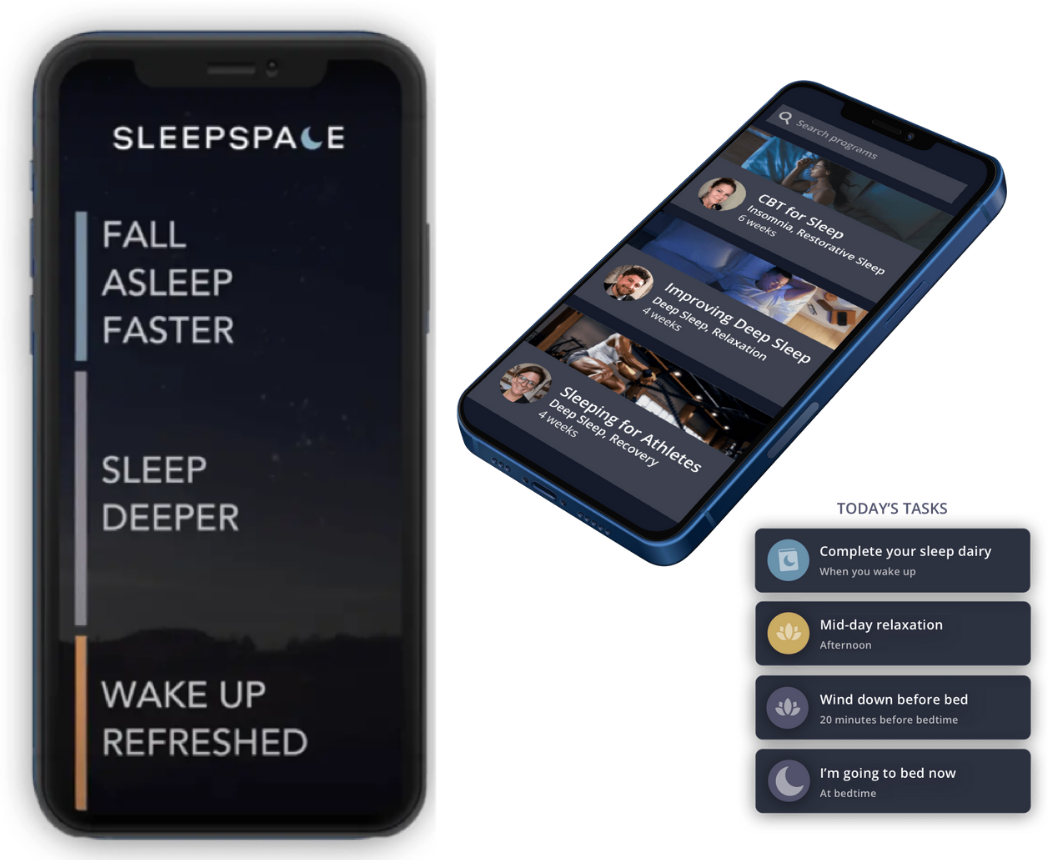
Dog: Flexible Sleeper
Your sleep appears resilient, adaptable, and generally healthy.
These animals are defined by whether the night actually delivers restoration, efficiency, and repeatable next-day readiness.

Interpretation
How to read this phenotype
Your sleep appears resilient, adaptable, and generally healthy. [1] [2]
Read this phenotype by separating sleeping from restoring. You can sleep a respectable number of hours and still wake up undercharged if depth, continuity, or physiology are not supporting recovery well. The practical question here is not just how long the night was. It is whether the night was deep enough, quiet enough, and stable enough to leave you feeling rebuilt the next day. Strategic naps can restore more than people expect when the alternative is trying to grind through a biologically low period. [3] [4] [5]
Deep sleep is not just about logging enough hours; it is where the night often becomes truly restorative. A recurring finding in the sleep-loss literature is that people feel more adapted than their attention, mood, and reaction time really are. That is where SleepSpace becomes more useful than a static score alone: it can help you see the pattern more clearly and, when appropriate, respond in real time with sound and light changes while the night is still unfolding. [6]
What this often looks like
Common signals in real life
- Your sleep appears resilient, adaptable, and generally healthy.
- The central question is whether the night actually pays out in restoration.
- Tracking can be especially useful because people often overestimate or underestimate the quality of a decent-looking night.
- Small changes in rhythm, environment, or recovery rituals can produce outsized improvements.
- This cluster often benefits from distinguishing sleep quantity from sleep architecture and recovery quality.
Why this page exists
What makes Dog distinct
These pages should distinguish sleeping enough from feeling restored, while also showing how tracking can sharpen the difference.
Use SleepSpace to stay aware of subtle drift and reinforce habits that keep your sleep strong over time. Optimization is likely to feel simple and rewarding for you.
Scientific read
Restorative-sleep papers repeatedly separate time in bed from what the brain and body actually get out of the night. Depth, continuity, and architecture still matter. Slow-wave and recovery research is especially useful here because it frames good sleep as an active biologic process rather than a passive shutdown. This is also why recovery and readiness trends can matter even when a sleeper is not obviously ill. The body often tells the truth about restoration before the mind does. The practical lesson is that optimization starts with consistency and clean recovery inputs before it moves into more advanced support tools. [7] [10] [13] [16]
If this animal fits you, the night is not just about avoiding bad sleep. It is about protecting the kind of sleep that actually rebuilds you. The restoration literature keeps separating “slept” from “rebuilt.” A respectable night on paper can still underdeliver if depth, continuity, or architecture never settle properly. This is also where the interesting work on slow-wave support, recovery quality, and next-day clarity becomes more practical than it first sounds. Deep-sleep papers matter here because they connect restoration to what the brain is doing during the night, not just how long the sleeper stayed in bed. [8] [11] [14] [17]
A recurring finding in the sleep-loss literature is that people feel more adapted than their attention, mood, and reaction time really are. Deep sleep is not just about logging enough hours; it is where the night often becomes truly restorative. Strategic naps can restore more than people expect when the alternative is trying to grind through a biologically low period. Timing matters more than force here: the same tool can help or backfire depending on when it is used. [9] [12] [15] [18]
Tracking and wearables
What data often helps separate this pattern from nearby ones
The most useful data usually combine diary context with wearables: consistency, recovery trends, overnight fragmentation, timing, and whether the sleeper's subjective readiness matches the objective-looking night. [1] [13]
SleepSpace's own tracking and wearables articles are especially relevant for these pages because they reinforce the difference between a one-night impression and an interpretable pattern. That is useful for every phenotype, but it becomes essential when the mechanism changes with context. [11] [13] [12]
SleepSpace app features
Use these tools if you want to improve this pattern instead of just reading about it
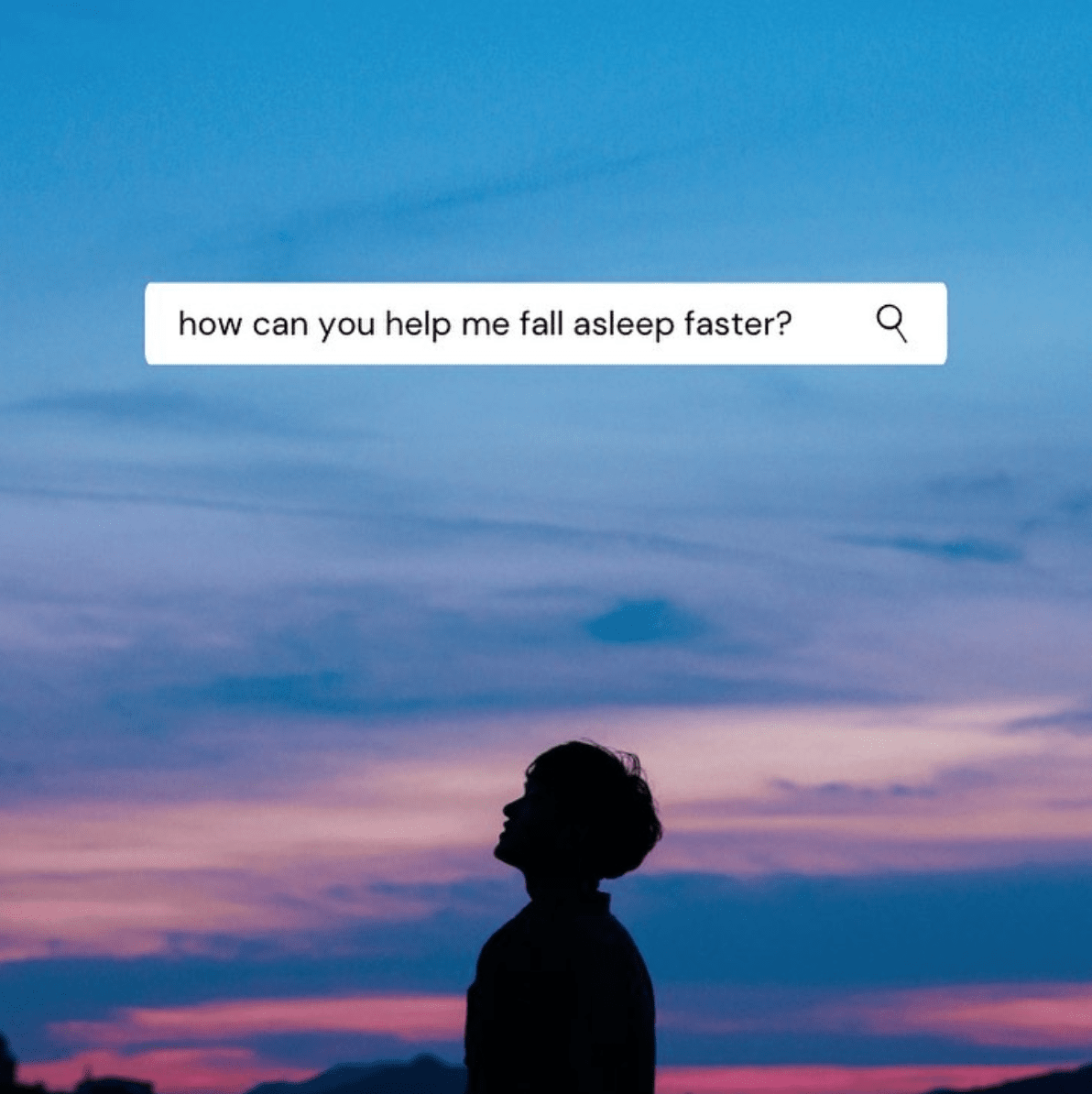
Start with the assessment, download the app, and use the features below to turn this sleep animal into a practical plan.
SleepSpace feature
Sleep assessment
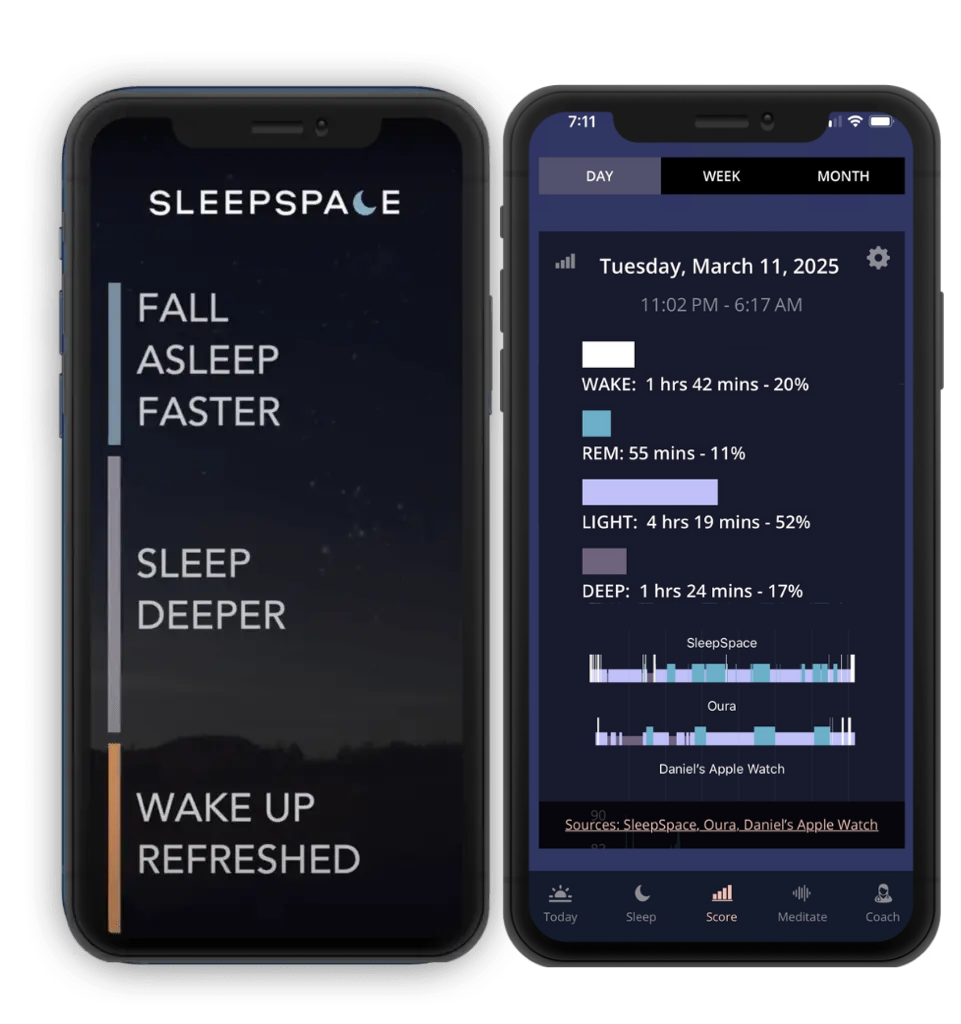
Start here if you want a clearer read on your sleep animal, your main bottlenecks, and what to work on first.
Learn how to use it
SleepSpace feature
Sleep diary
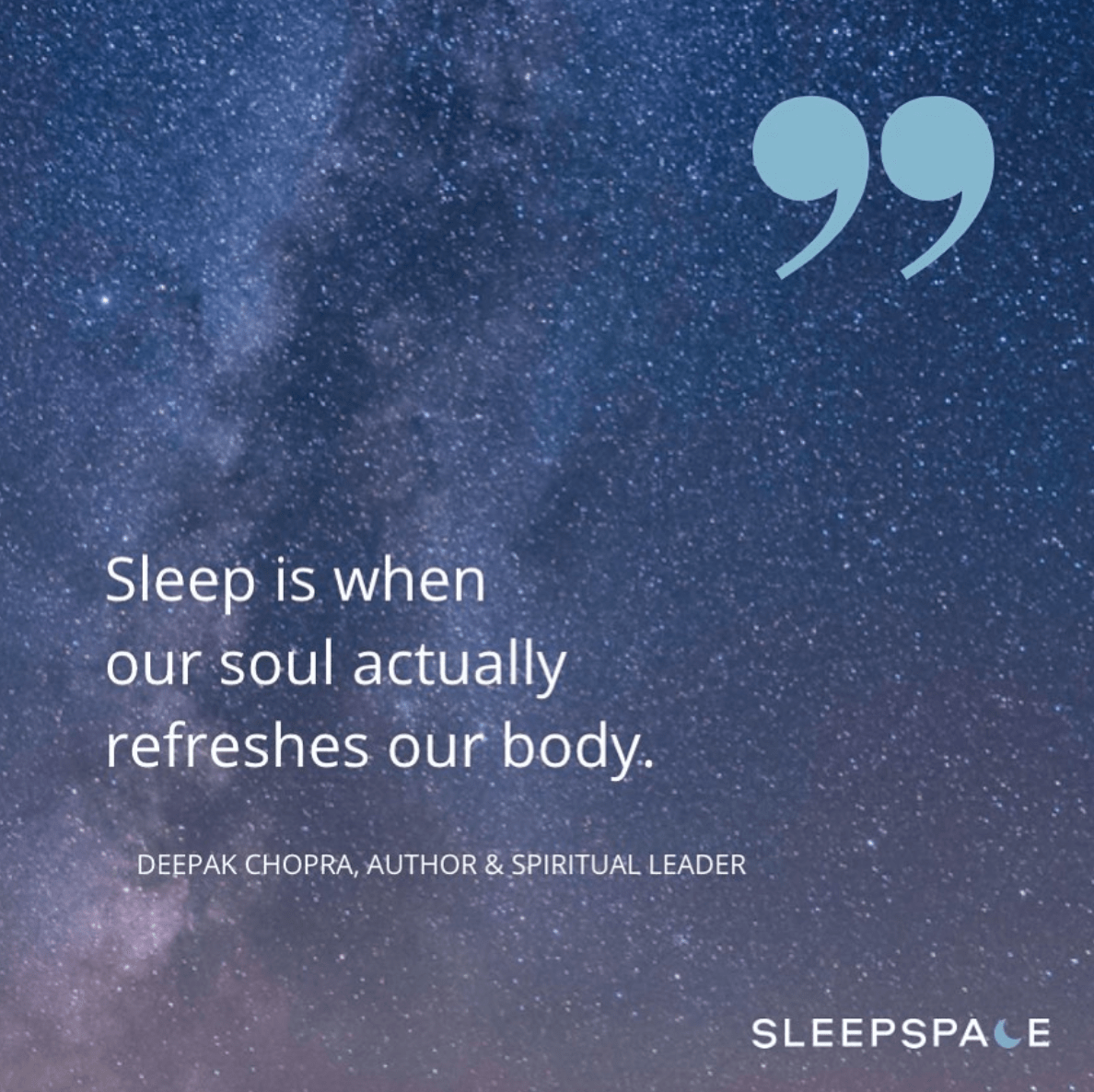
Use the diary to catch patterns in timing, awakenings, stress, recovery, and what actually changed from one night to the next.
Learn how to use it
SleepSpace feature
Weekly sleep stats
Use weekly trends to see whether you are actually improving instead of judging everything from one rough night.
Learn how to use it
SleepSpace resources
SleepSpace resources that fit this phenotype
These were selected by spidering SleepSpace topic pages and product resources that match the mechanism cluster behind this animal.
SleepSpace article
SleepSpace learning hub
A broad SleepSpace article library that can serve as the hub resource on every page.
SleepSpace article
SleepSpace science page
Useful when the page needs a product-adjacent evidence destination.
SleepSpace article
Tracking and wearables guide
Useful for pages that emphasize data quality, sleep diaries, and wearables.
SleepSpace article
SleepSpace Phone system
Useful for pages that talk about integrated tracking, environment control, and bedside sleep technology.
SleepSpace article
Sound masking guide
Useful for noise, partner, and light-sleeper pages.
FAQ
Questions Dr. Dan would expect about this animal
Quick answers to the questions people usually ask when this sleep pattern feels familiar.
What does the Dog sleep animal mean?
You seem able to sleep reasonably well without needing perfect conditions every single night. That flexibility is a strength. It often means your baseline recovery system is solid. Your best next step is to make sure flexibility does not slowly turn into inconsistency. Resilience is powerful here, but it works best when it is supported by just enough structure. This long-form page treats Dog as a sleep phenotype: a memorable wrapper around a recurring pattern that likely clusters across schedule, physiology, stress load, and next-day restoration. The goal is not to claim a formal diagnosis. The goal is to make the likely mechanism more understandable and the next step more obvious. This is educational guidance to help you recognize the pattern, not a medical diagnosis.
What should you track if this dog pattern sounds like you?
The most useful data usually combine diary context with wearables: consistency, recovery trends, overnight fragmentation, timing, and whether the sleeper's subjective readiness matches the objective-looking night. [1] [13] Start with the SleepSpace sleep assessment and then use the app to watch what happens to timing, continuity, symptoms, and next-day recovery over time.
When should you get extra help for dog-style sleep problems?
If this pattern is getting more intense, affecting safety, or leaving you persistently exhausted, treat this page as educational and talk with a doctor or sleep specialist. SleepSpace can help you organize the pattern, but medical concerns still deserve medical care.
Important note
Strengthen what is already working
The phenotype language is educational and pattern-based. It becomes most useful when paired with trend data, practical experimentation, and medical follow-up when symptoms are severe, persistent, or safety-relevant.
SleepSpace helps flexible sleepers stay consistent, recover well, and keep healthy patterns from eroding over time.
Research references
Selected citations for this page
Show citations (18)
- Oudiette et al. (2013). Upgrading the sleeping brain with targeted memory reactivation.
Strategic naps can restore more than people expect when the alternative is trying to grind through a biologically low period.
Full article - Meijer et al. (2001). Mental health, parental rules and sleep in pre-adolescents.
Deep sleep is not just about logging enough hours; it is where the night often becomes truly restorative.
Full article - Blatter et al. (2005). Sleep loss-related decrements in planning performance in healthy elderly depend on task difficulty.
A recurring finding in the sleep-loss literature is that people feel more adapted than their attention, mood, and reaction time really are.
Full article - Montagnese et al. (2009). Sleep-wake patterns in patients with cirrhosis: all you need to know on a single sheet. A simple sleep questionnaire for clinical use.
Deep sleep is not just about logging enough hours; it is where the night often becomes truly restorative.
Full article - Ferrara et al. (1999). Auditory arousal thresholds after selective slow-wave sleep deprivation.
A recurring finding in the sleep-loss literature is that people feel more adapted than their attention, mood, and reaction time really are.
Full article - Daurat et al. (2007). Slow wave sleep and recollection in recognition memory.
Deep-sleep papers matter here because they connect restoration to what the brain is doing during the night, not just how long the sleeper stayed in bed.
Full article - Ooms et al. (2017). Automated selective disruption of slow wave sleep.
Deep-sleep papers matter here because they connect restoration to what the brain is doing during the night, not just how long the sleeper stayed in bed.
Full article - Tucker et al. (2008). Enhancement of declarative memory performance following a daytime nap is contingent on strength of initial task acquisition.
A recurring finding in the sleep-loss literature is that people feel more adapted than their attention, mood, and reaction time really are.
Full article - Söderlund et al. (2007). Listen to the noise: noise is beneficial for cognitive performance in ADHD.
Deep sleep is not just about logging enough hours; it is where the night often becomes truly restorative.
Full article - Ficca et al. (2004). What in sleep is for memory.
Strategic naps can restore more than people expect when the alternative is trying to grind through a biologically low period.
Full article - Rogers et al. (1998). Effect of daytime oral melatonin administration on neurobehavioral performance in humans.
Timing matters more than force here: the same tool can help or backfire depending on when it is used.
Full article - Nilsson et al. (2005). Less effective executive functioning after one night's sleep deprivation.
A recurring finding in the sleep-loss literature is that people feel more adapted than their attention, mood, and reaction time really are.
Full article - Sadeh et al. (2002). Sleep, neurobehavioral functioning, and behavior problems in school-age children.
Actigraphy papers keep showing how much you learn when timing, duration, and fragmentation are tracked over enough nights to reveal the real pattern.
Full article - Buckhalt et al. (2007). Children's sleep and cognitive functioning: race and socioeconomic status as moderators of effects.
Actigraphy papers keep showing how much you learn when timing, duration, and fragmentation are tracked over enough nights to reveal the real pattern.
Full article - Krugliakova et al. (2022). Boosting Recovery During Sleep by Means of Auditory Stimulation.
Deep-sleep papers matter here because they connect restoration to what the brain is doing during the night, not just how long the sleeper stayed in bed.
Full article - Dinges et al. (2004). Critical research issues in development of biomathematical models of fatigue and performance.
This review is useful because the problem is often not just less sleep, but sleeping against the clock often enough that recovery never fully catches up.
Full article - Paßmann et al. (2016). Boosting slow oscillatory activity using tDCS during early nocturnal slow wave sleep does not improve memory consolidation in healthy older adults.
Deep-sleep papers matter here because they connect restoration to what the brain is doing during the night, not just how long the sleeper stayed in bed.
Full article - Mougin et al. (1991). Effects of sleep disturbances on subsequent physical performance.
Recovery-focused papers keep showing the same thing: a strong baseline is something to protect before it slips, not chase after it is gone.
Full article
Nearby profiles
Other animals in the same neighborhood

Related animal
Otter
Balanced Builder
You already have a workable foundation. Now it is about refinement.
Related animal
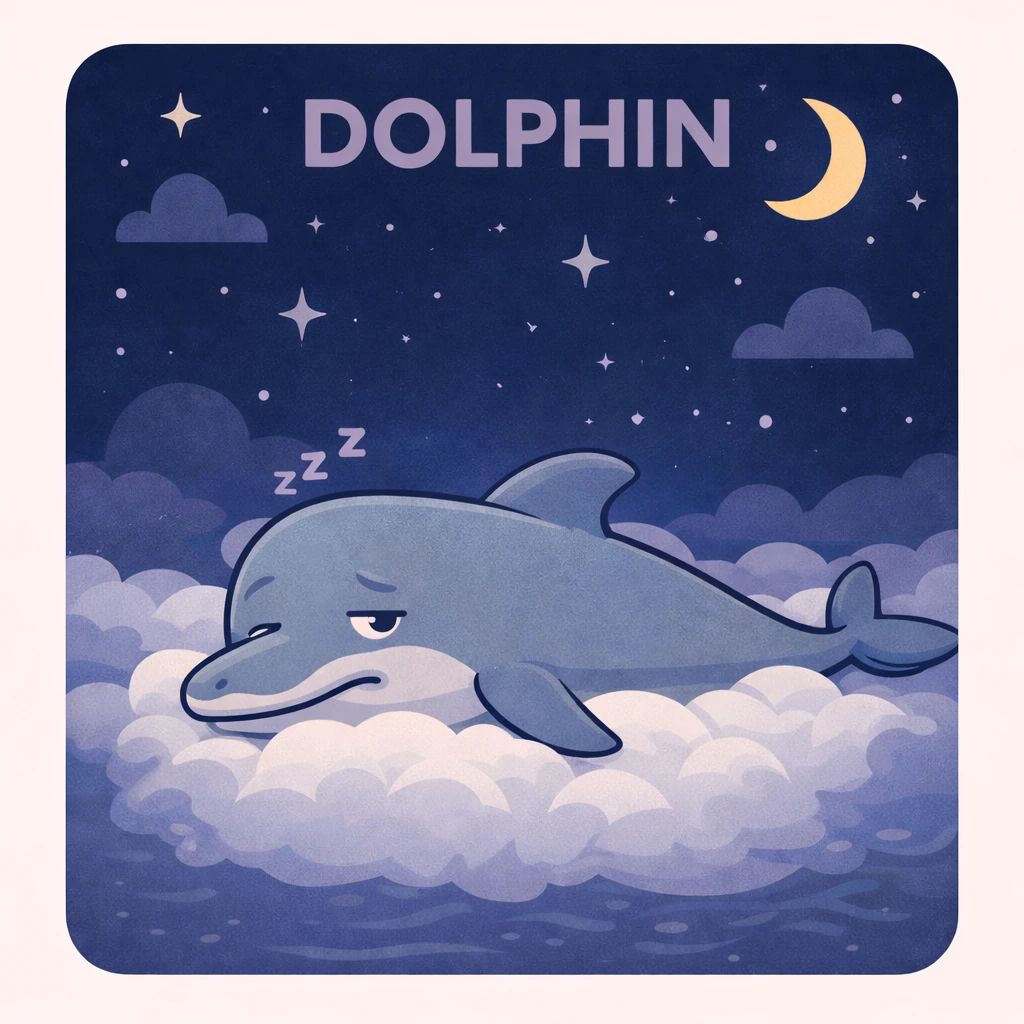
Dolphin
Half-Awake Sleeper
You are sleeping enough on paper, but not waking up as restored as you should.

Related animal
Hawk
Precision Performer
You are already functioning, but you want your sleep to sharpen performance.