
Sleep and Brain Health
How Deep Sleep Supports Mental Focus, Resilience, and Long-Term Brain Health
Deep sleep does more than help you feel rested. It helps the brain consolidate learning, restore focus, regulate stress, and support healthy cognitive aging.
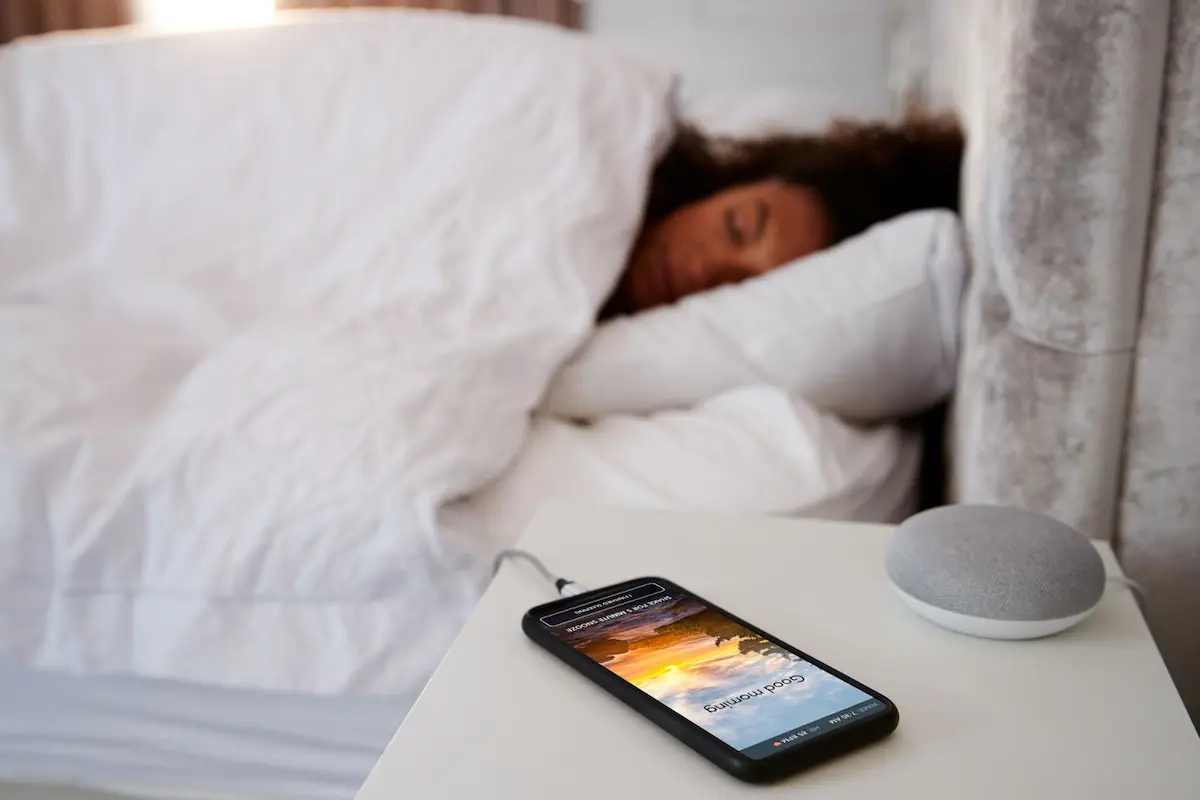
Deep sleep is best understood as active biological training rather than passive rest. It plays a central role in mental performance, emotional resilience, physical recovery, and long-term brain durability.
Circadian alignment, sound and light interventions, bedroom environment design, passive sensing, and CBT-I-informed behavior change can all help improve sleep quality and next-day cognitive performance. These ideas also shape Dr. Gartenberg’s contribution to the Mensa Foundation Colloquium 2026: Brain Health Across the Lifespan.
Why deep sleep matters for your brain
Rather than treating sleep as downtime, think of deep sleep as the period when the brain consolidates memory, supports neuroplasticity, regulates emotion, clears metabolic waste, and restores the body after physical and mental strain.
Sleep can also be improved systematically through circadian engineering, environmental optimization, adaptive sound stimulation, and data-guided interventions. SleepSpace combines passive sensing, smart alarms, sound and light tools, CBT-I principles, and AI-guided coaching to help users build better sleep and stronger next-day focus.
What better deep sleep can help you do
Stay sharper and learn more effectively
Deep sleep helps consolidate learning, improve memory, support synaptic plasticity, and stabilize emotional regulation, making it central to attention and mental clarity.
Build resilience across the lifespan
Sleep disruption can increase cognitive strain, inflammation, cardiometabolic stress, and vulnerability to burnout, which makes good sleep one of the most powerful long-term health levers.
Get more from your natural sleep rhythm
Deep sleep quality is shaped not just by duration, but by when sleep occurs and how closely wake time, light, temperature, and behavior patterns align with circadian rhythms.
Turn sleep data into action
The strongest sleep technology does more than display metrics. It measures, intervenes, and adapts so that sleep improvement becomes more practical and more personalized.
Featured speakers
The colloquium brings together leaders in sleep science, psychiatry, nutrition, trauma-informed care, and applied neuroscience to explore how brain health can be strengthened across the lifespan.
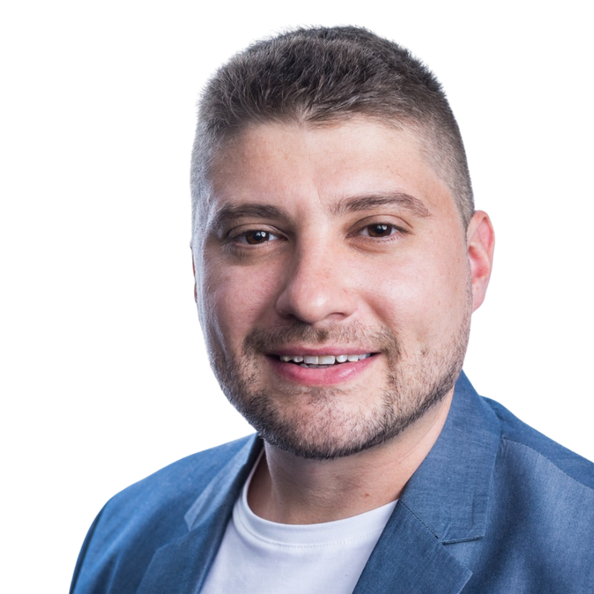
Dr. Dan Gartenberg
Sleep scientist, founder and CEO of SleepSpace, and adjunct professor at Penn State. His recent work has focused on deep sleep stimulation, cognitive performance, insomnia support, passive sleep sensing, and using sound, light, and AI-guided coaching to help people improve focus, resilience, and long-term brain health through better sleep.

Dr. Srini Pillay
Harvard-trained psychiatrist, brain researcher, entrepreneur, and author whose recent work has centered on attention, visualization, stress, creativity, and practical neuroscience for performance and resilience.

Dr. Uma Naidoo
Harvard-trained psychiatrist, professional chef, and nutrition specialist known for her leadership in nutritional psychiatry. Her recent work has focused on how food affects mood, anxiety, cognition, and long-term brain health.

Dr. Grant H. Brenner
Board-certified psychiatrist, psychoanalyst, author, and speaker whose recent work has emphasized trauma, relationships, emotional resilience, practical psychiatry, and newer applications such as accelerated TMS.

Dr. Siddharth Ashvin Shah
Physician and public health leader whose recent work has focused on prevention, trauma-responsive systems, cross-cultural health, and integrating mind-body science into long-term wellbeing and organizational resilience.
Where this conversation is going next
The Mensa Foundation Colloquium 2026, “Brain Health Across the Lifespan,” brings together leading voices in sleep, psychiatry, nutrition, neuroplasticity, and cognitive health to explore how brain performance and resilience evolve from early life through aging.
The focus is practical: how people can use emerging brain-health science in daily life, classrooms, healthcare settings, and performance-oriented environments.
How to think about this in daily life
Deep sleep is one of the most overlooked performance tools in modern life. People often invest heavily in food, exercise, supplements, productivity systems, and stress management while underinvesting in the biological state that helps those gains become durable.
The practical takeaway is simple: better sleep is not just about feeling less tired. It is about creating better conditions for focus, steadier mood, stronger recovery, and healthier brain aging over time.
- Sleep is active neurological and physiological recovery, not passive rest.
- Deep sleep supports attention, learning, emotional stability, and long-term cognitive resilience.
- Circadian alignment and sleep environment design can make sleep more trainable than most people realize.
- Digital tools like SleepSpace can help turn sleep improvement into a measurable and personalized system.
Learn more
If you want to explore the broader conversation around sleep, cognitive performance, resilience, and lifelong brain health, you can learn more about the event here: Mensa Foundation Colloquium 2026: Brain Health Across the Lifespan.